
31 May Interview: Nima Moradpour
NIPA 2026 Interview
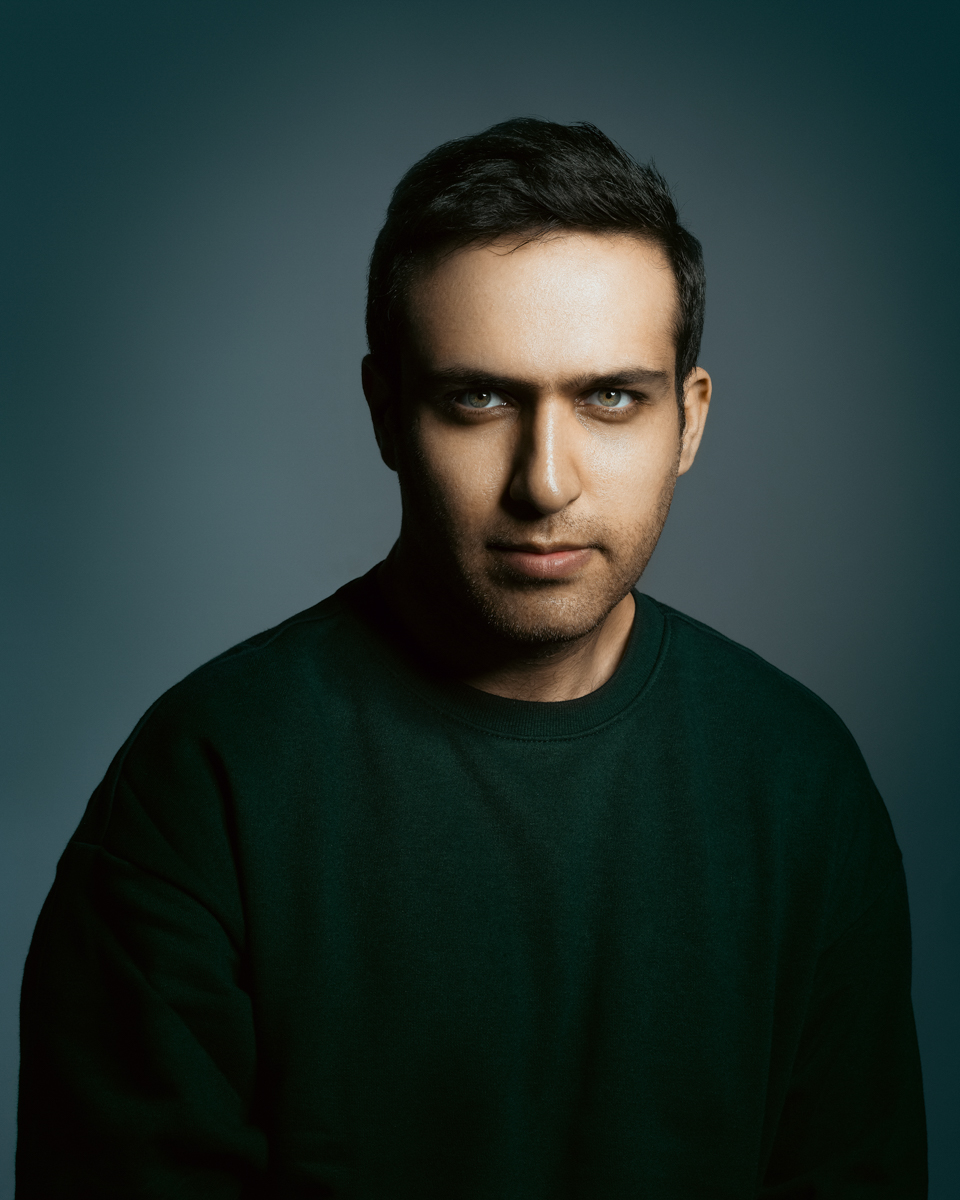
Nima Moradpour
Photographer
My journey began in my teenage years in Iran when I became fascinated by how light could hold emotion. I started experimenting with a small camera and soon realised photography was not only about recording what I saw, but about translating what I felt. Over…
NIPA Featured Artist
About the Artist
A conversation with Nima Moradpour.
My journey began in my teenage years in Iran when I became fascinated by how light could hold emotion. I started experimenting with a small camera and soon realised photography was not only about recording what I saw, but about translating what I felt. Over…
The Interview
This NIPA feature brings together the artist’s reflections, selected works, and visual material in a long-form interview format.
began?
My journey began in my teenage years in Iran when I became fascinated by how light could hold emotion. I started experimenting with a small camera and soon realised photography was not only about recording what I saw, but about translating what I felt. Over time, that curiosity grew into an obsession with light itself, how it shapes form and reveals hidden emotion. After years working in commercial and editorial photography, I studied MA Commercial Photography at the University of the Arts London. That period gave me space to rediscover photography as a language for reflection, a way to explore identity, culture, and the subtle relationship between presence and absence.
What truly moves and inspires you as an artist?
Light has always been my deepest source of inspiration. It is both my subject and my storyteller. I’m endlessly drawn to the way it transforms surfaces and emotions, creating meaning without words. The works of Baroque painters such as Caravaggio and Rembrandt move me profoundly, not only for their technique but for how they understood human fragility. Beyond art history, I find inspiration in the dialogue between cultures, how heritage evolves and adapts. My creative drive comes from standing in that space between worlds, where tradition and transformation meet. 3. How would you describe your photographic style, and how has it evolved
over time?
My work has always been grounded in lighting and storytelling. Earlier in my career, I focused on precision and control, a habit shaped by commercial photography. But over the years, I began to search for atmosphere rather than perfection. In Illuminated Dualities, I found a balance between calculation and intuition. Every composition is carefully designed, yet I let the light behave with freedom, almost as if it were alive. That tension between discipline and spontaneity defines my current visual voice.
Who or what has had the biggest influence on your artistic vision?
The Baroque masters have had a lasting influence on how I see. Caravaggio, Rembrandt, and Reynolds taught me that light is not only illumination but emotion. Their use of contrast and stillness resonates deeply with me. At the same time, Iranian artists such as Shirin Neshat and Parviz Tanavoli shaped how I think about identity and symbolism. My visual language sits at the meeting point of these influences, where European chiaroscuro meets Persian poetry.
What is your relationship with your camera and equipment?
My camera is an extension of how I feel. It’s not simply a tool but a bridge between thought and light. I treat lighting the way painters treat pigments, carefully shaping it until it speaks the right tone. Whether I’m in a studio or an improvised space, I pay close attention to how light breathes. The camera captures what is visible, but light reveals what cannot be seen.
What’s the story behind your winning photograph?
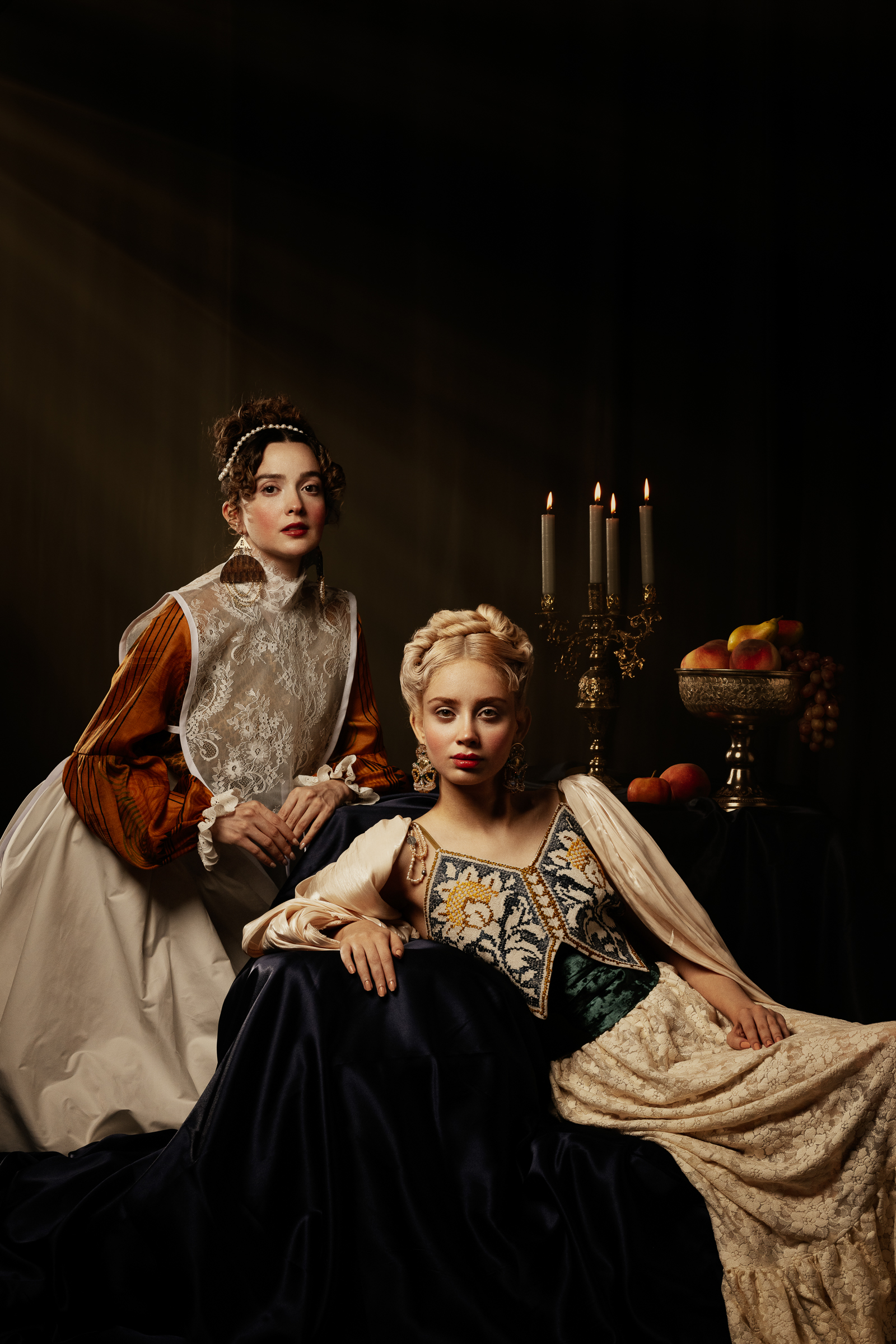
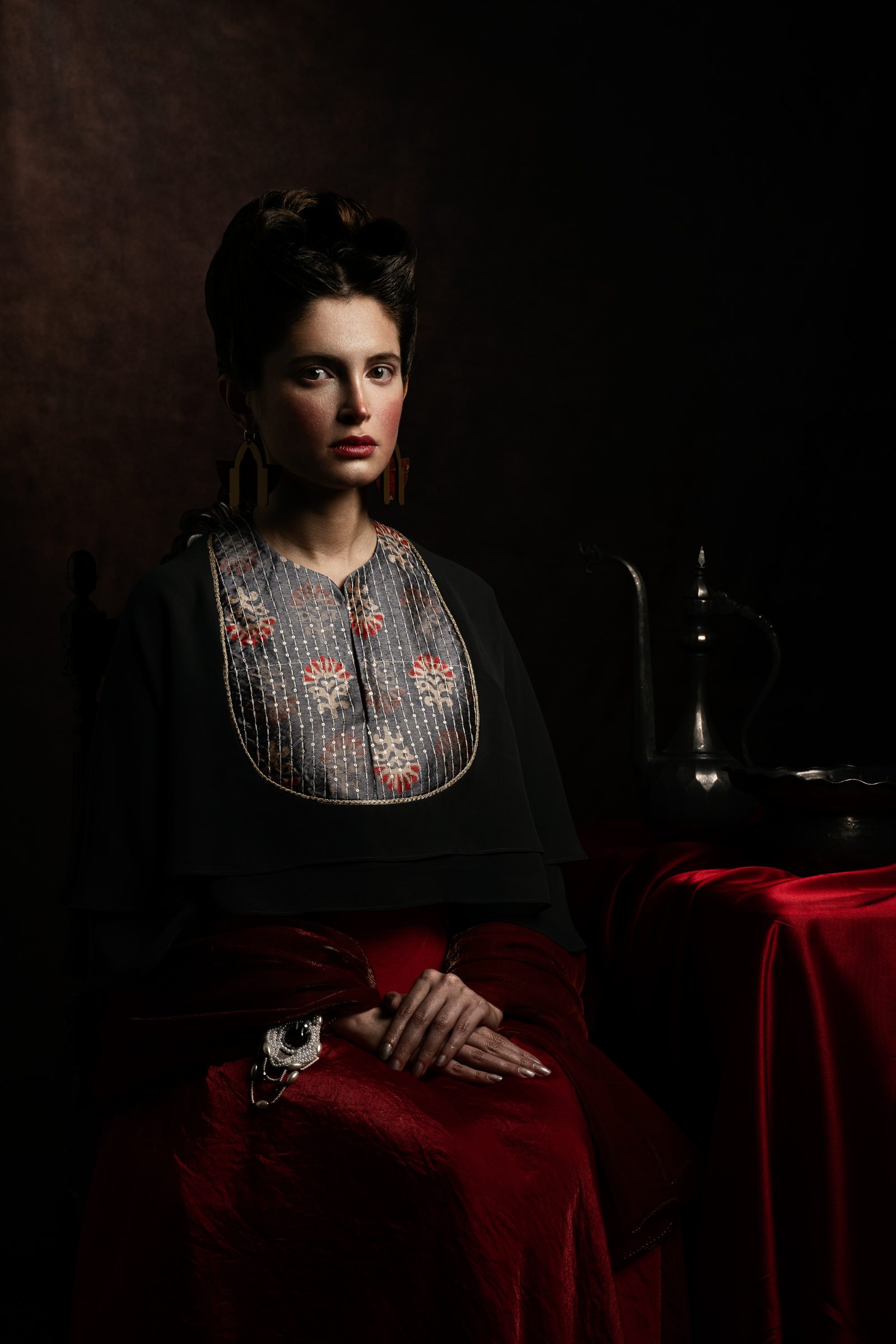
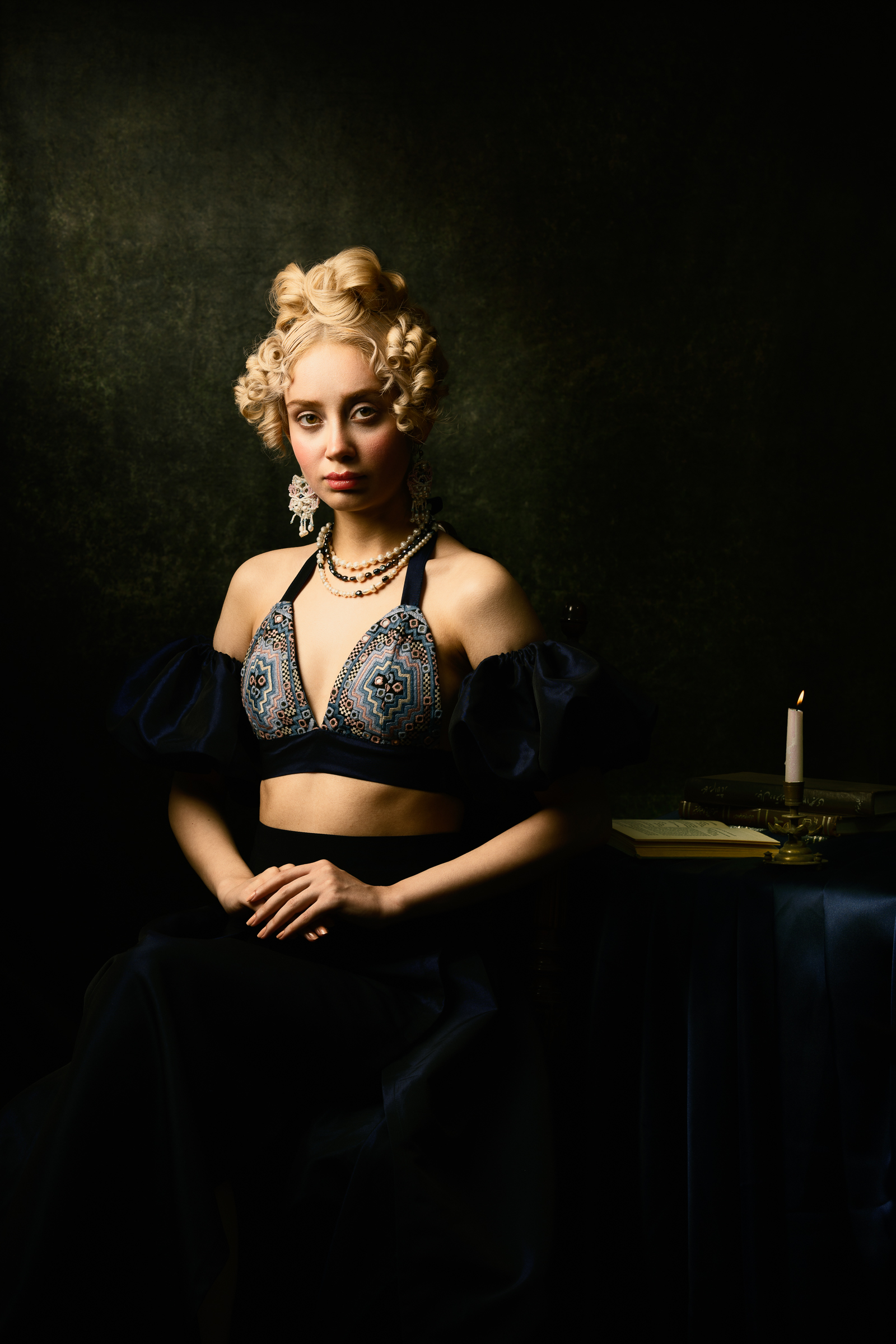
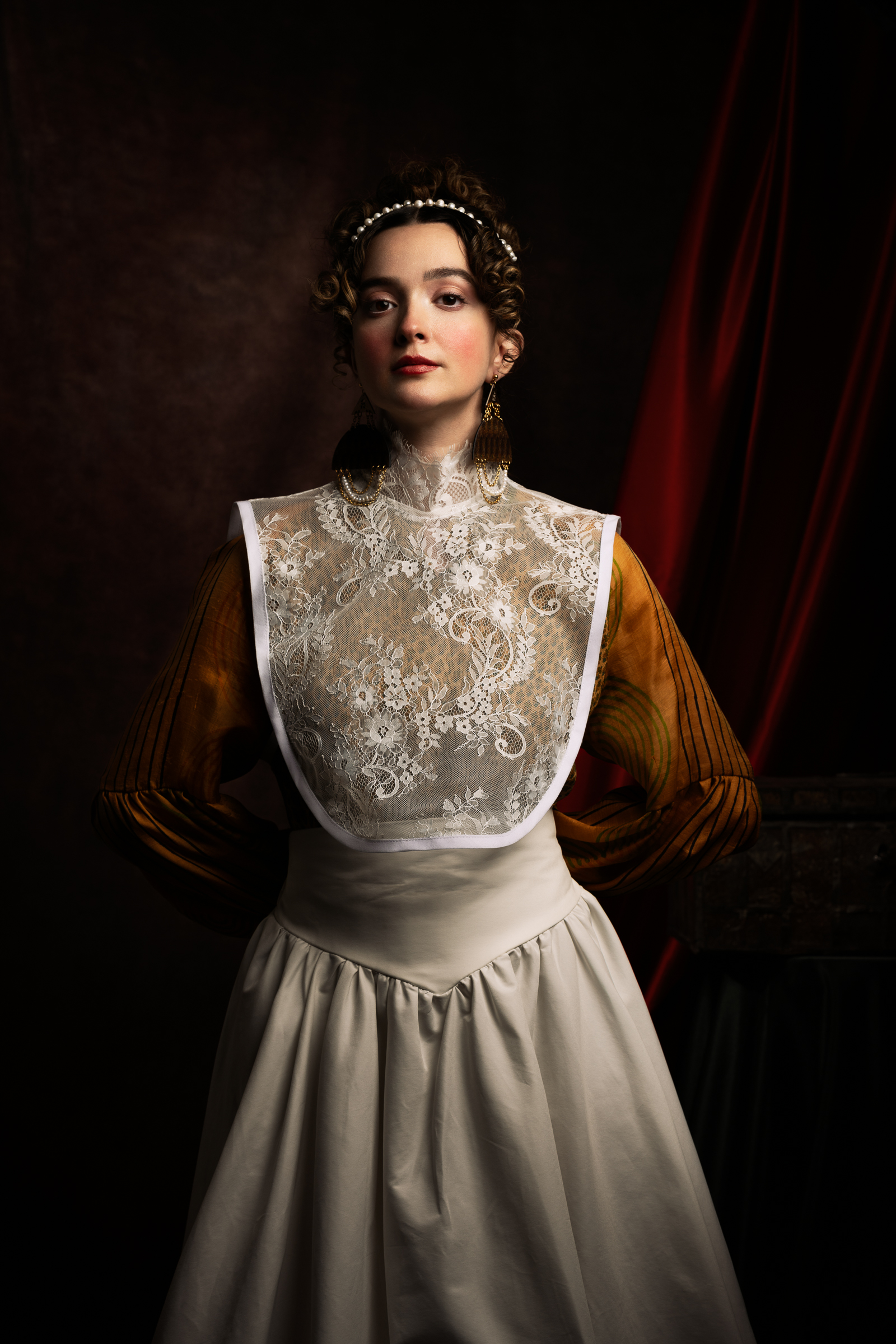
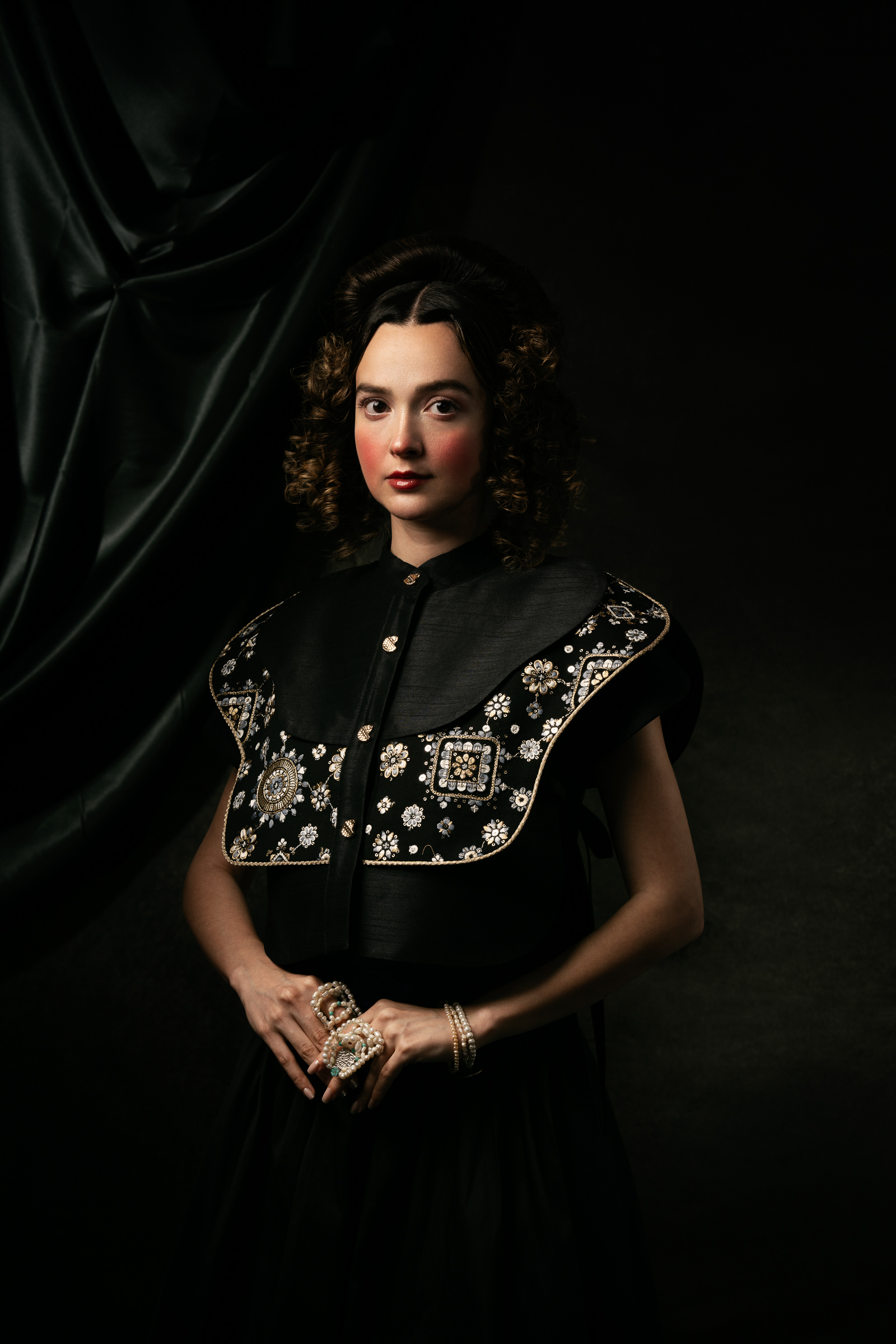
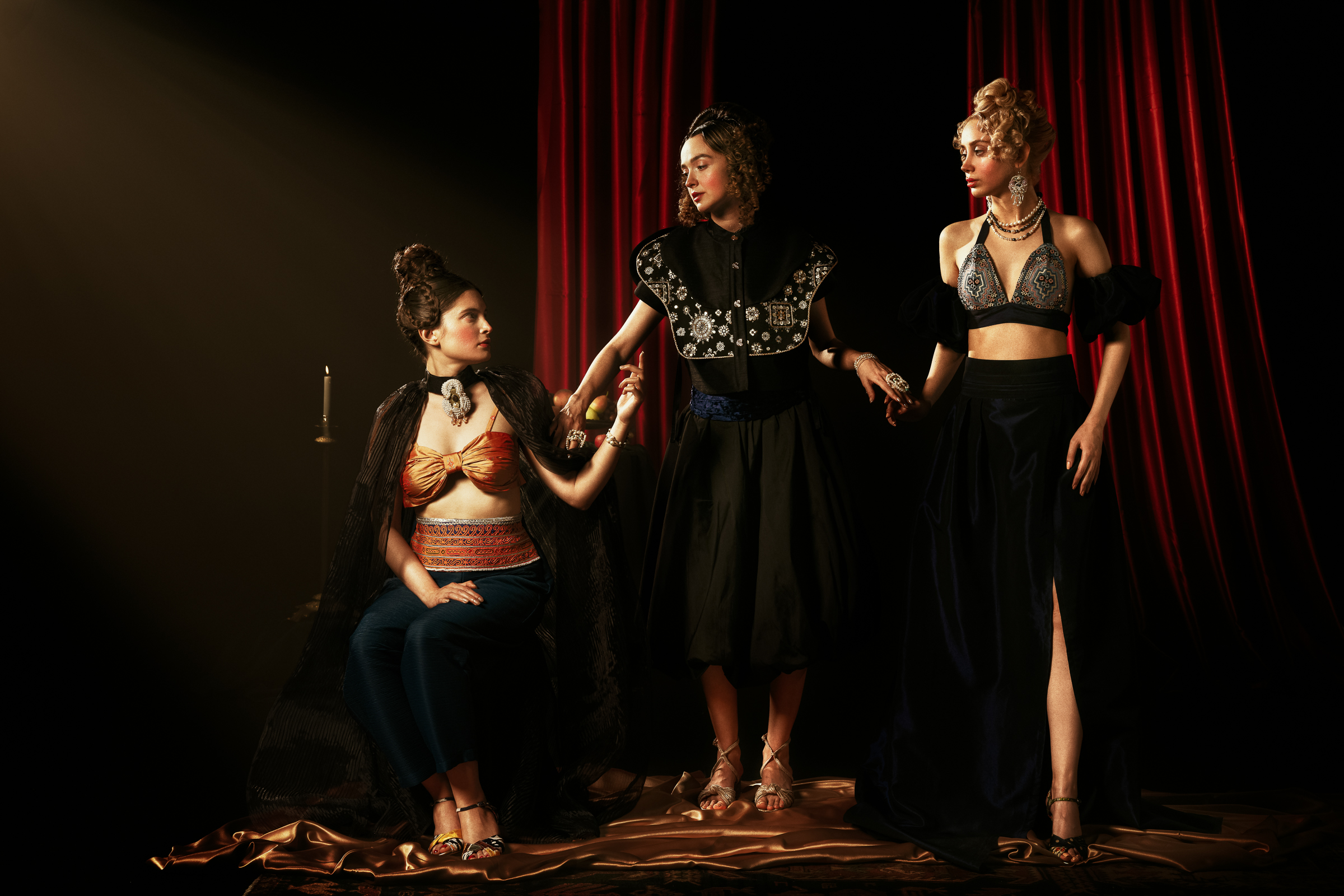
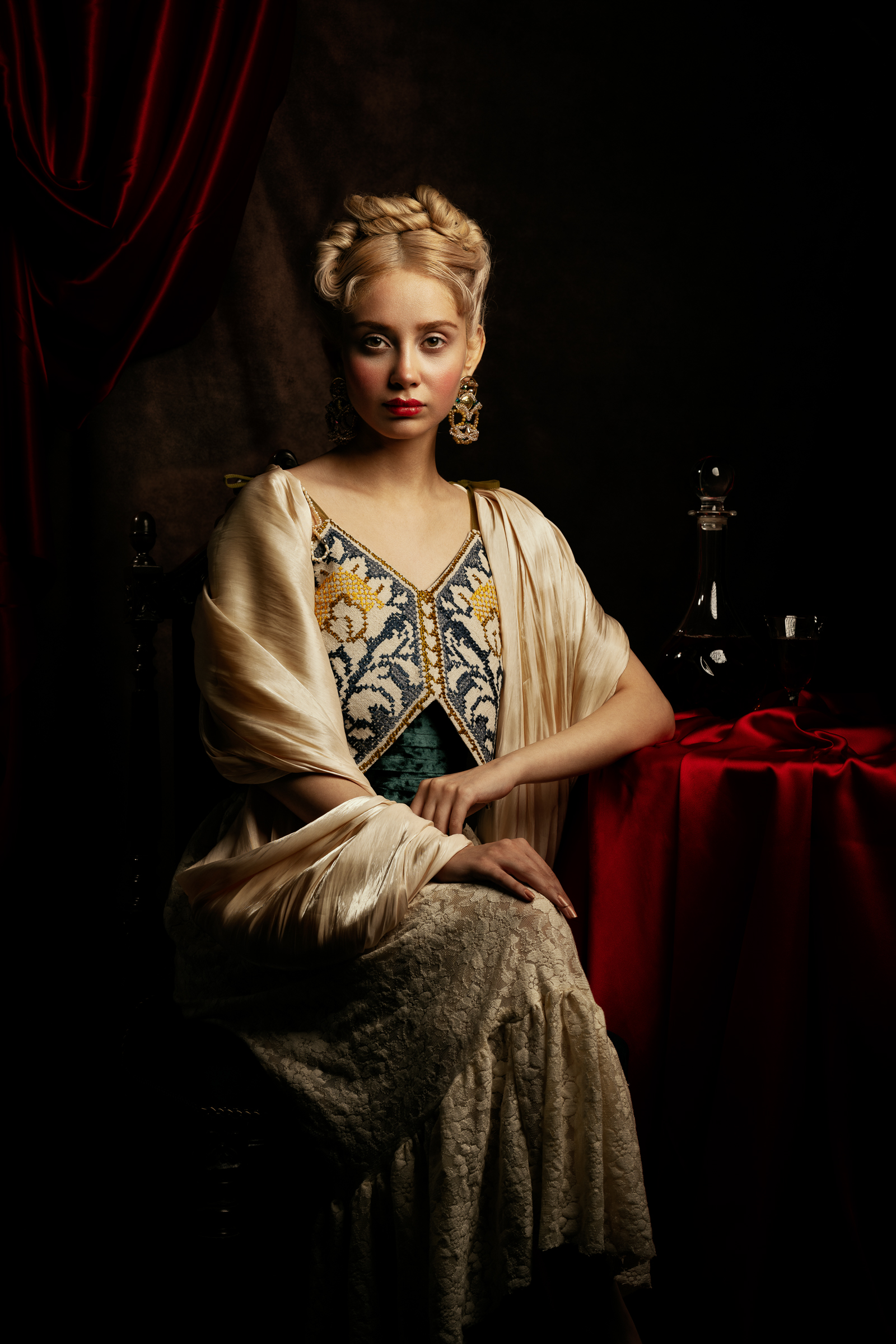
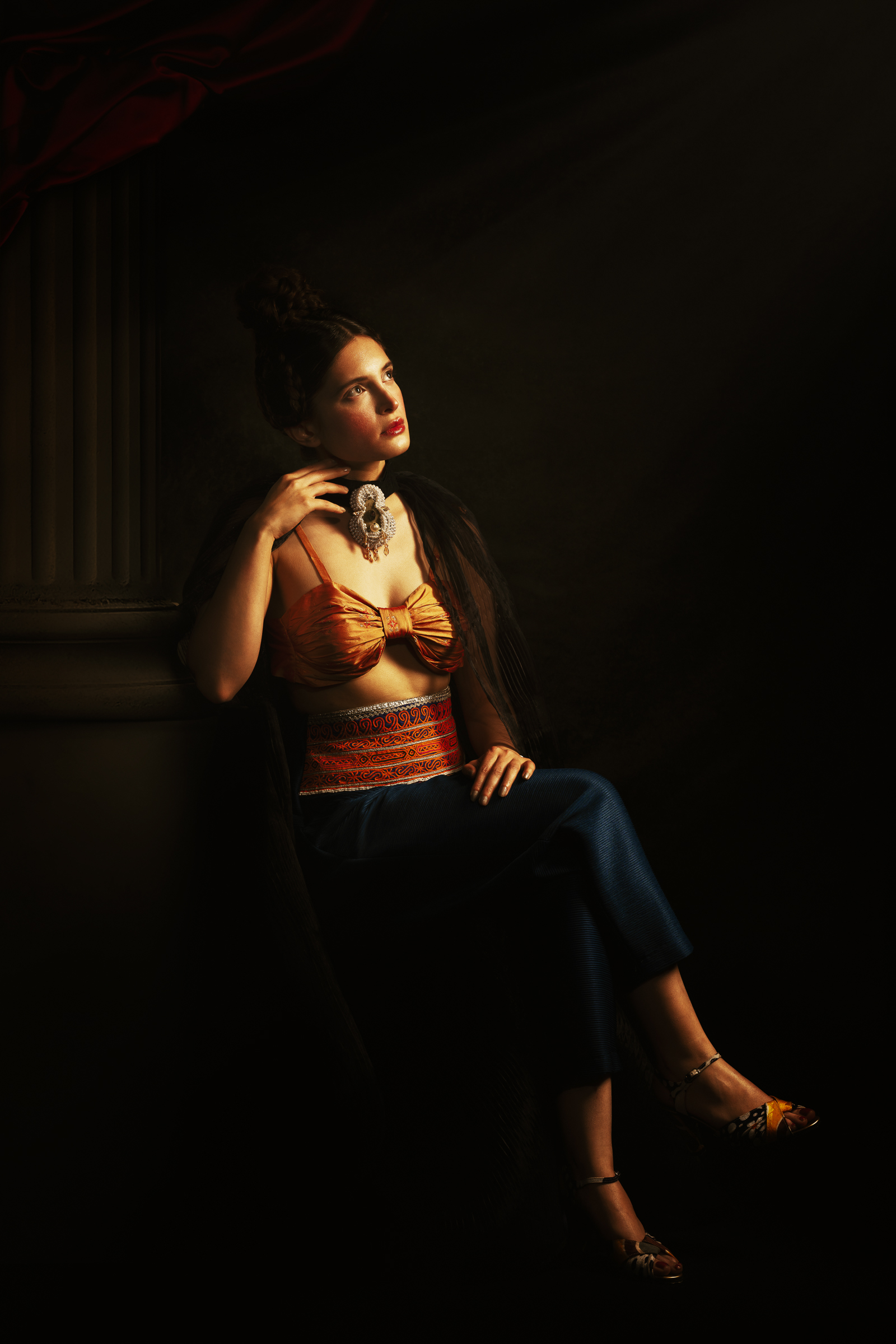
The winning image is part of my series Illuminated Dualities, which reimagines Baroque portraiture through the lens of contemporary Iranian culture. The work began as a personal reflection on identity and belonging. Each subject wears garments created by Iranian designers using fabrics and patterns rooted in our traditions. These elements became metaphors for memory, migration, and transformation. The photograph is, in many ways, a self-portrait in disguise. It reflects my journey from Tehran to London, and the light that connects both places within me.
What was the most important decision you made when creating this image?
The key decision was to let light tell the story. I avoided heavy symbolism and instead used illumination as the main emotional language. The direction, softness, and decay of light across the face and fabric shaped the narrative more than any prop could. Everything was built around stillness and presence — a quiet tension that allows the gaze to speak louder than words.
How did you use light, composition, or emotion to bring your vision to life?
I worked with a single directional light source, sculpting the scene through contrast and tone. The composition drew from classical portraiture, with a focus on the relationship between gaze and space. Emotion came from restraint. By leaving much of the frame in shadow, I wanted viewers to feel what remains unspoken. The interplay between illumination and obscurity became a metaphor for identity itself — visible, yet always in motion.
What do you hope people feel or think when they see this photo?
I hope they experience stillness. I want them to feel the quiet conversation between light and darkness, between presence and memory. I hope they sense both familiarity and distance, as if they are meeting someone they already know but have never seen. If the image encourages reflection on the beauty of difference or the shared fragility within all of us, then it has done its job.
What does photography mean to you on a personal level?
Photography is my way of understanding myself. It has been a companion through solitude, migration, and change. Each project becomes a dialogue between who I am and where I come from. It allows me to turn emotion into form, to make the invisible visible. For me, photography is not only a profession but a meditation on time and belonging.
What message or idea do you want your work to communicate to the world?
My work speaks about the harmony within opposites — light and darkness, East and West, tradition and modernity. I want to show that these elements are not divided but connected. Identity is fluid; it changes shape like light. Through my images, I hope to celebrate cultural diversity and question the limits of how we define beauty. Art, for me, is a bridge rather than a boundary.
What was your first reaction when you found out you won a NIPA award?
I felt deeply grateful. Recognition of this kind reminds me that art can cross borders and reach people far beyond where it was created. When I heard the news, I thought of the long nights in the studio in Tehran, and later in London, and of everyone who helped shape this vision. It felt like the light I had been chasing for years had finally found me.
What are your upcoming projects or dreams for the future?
I’m currently developing a new project that explores movement — how light interacts with gesture, texture, and time. Alongside that, I’m working on creating an educational space dedicated to advanced lighting and retouching, where I can share what I’ve learned and encourage photographers to treat light as a language of emotion. My long-term dream is to build a studio where art and education coexist. 14. What are your thoughts on NIPA, and is there any suggestion or idea you’d
like to share to help us make it even better in the future?
I truly admire how NIPA celebrates artistry from every corner of the world. It’s rare to find a platform that honours both technical excellence and emotional depth. I was especially moved to see so many powerful works from Iran this year. It filled me with pride and reminded me of the creative strength that exists within our culture. My only suggestion would be to expand NIPA’s educational side, perhaps through artist talks or online sessions that let photographers share their process. It would continue the dialogue that this award so beautifully begins.
“
Photography is my way of understanding myself. It has been a companion through solitude, migration, and change. Each…
Images from the Photographer

Sorry, the comment form is closed at this time.