

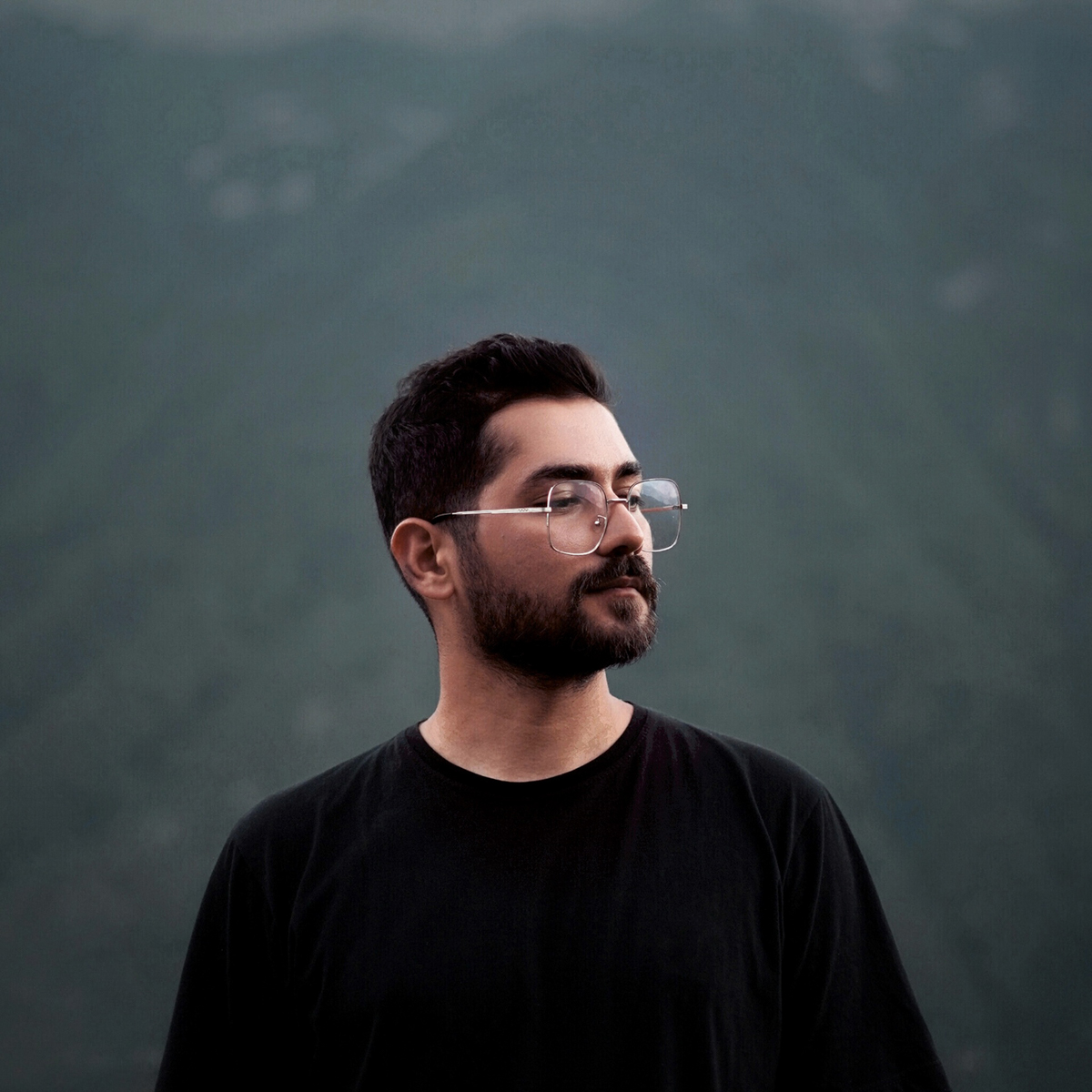
31 May Interview: Mohammad Yousefi-Manesh
MohammadYousefi-Manesh
Fine Art Photographer, Iran
A quiet conversation on nature, poetry, solitude, and the fragile hope carried inside Mohammad’s minimal fine-art photography.
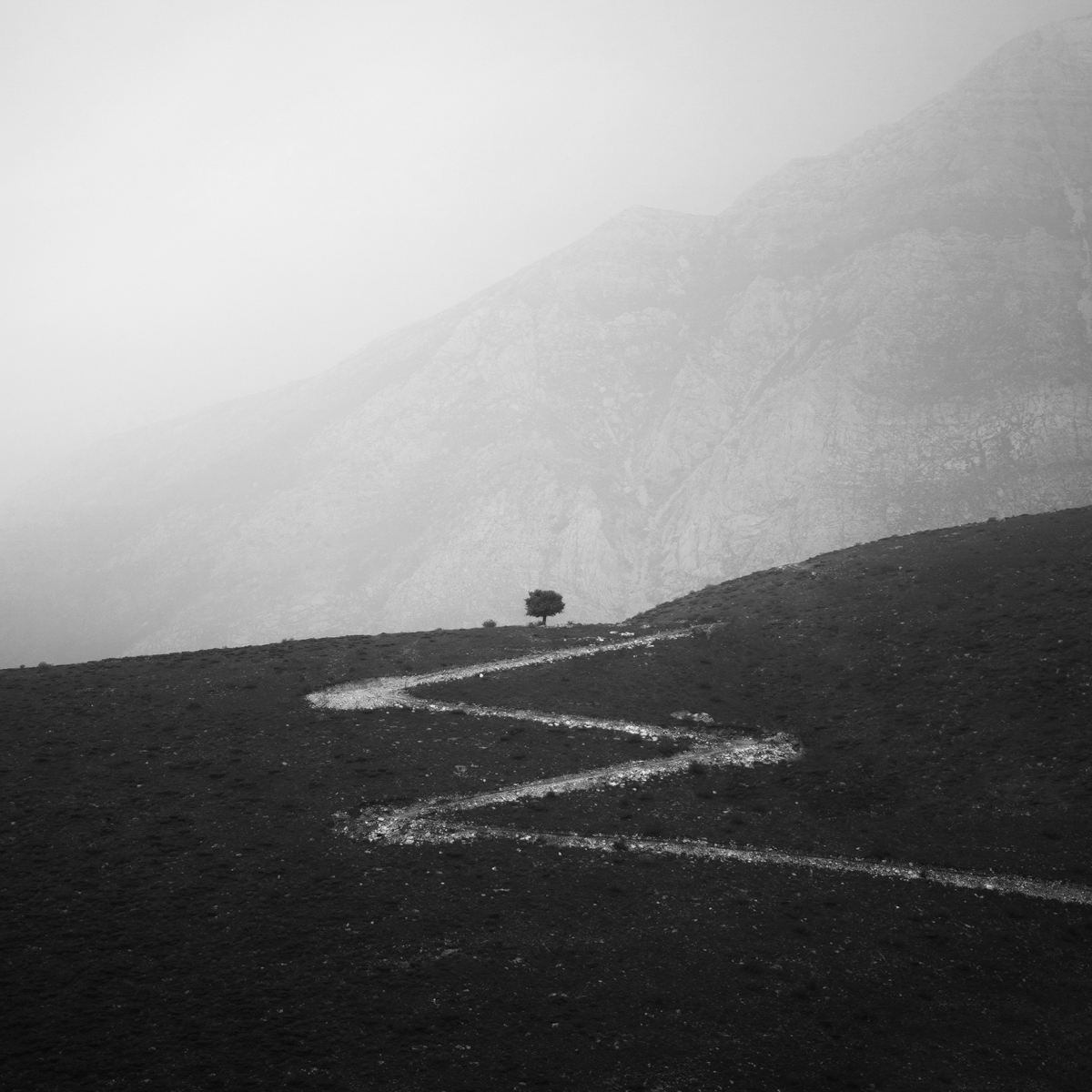
Photography means looking more deeply.
Stillness, poetry, and the solitary subject.
Mohammad Yousefi-Manesh is a photographer from Nowshahr, Iran. His minimal, conceptual fine-art practice is shaped by nature, silence, modern poetry, and overlooked moments that ask us to see more deeply. His images often begin with a single subject, then open into a meditation on memory, loss, and hope.
The Interview
In this NIPA conversation, Mohammad reflects on the quiet foundations of his photography: solitude, symbolic simplicity, poetry, and the delicate relationship between loss and hope.
Can you tell us a little about yourself and how your journey into photography began?
I am Mohammad Yousefi-Manesh, a photographer from Nowshahr, Iran. I was born in 1993, and my photography journey began in 2014, when I was studying architecture. During that period, my interest in photography took shape and gradually became a serious part of my life.
What truly moves and inspires you as an artist?
Nature, silence, and the moments that are often overlooked in the noise of everyday life are my main sources of inspiration. My interest in modern poetry, especially the works of Sohrab Sepehri, has also always played an important and significant role in shaping my perspective.
How would you describe your photographic style, and how has it evolved over time?
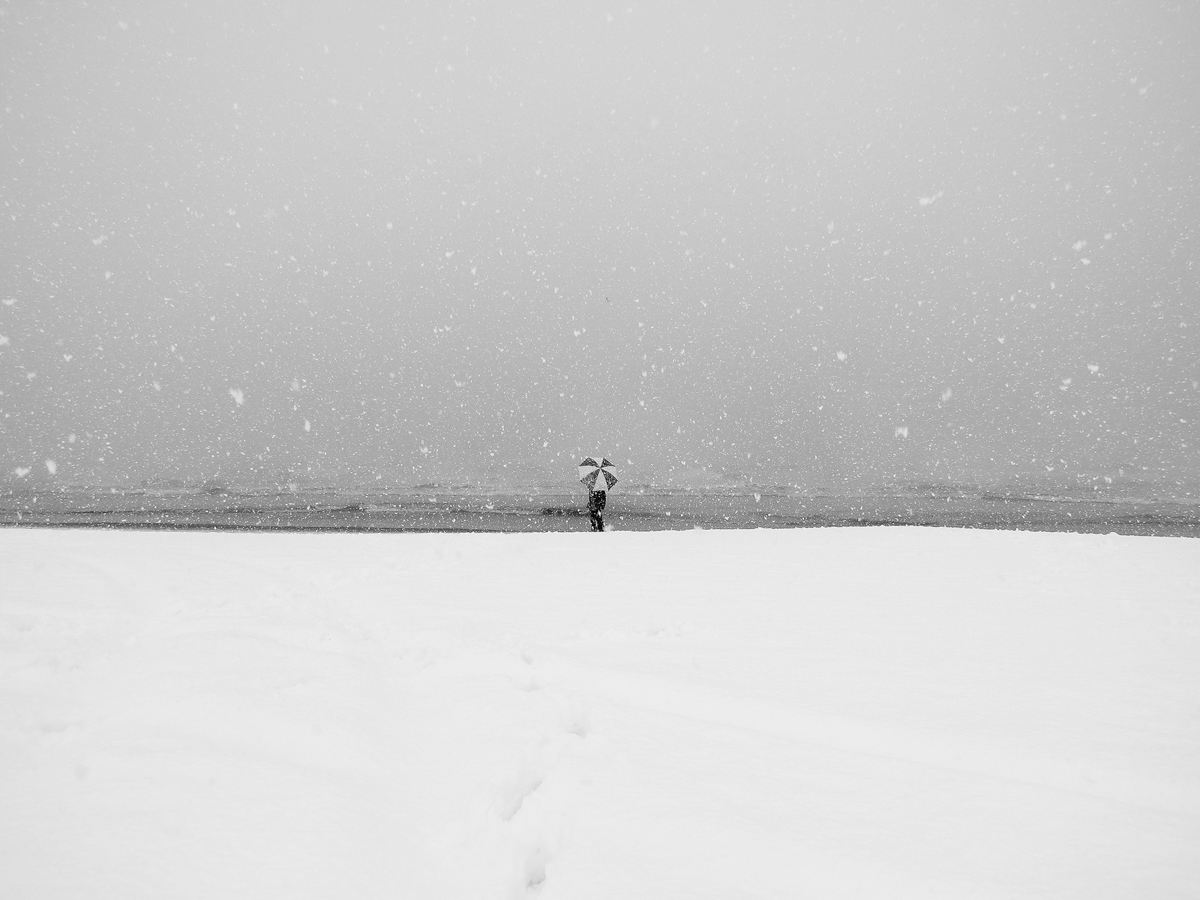
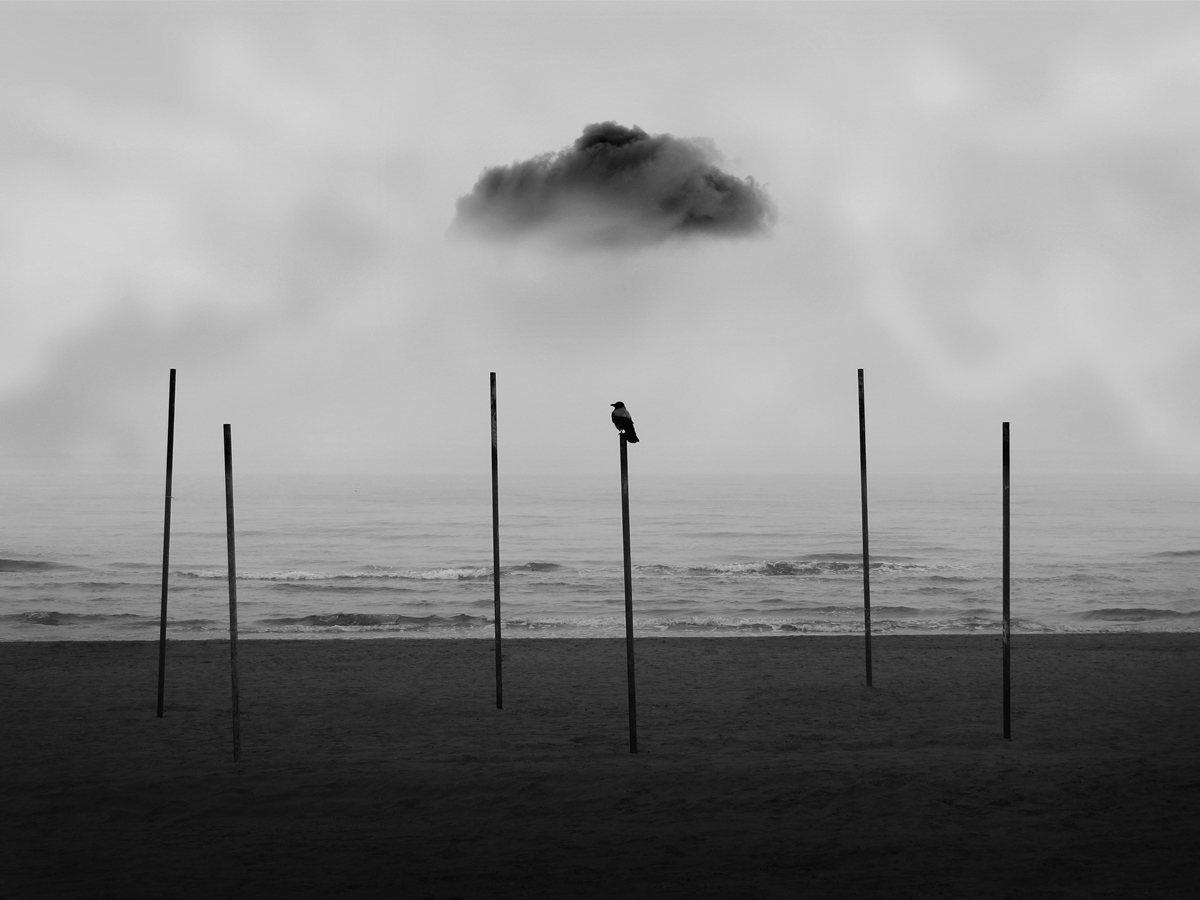
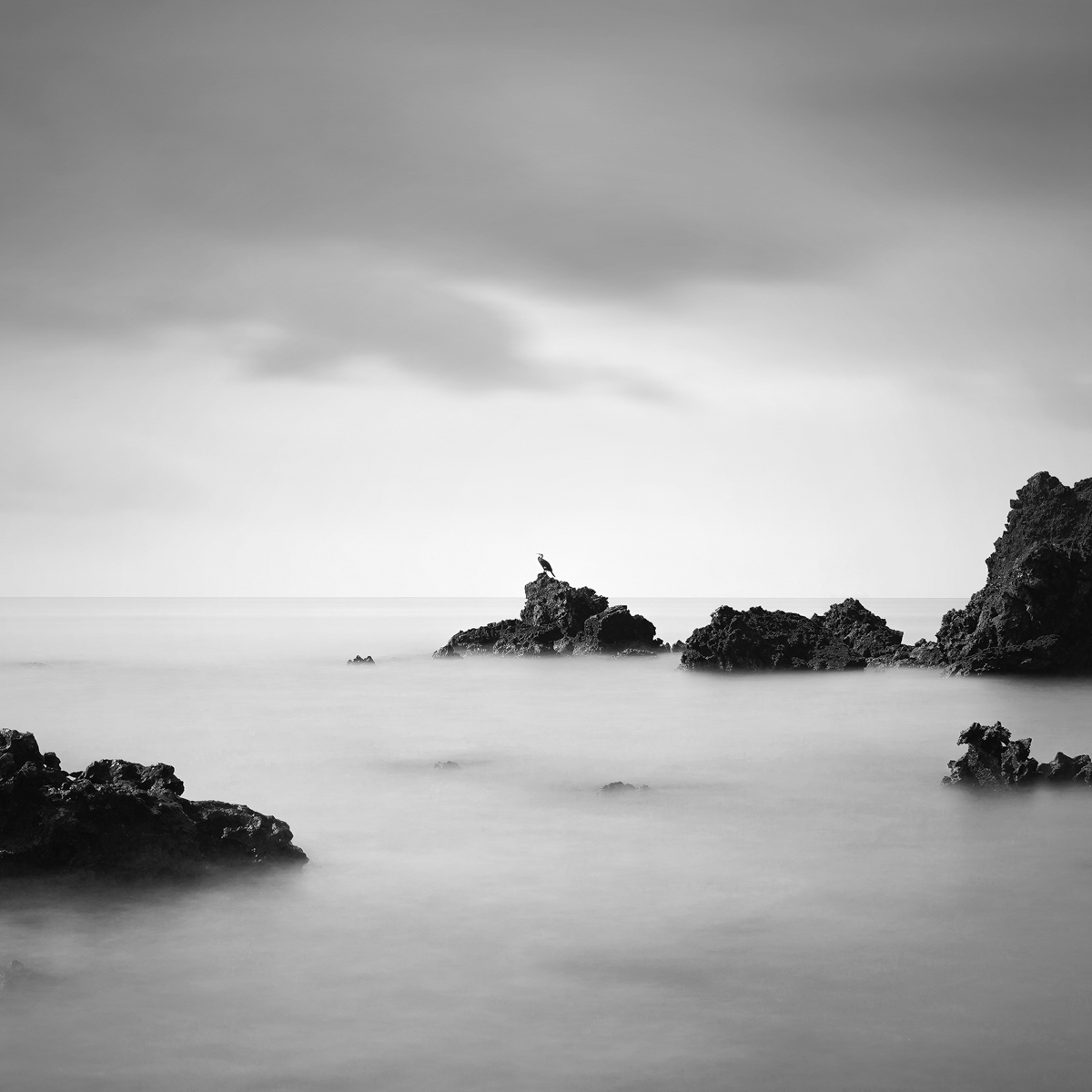
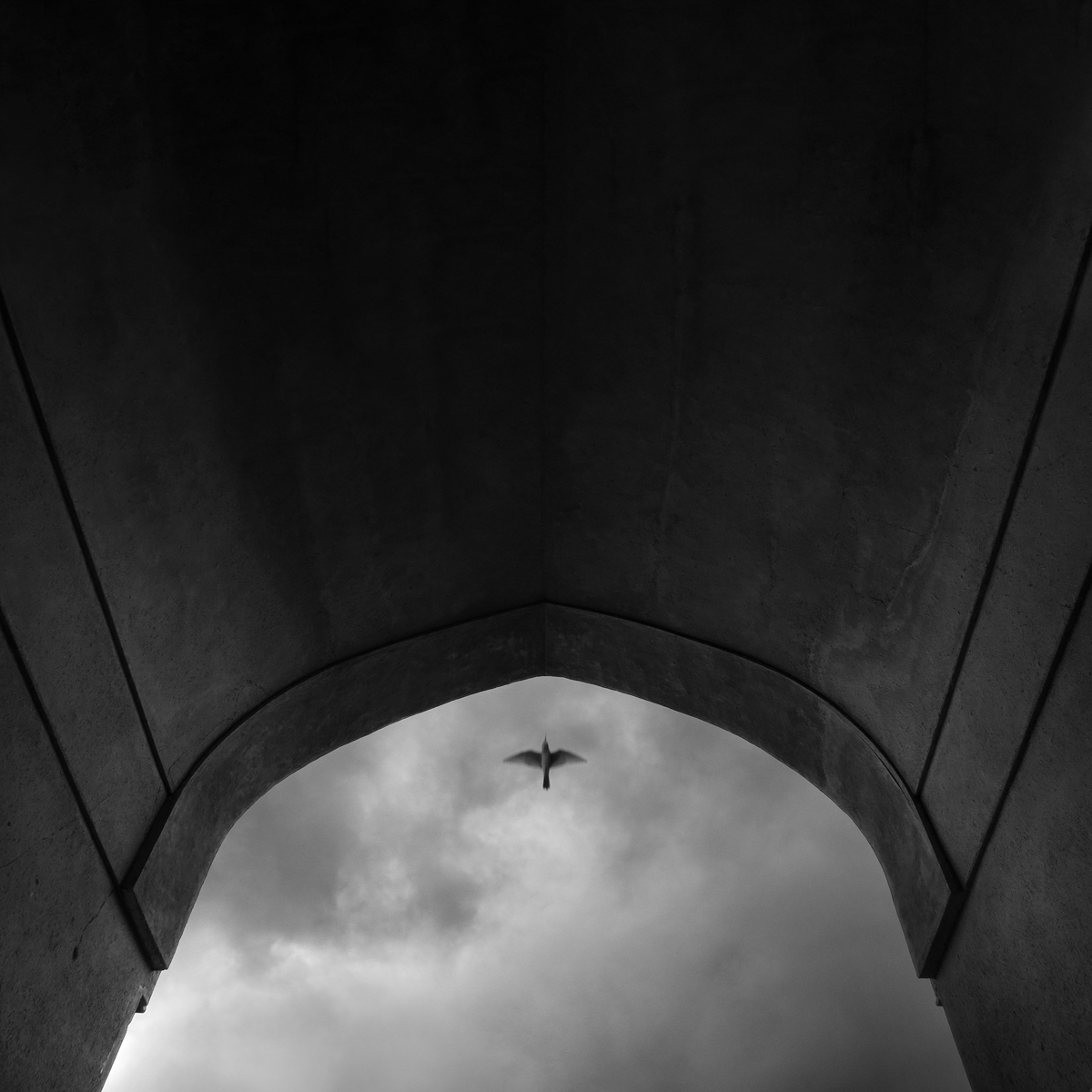
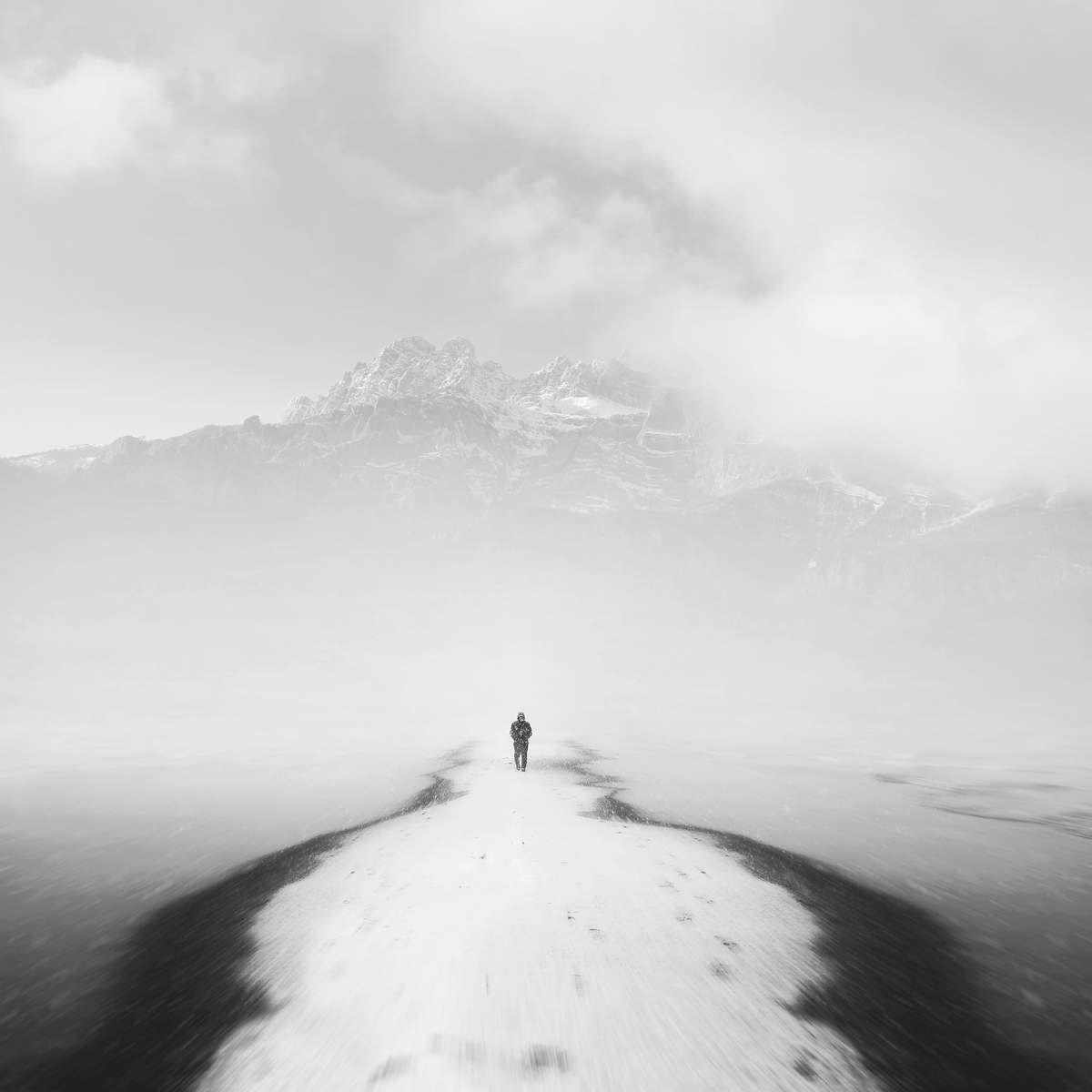
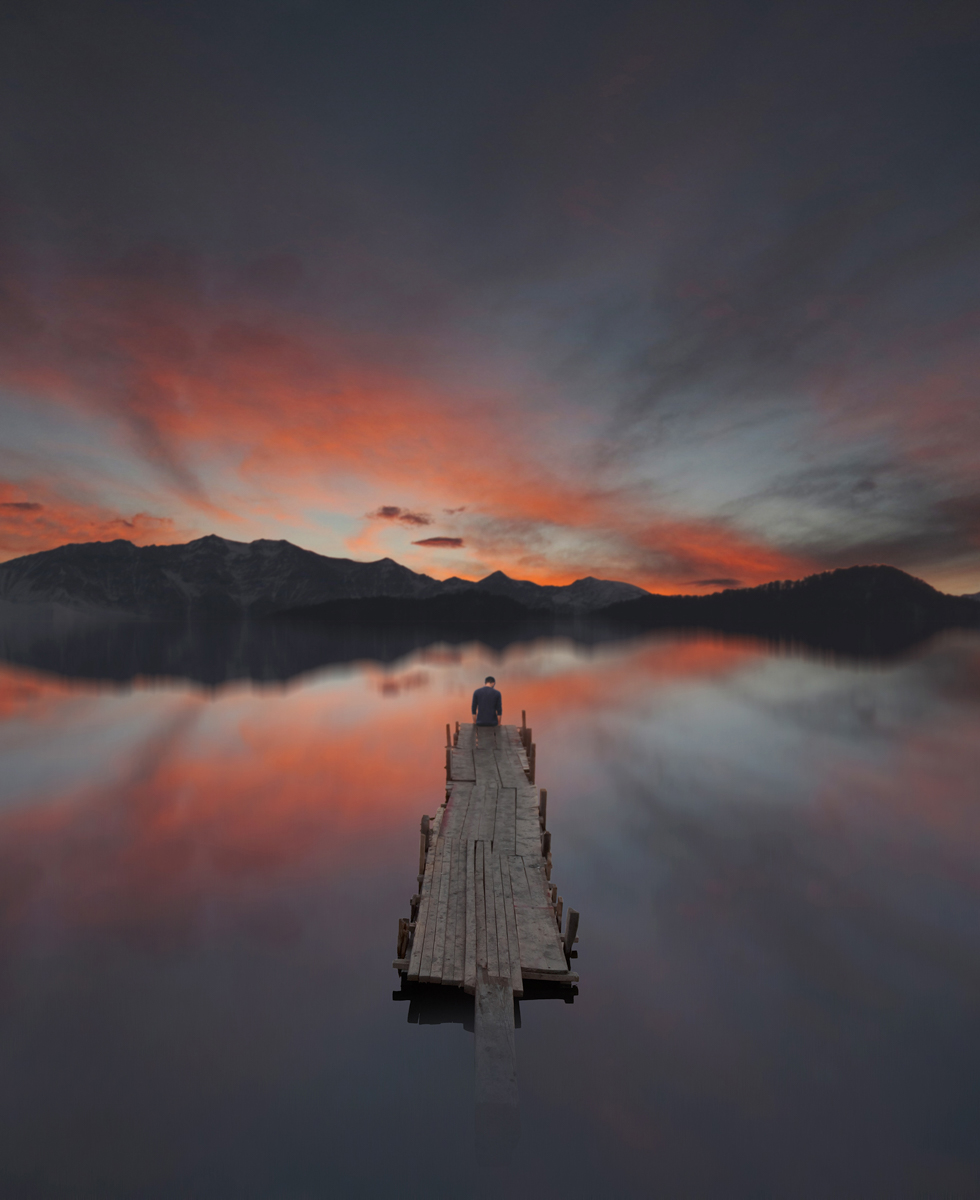
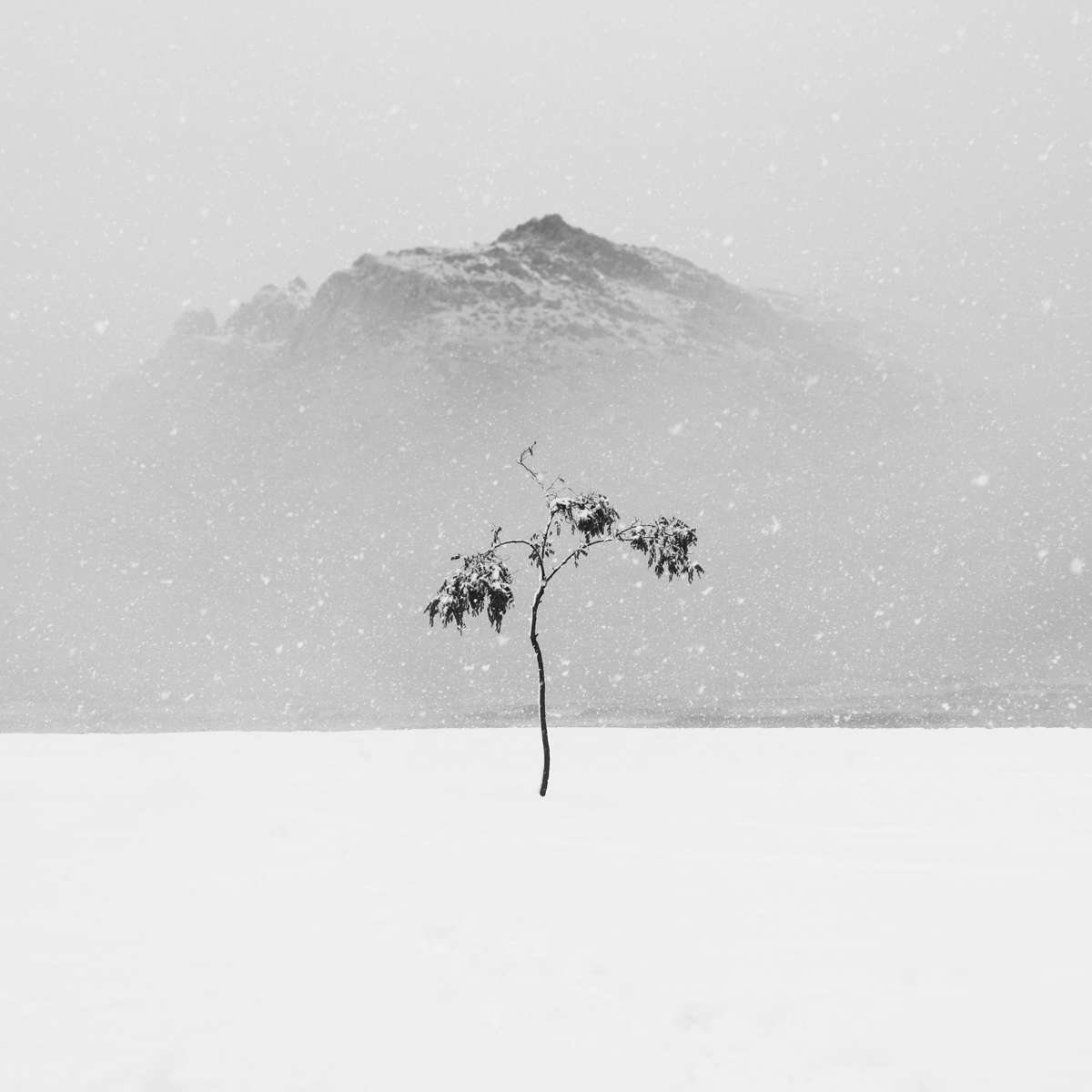
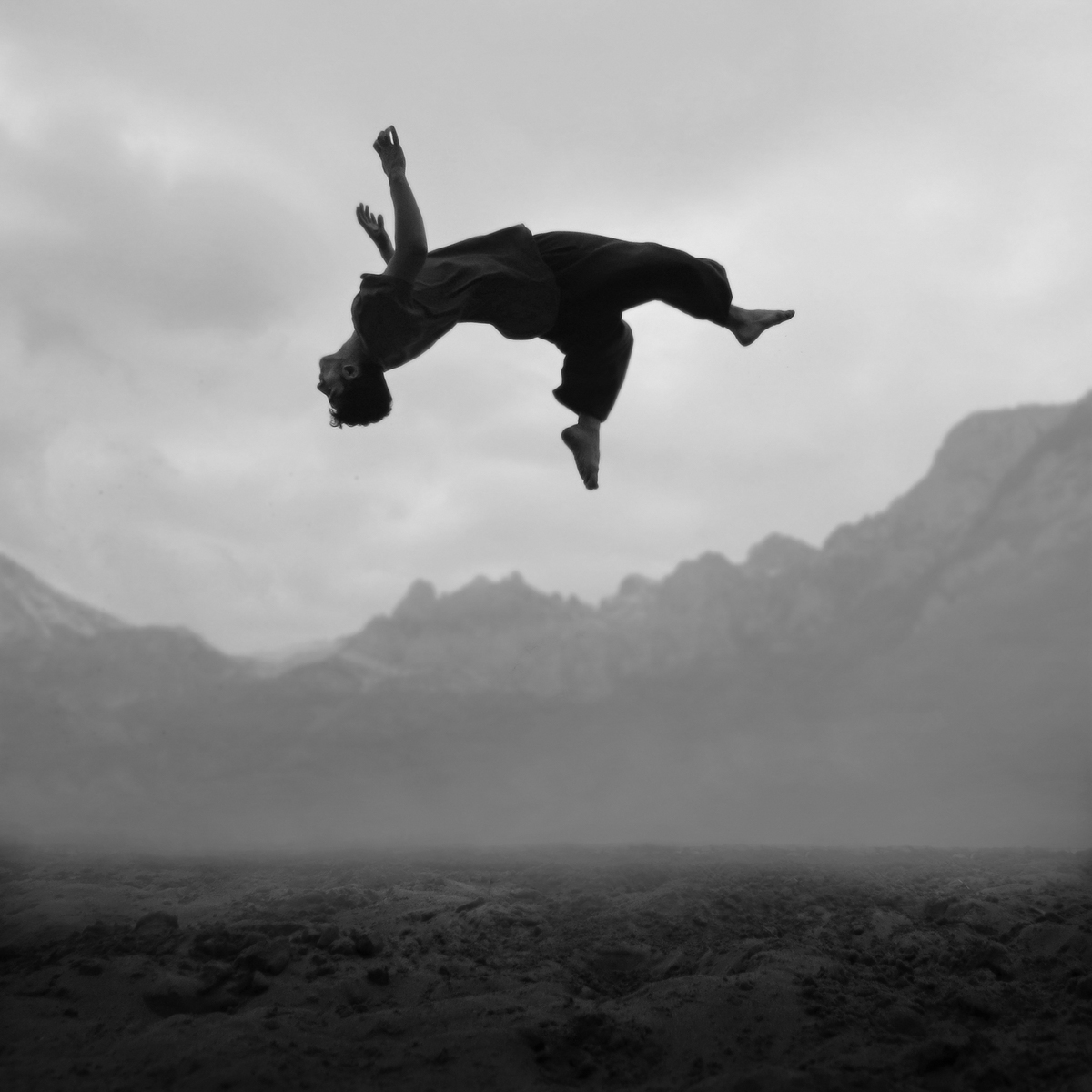
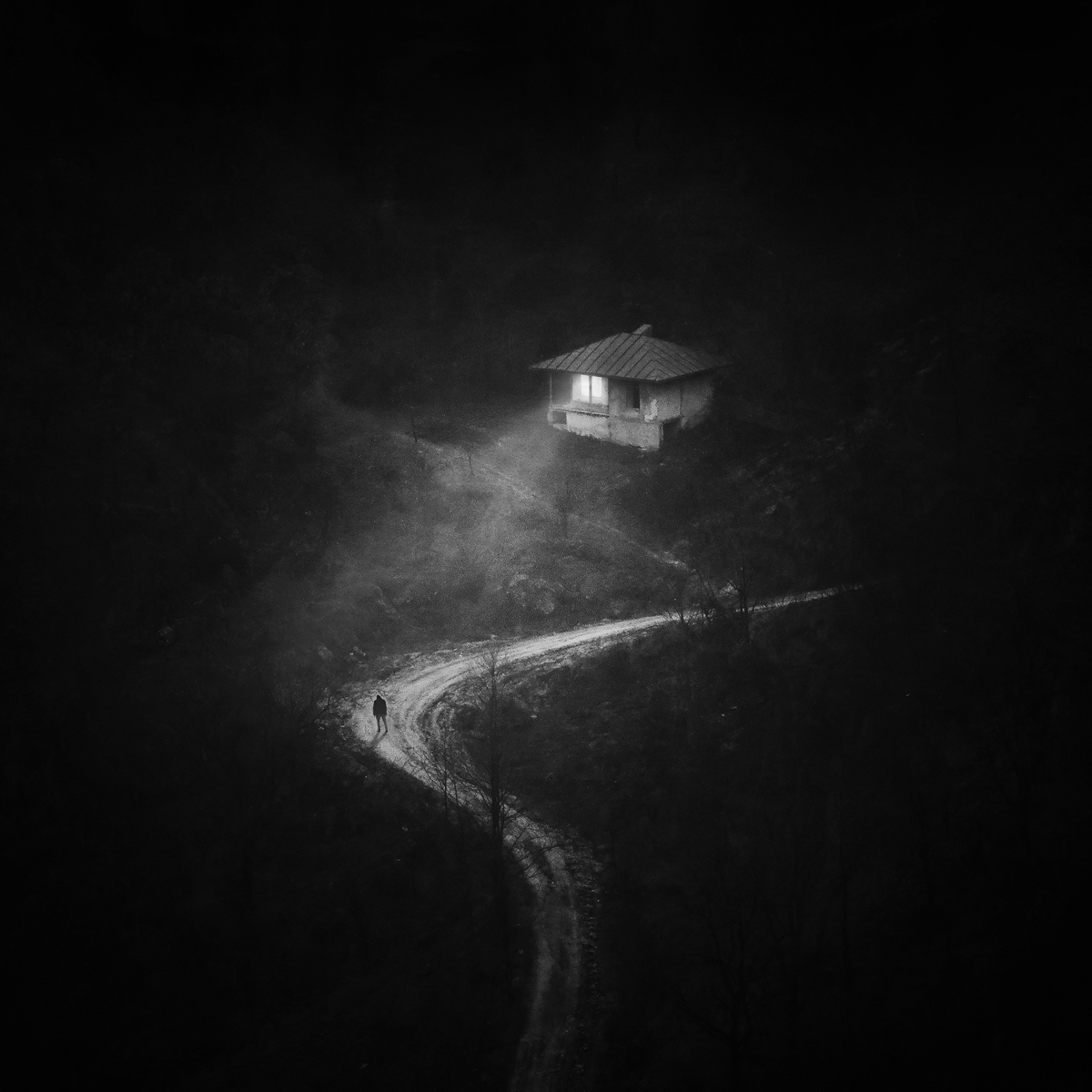
Most of my works are minimalistic, conceptual, and in the fine-art style, often featuring minimal compositions and a single, solitary subject. Over time, by experimenting with different styles and feeling the need to convey more than just a visual record, to express my personal emotion and perspective, I grew more connected to this style.
Who or what has had the biggest influence on your artistic vision?
At the beginning of my journey, my cousin, Vahid Abbasi, who himself worked in fine-art photography, played a very important role. He influenced the way I see and, through his encouragement, helped me take photography more seriously. Alongside him, poetry as well as reflecting on concepts such as life and death, light and darkness, and solitude have shaped my artistic vision.
What is your relationship with your camera and equipment?
Equipment matters to me, but always comes after concept and meaning. With the simplest tools you can still create an image that is rooted in an idea and a way of seeing, and for me, that is the most important part of photography.
What is the story behind your winning photograph?
The idea for the photo began with an imagined scene: if we wanted to express gratitude to nature, which gives life selflessly, through music, what would that performance look like? The image is a reminder that nature is being harmed more each day, and we are losing something precious. I shared the idea with my friend Arian, a violinist, and he kindly agreed to be part of the photo. The shot of Arian, the tree trunk, the foggy atmosphere, the ground, and the green leaf were all photographed separately and later combined. I named the photo Elegy, for the tree that is gone, yet in its absence, a sign of life and hope still remains.
What was the most important decision you made when creating this image?
Keeping the composition simple and clear, so it could convey both a sense of loss and a sense of hope. Choosing a small number of symbolic elements to preserve this balance was the most important decision.
What do you hope people feel or think when they see this photo?
I want viewers to feel the sorrow of losing nature, and at the same time, sense a small hope, a reminder that it is not too late to change and that this is not the end.
What does photography mean to you on a personal level?
For me, photography means looking more deeply, at a landscape, at a tree, at a leaf. Photography gives us this deeper way of seeing, something we often lose in the routine of daily life.
What message or idea do you want your work to communicate to the world?
My works are an invitation to reflect on the deep emotions that emerge in moments of solitude.
I would like to thank NIPA for providing an opportunity where diverse works, with different perspectives and narratives, can come together and be seen through the shared language of photography.
10 Images from the Photographer

Sorry, the comment form is closed at this time.