

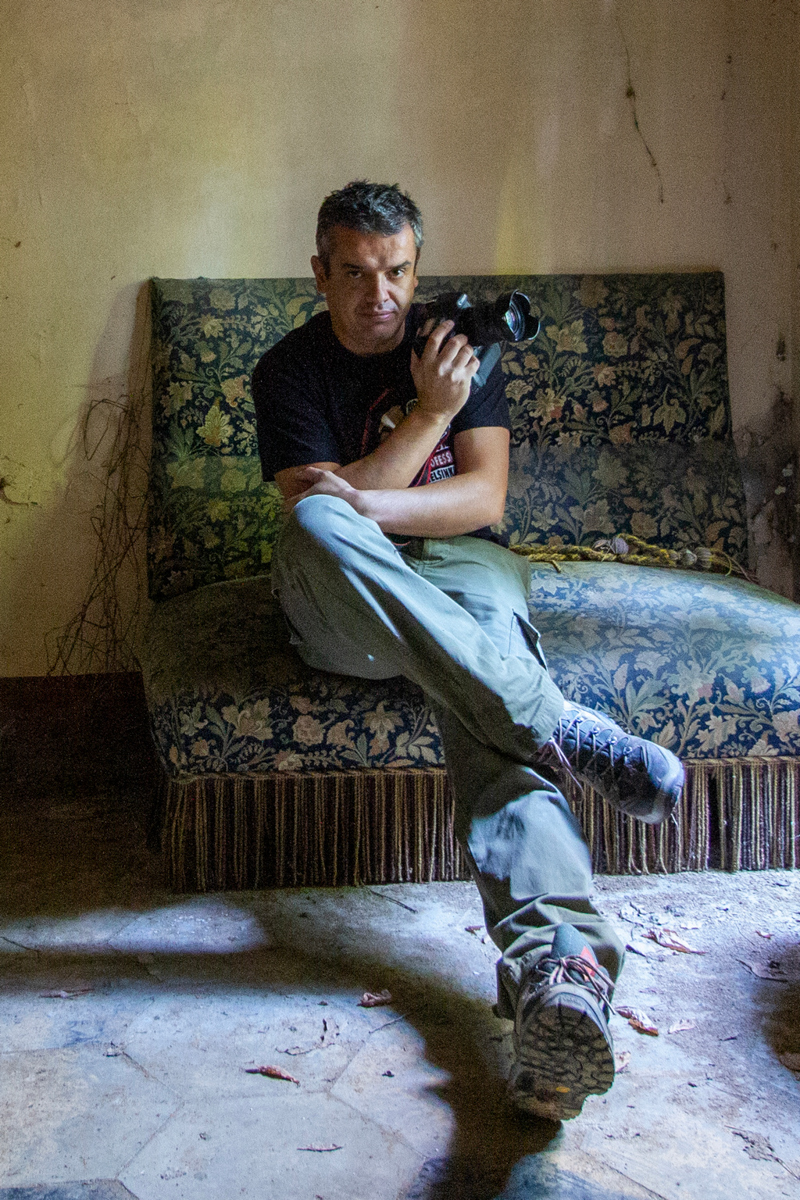
31 May Interview: Alessandro Accossato
AlessandroAccossato
Photographer
I approached photography many years ago, initially out of simple curiosity. Then it became a language—something that allowed me to give shape to emotions and stories I carried inside. I started by exploring abandoned places and architecture filled with…
NIPA Featured Artist
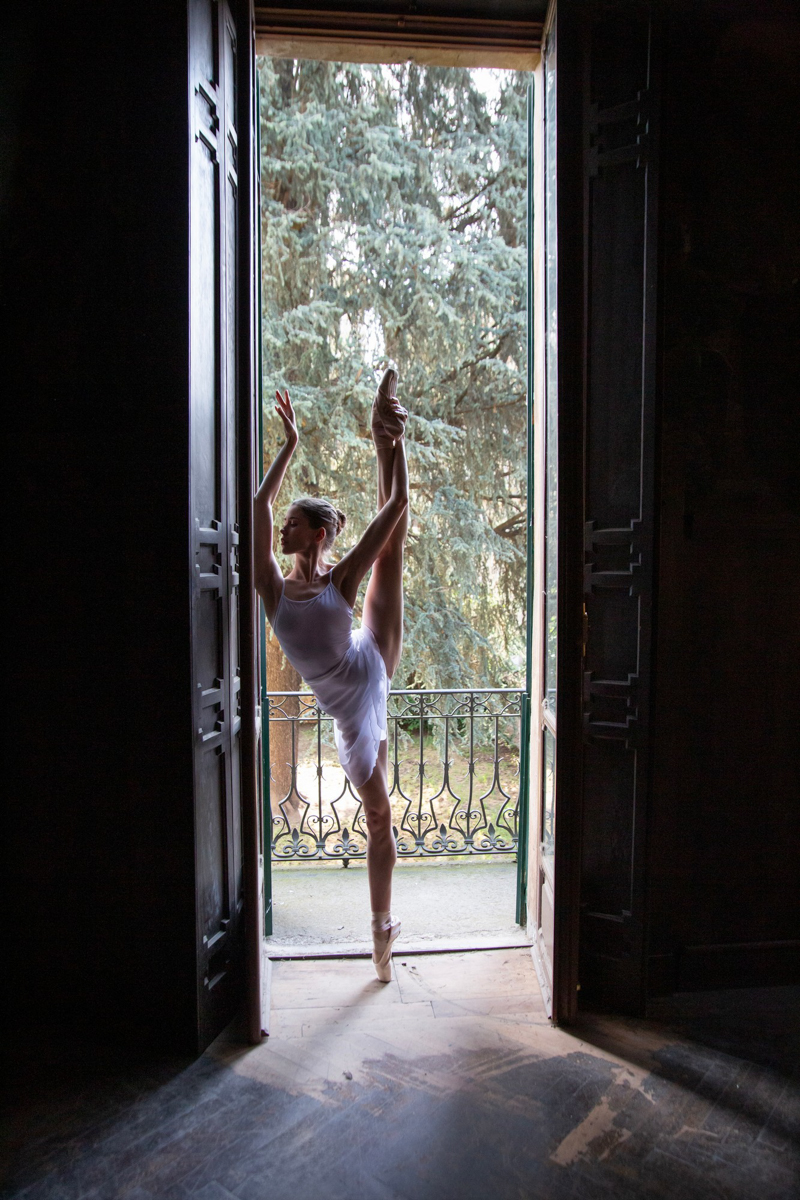
Photography is a way of breathing. It is the medium through which I transform emotions into something tangible. It…
A conversation with Alessandro Accossato.
I approached photography many years ago, initially out of simple curiosity. Then it became a language—something that allowed me to give shape to emotions and stories I carried inside. I started by exploring abandoned places and architecture filled with…
The Interview
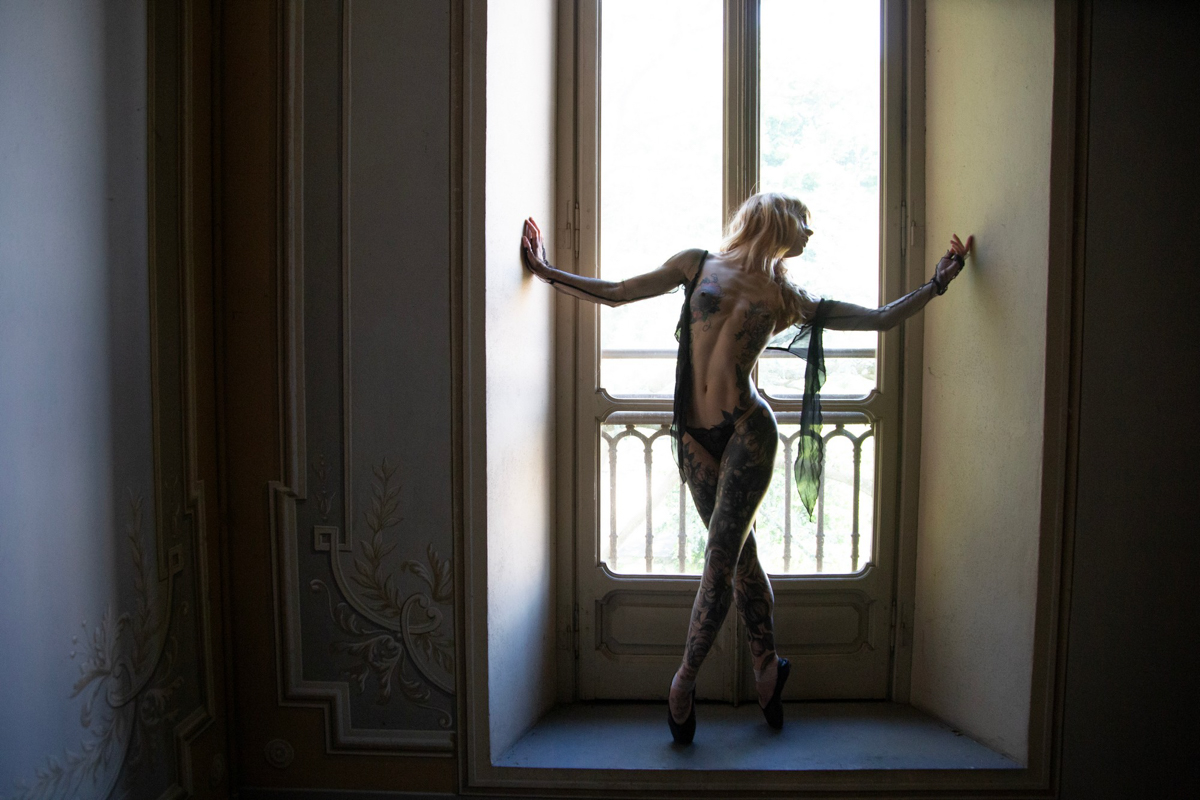
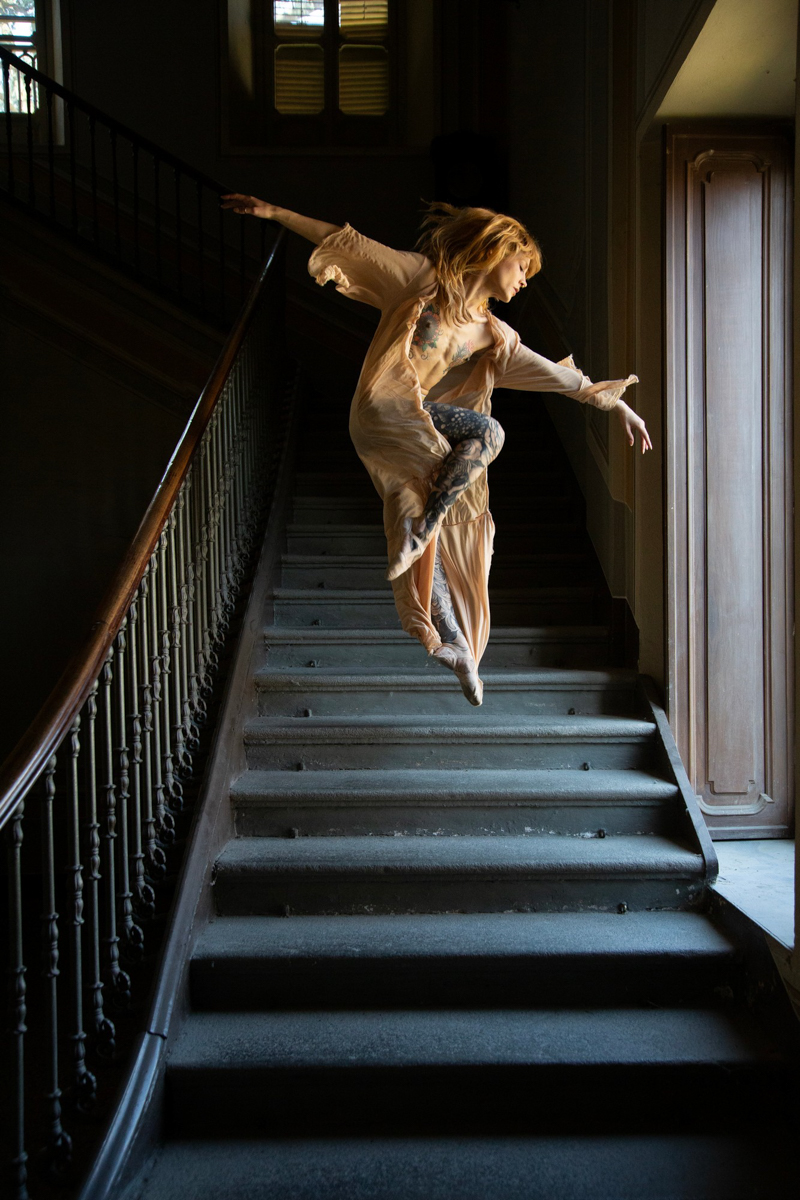
This NIPA feature brings together the artist’s reflections, selected works, and visual material in a long-form interview format.
1 — Can you tell us a bit about yourself and how your journey into photography began?
I approached photography many years ago, initially out of simple curiosity. Then it became a language—something that allowed me to give shape to emotions and stories I carried inside. I started by exploring abandoned places and architecture filled with memory, and there I realized that through light I could create a dialogue between past and present. From that moment on, photography became my way of observing and narrating the world.
2 — What truly moves and inspires you as an artist?
I am moved by the moment when a scene, a person, or even a small detail seems to reveal something greater: a fragility, a hidden strength, a connection with time. I am inspired by history, dance, and the humanity that emerges in places marked by decay. I'm fascinated by the tension between grace and deterioration—between what is fading and what struggles to remain.
3 — How would you describe your photographic style, and how has it evolved over time?
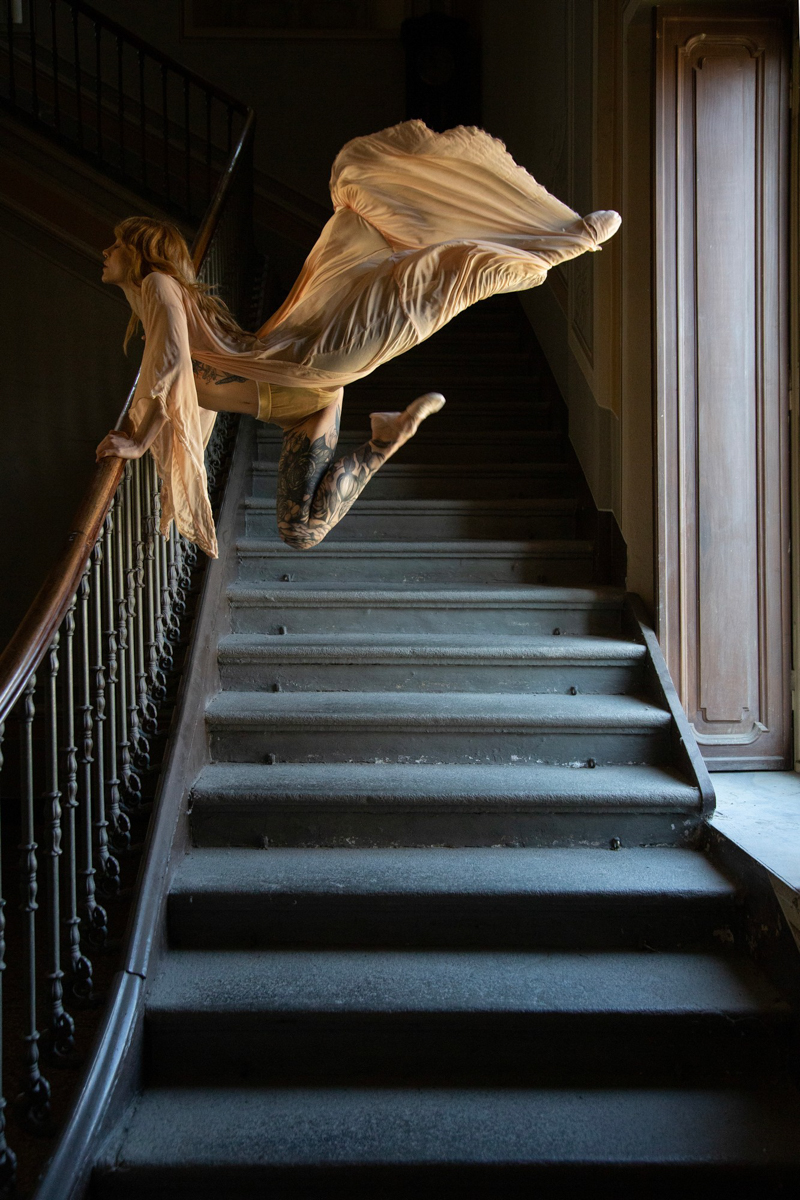
My style blends fine art, visual storytelling, and a strong bond with locations that hold a soul of their own. I love working with natural light and creating suspended, almost painterly atmospheres. Over the years my photography has become more emotionally driven—not only about aesthetics but about meaning, movement, and intensity. Today, photography for me is above all a narrative tool.
4 — Who or what has had the greatest influence on your artistic vision?
I draw inspiration from dance, literature, and art history. My influences range from romantic painters to photographers capable of turning a gesture into poetry. But places have played an essential role as well: abandoned buildings, forgotten architecture, the imperfect beauty of what has been lived. In those silences, I found my own voice.
5 — What is your relationship with your camera and equipment?
My equipment is an extension of my gaze. I choose tools that allow me to work with fluidity and precision, but I never become dependent on them. For me, technique exists to serve emotion. I would rather capture an imperfect but authentic image than a flawless one that feels empty.
6 — What is the story behind your award-winning photograph?
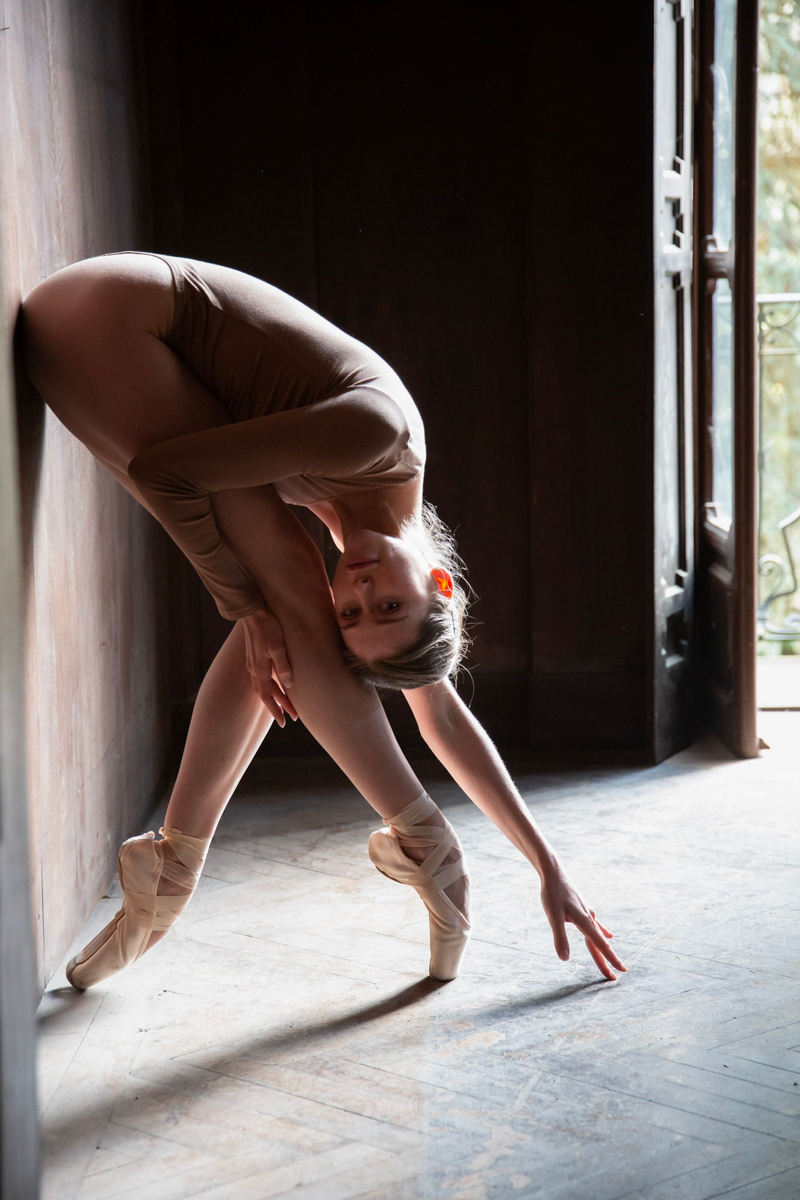
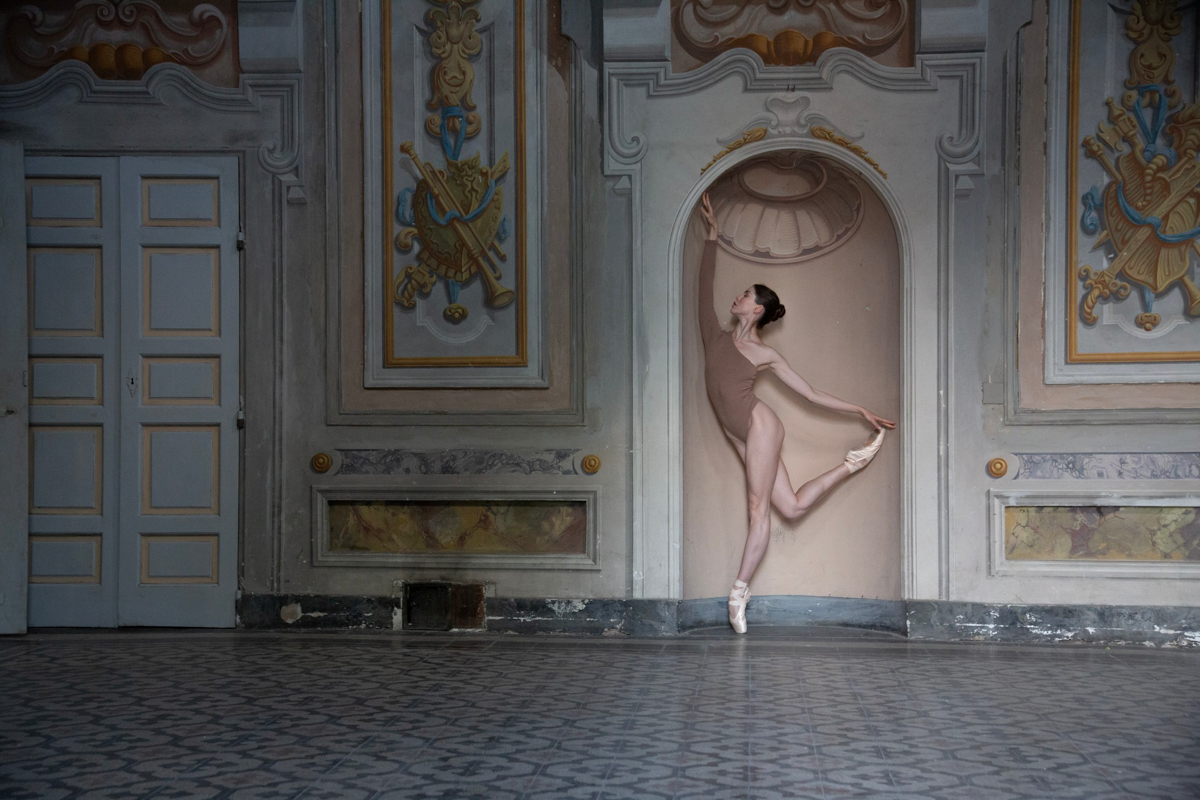
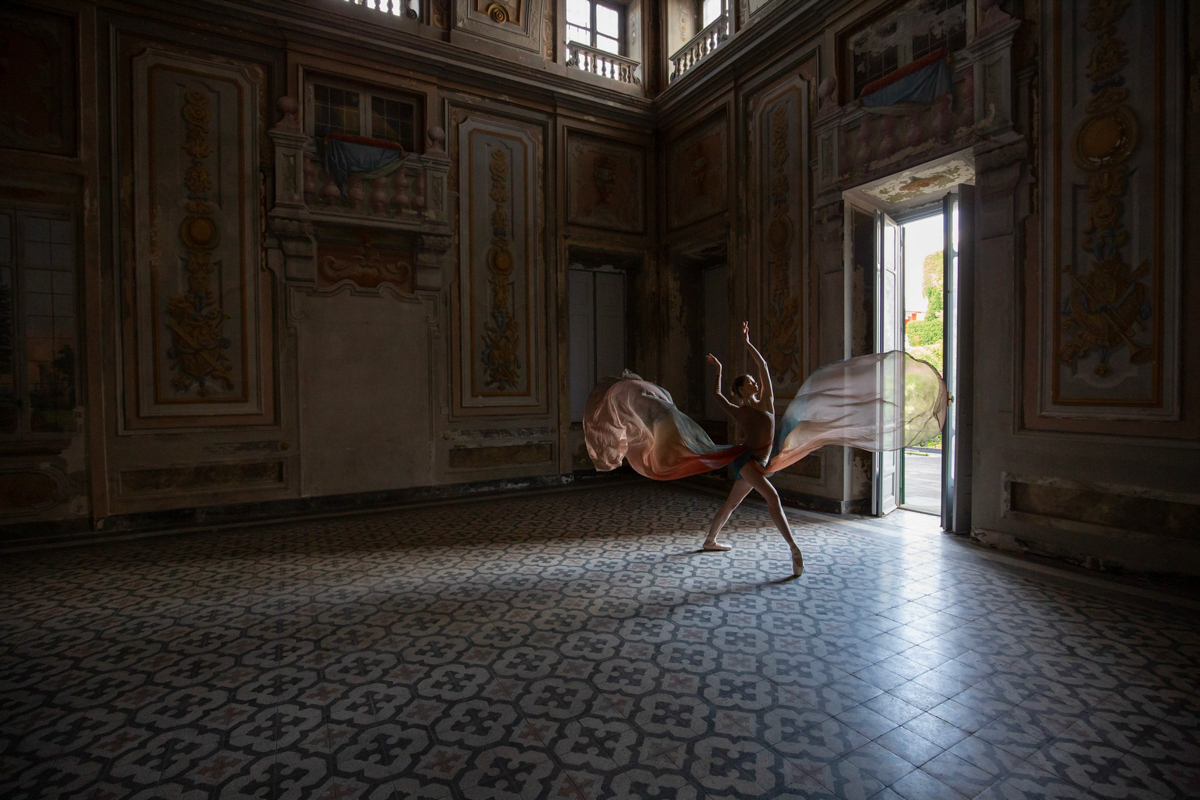
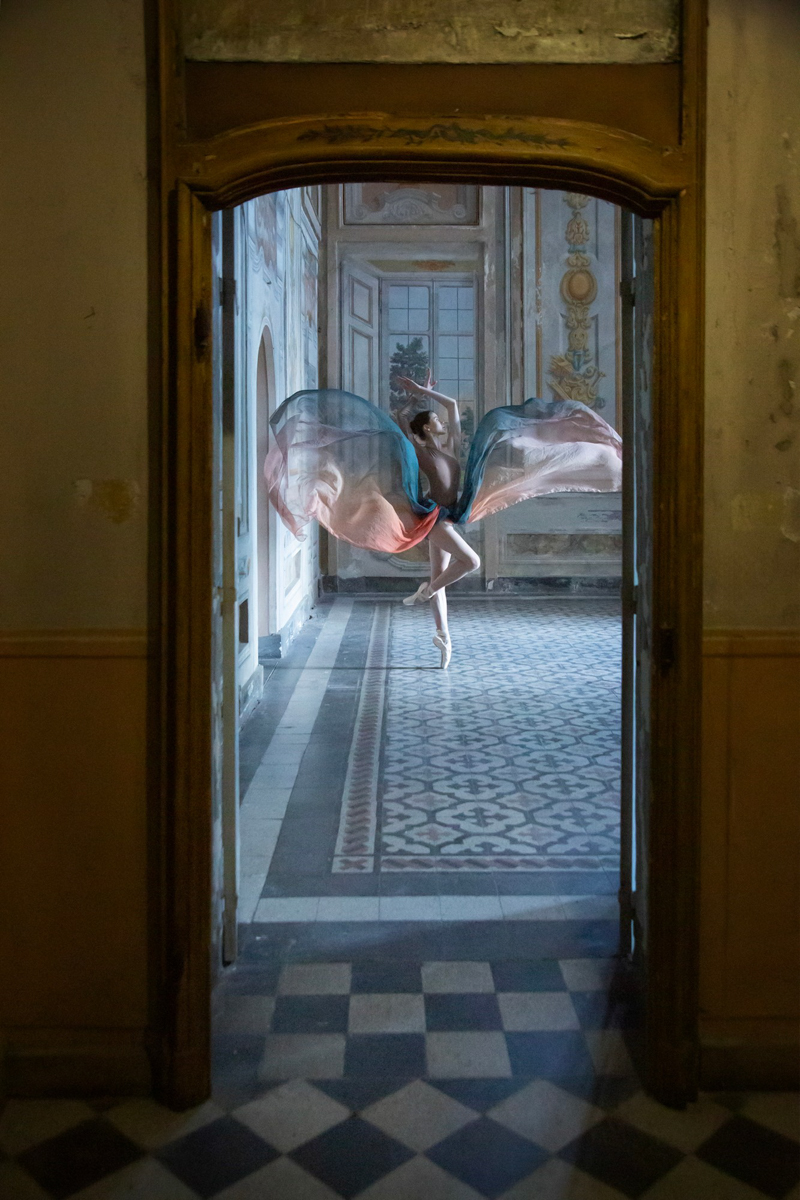
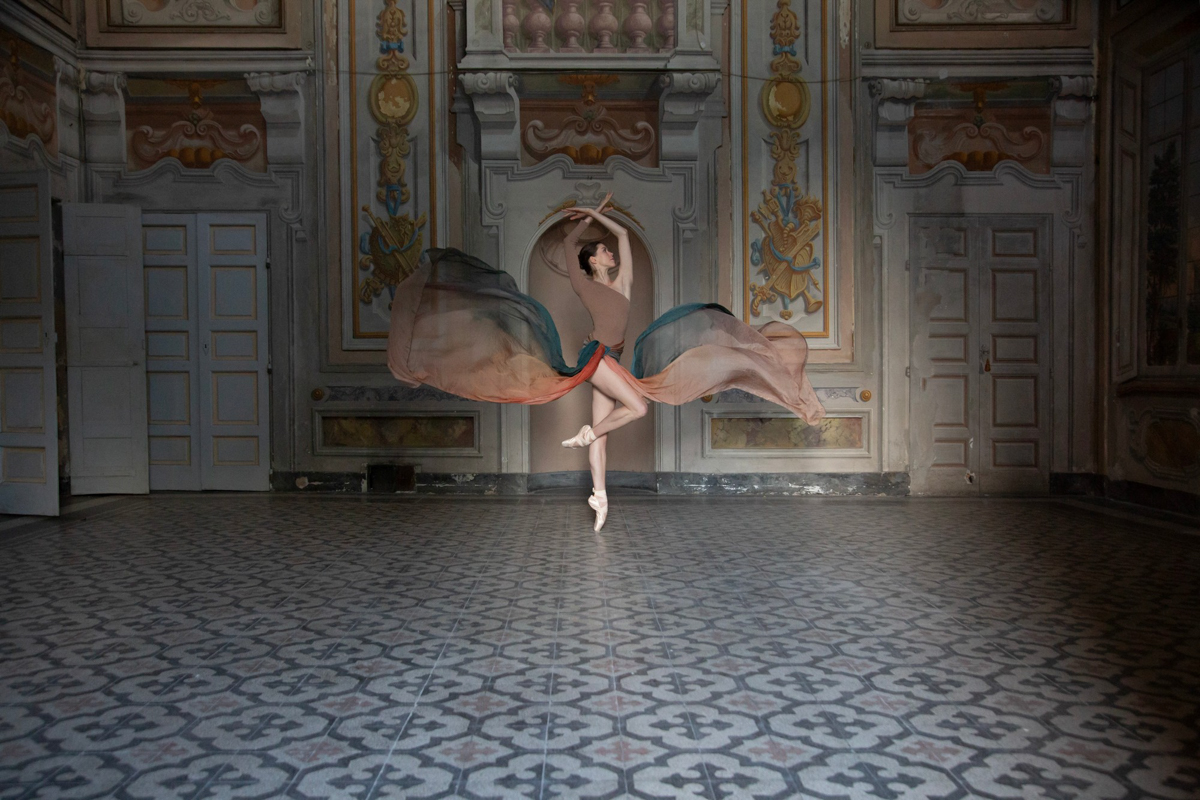
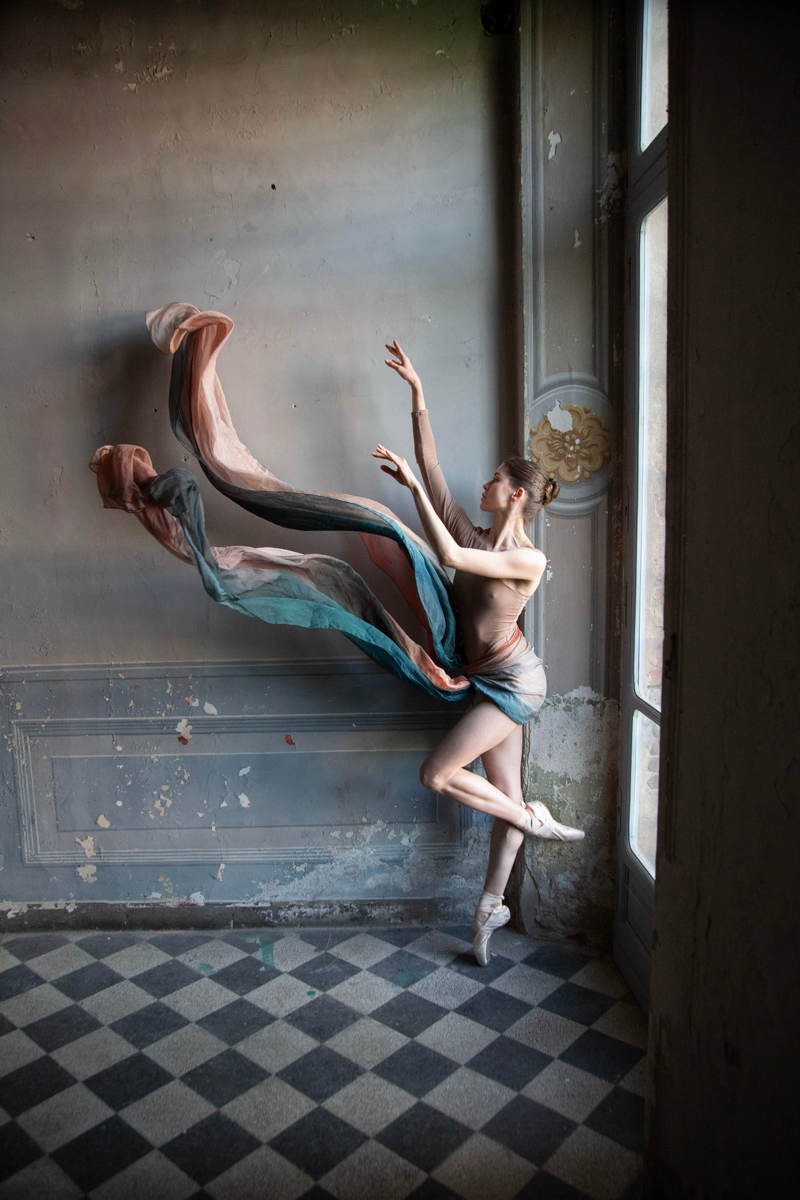
The photo was created inside an old building, marked by time and memory. I chose to place a dancer in this environment to create a contrast between the fragility of the space and the strength of movement. The body seemingly defying gravity represents the soul's ability to rise even within ruins. I wanted the dance to become a spark of life within a crumbling past.
7 — What was the most important decision you made when creating this image?
The key decision was to let the movement of the fabric speak for itself. I didn't want to freeze the dance but capture its essence. So I gave the dancer freedom, waiting for the moment when gesture, light, and space aligned perfectly. The image is spontaneous, yet balanced.
8 — How did you use light, composition, or emotion to bring your vision to life?
I used the natural light coming through the window—soft, directional, almost sacred. The vertical composition emphasizes the upward motion, the ascent. Emotion arises from contrasts: the delicate skin against the worn wall, the floating fabric against the aged floor. The scene speaks of vulnerability and resistance.
9 — What do you hope people feel or think when they look at this photo?
I hope they feel a sense of suspension, of poetry. I want them to see the symbolic power of dance as an act of liberation, and to discover the beauty that can bloom even in forgotten spaces. I hope each viewer finds their own fragment of story or emotion within the image. Vision and Future
10 — What does photography mean to you on a personal level?
Photography is a way of breathing. It is the medium through which I transform emotions into something tangible. It allows me to hold onto what would otherwise disappear, and to give a voice to what often goes unnoticed.
11 — What message or idea do you want your work to communicate to the world?
I want to express that beauty does not lie in perfection, but in truth. Every place, every body, every story carries a unique light. And fragility can be one of the most powerful forms of strength.
12 — What was your first reaction when you found out you had won a NIPA award?
I felt surprised and deeply grateful. Every international recognition is an encouragement to continue telling stories, to believe in one's artistic vision, and to bring new projects to life.
13 — What are your next projects or dreams for the future?
I'm working on new projects that merge dance, history, and locations rich with memory. I aim to create a series exploring the relationship between the human body and ancient architecture, and to continue developing works centered on feminine identity. My dream is to exhibit these projects in historical spaces, creating a dialogue between past and contemporary imagery.
14 — What do you think about NIPA, and do you have any suggestions to help us improve it further?
NIPA is a competition that truly values artistic vision, giving photographers from all over the world a chance to share their voice. I appreciate the careful curation and the high quality of the selected works. One possible improvement could be to offer, alongside the awards, opportunities for interaction—such as video interviews or artist roundtables—to help build an even more vibrant and international community.
Photography is a way of breathing. It is the medium through which I transform emotions into something tangible. It…
Images from the Photographer

Sorry, the comment form is closed at this time.