
31 May Interview: Viet Van Tran
VietVanTran
Photographer
My name is Viet Van Tran (Tran is the last name, Viet is middle name and Van is the first name). I was born into an intellectual family in Hanoi. My father, Tran Viet Ngu, was a theatre researcher who received the State Award for Literature and Arts. My…
NIPA Featured Artist
For me, photography is not only an art form, but also a voice, a way to express my thoughts and reflections on human…
A conversation with Viet Van Tran.
My name is Viet Van Tran (Tran is the last name, Viet is middle name and Van is the first name). I was born into an intellectual family in Hanoi. My father, Tran Viet Ngu, was a theatre researcher who received the State Award for Literature and Arts. My…
The Interview
This NIPA feature brings together the artist’s reflections, selected works, and visual material in a long-form interview format.
Can you tell us a little about yourself and how your journey into photography began?
My name is Viet Van Tran (Tran is the last name, Viet is middle name and Van is the first name). I was born into an intellectual family in Hanoi. My father, Tran Viet Ngu, was a theatre researcher who received the State Award for Literature and Arts. My mother, Associate Professor and Doctor Le Thi Duc Hanh, was a veteran researcher at the Institute of Literature. My older brother, Tran Van Viet, is a teacher and also a photographer. I was immersed in an artistic atmosphere from a very young age. During my school years, my father often took me to watch plays at various theatres and was the first mentor who edited my early writings for publication in newspapers. My brother, meanwhile, guided me through my first steps in photography. I still remember those evenings when the two of us would work together in our small darkroom, enlarging black-and-white photos with an old Russian Kupa enlarger. The moment when the image slowly appeared as we dipped the photo paper into the developing tray, it was magical. After graduating from university, I became a journalist, a profession I have now pursued for over thirty years. To me, a pen or a camera is simply a tool, a way to express my voice about life. Yet images always bring a more direct and powerful emotion. They allow me to “speak” more and perhaps more interestingly than words alone. My first international award-winning artwork was in 2000, when I received the Excellence Prize from ACCU (Japan, Asia-Pacific Photo Awards) for the photograph “Sharing a Belief.” It portrayed an Australian woman, shoulders bare, devoutly praying before a Buddha statue at Kim Lien Pagoda, beside a Vietnamese farmer woman in her humble brown attire doing the same. That image deeply moved me because no matter where we live in the world, every human being needs a faith to heal the wounds of the soul. Since then, I have found even more motivation to continue. To date, I have published eight books, held ten solo exhibitions, and received over 130 international awards.
What truly moves and inspires you as an artist?
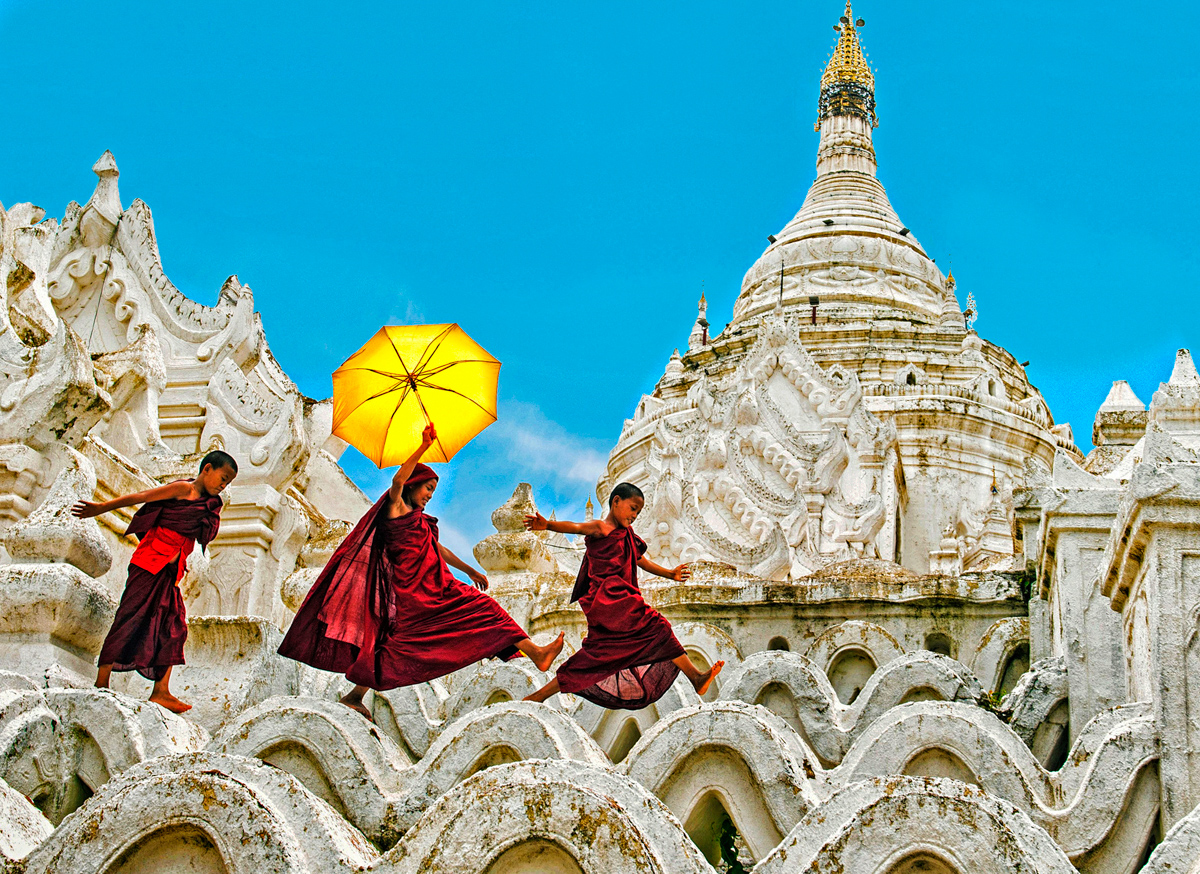
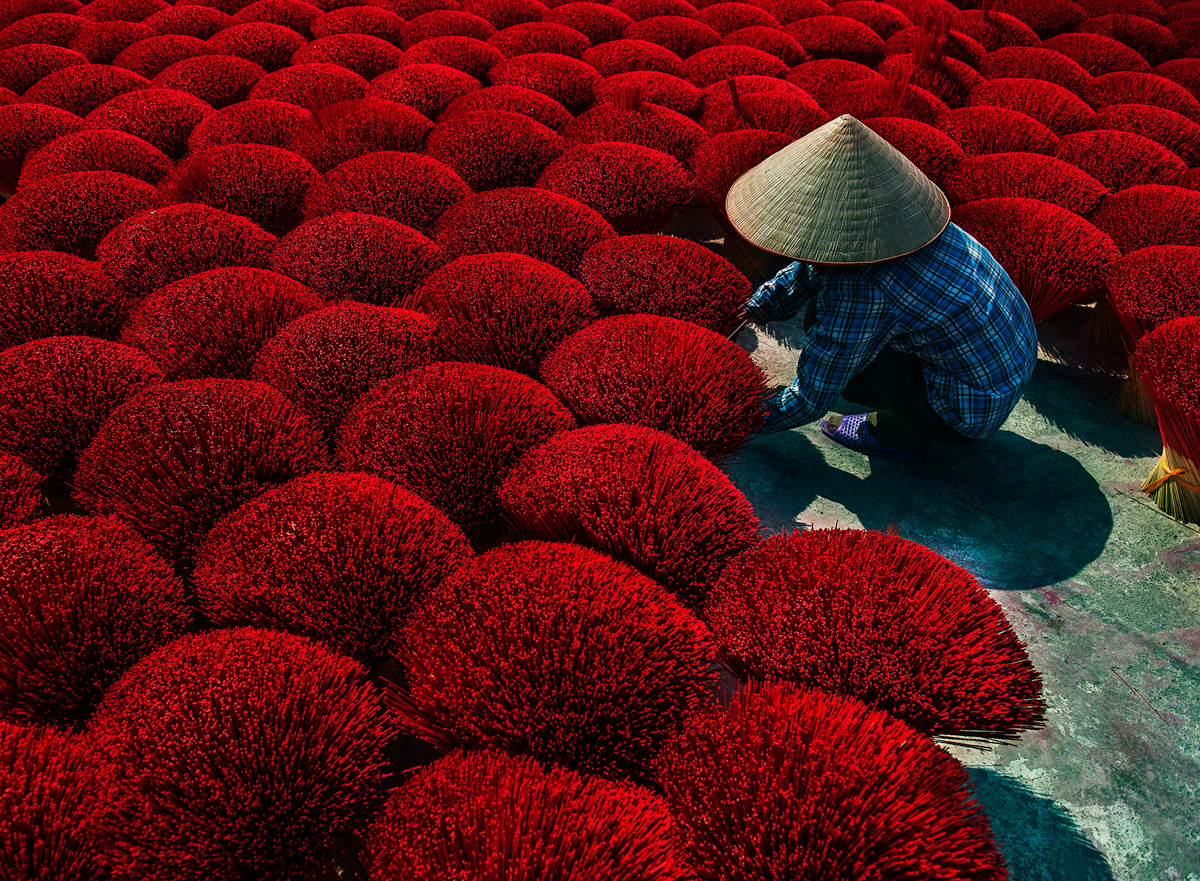
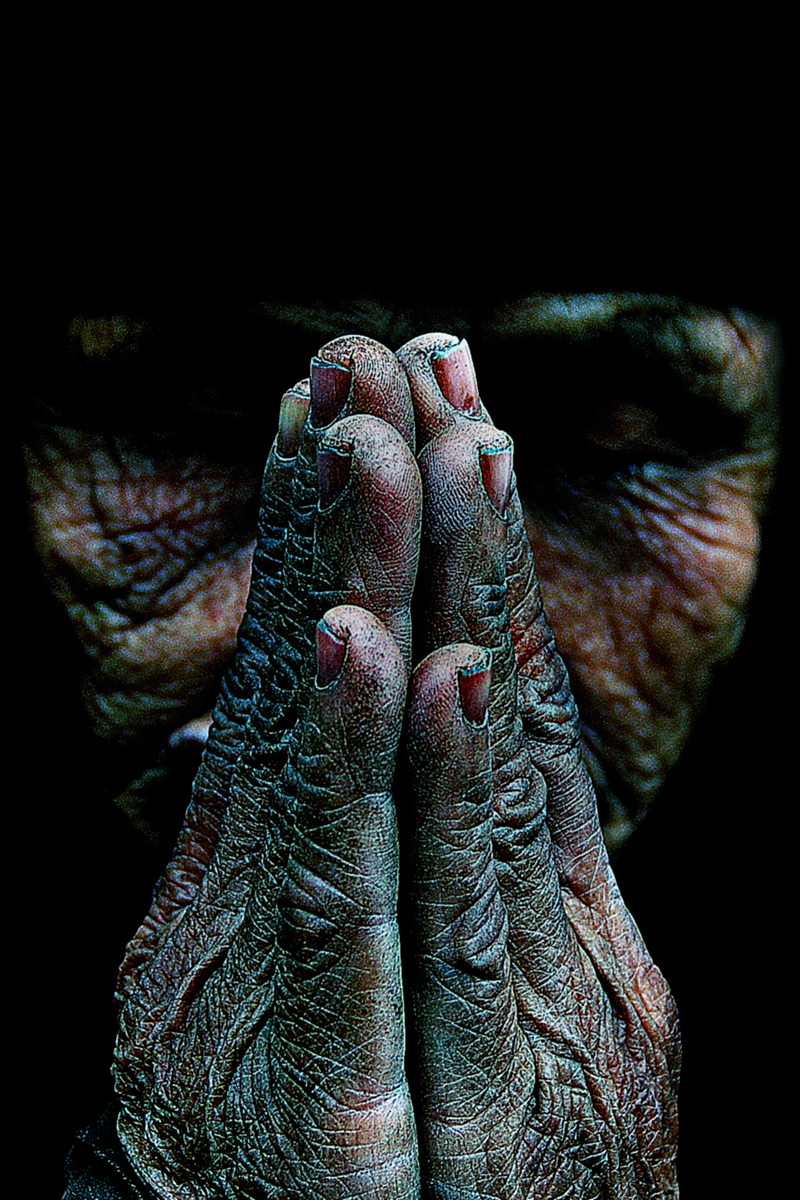
What truly moves and inspires me as an artist is the quiet beauty hidden in ordinary life. The moments when human emotions reveal themselves in their purest form. Whether through the wrinkles on an old mother’s face, the gaze of a child, or the light falling gently on a crumbling wall, I find stories about time, memory, and faith in the everyday. Photography, to me, is not only about capturing what I see, but about preserving what I feel, the invisible connections between people, places, and the passage of life itself.
How would you describe your photographic style, and how has it evolved over time?
My philosophy of photography is that anyone can take beautiful pictures with digital devices such as tablets or smart phones. The true power of photography does not lie in creating a beautiful image, but in creating an image that tells a story. That image may be grotesque, rough, or even ugly, yet it can still connect with the viewer, evoke emotion, and spark an inner dialogue. Therefore, I do not confine myself to any fixed form of expression, instead, I choose the visual language that best serves each story. My photographs are not trapped within any specific format, which allows them to offer a variety of perspectives and emotions. In a single series, documentary or journalistic photos may intertwine with artistic ones; realism may merge with surrealism or minimalism. There might be square photos, long panoramas, vertical compositions, single images or diptychs, even triptychs. Some may be printed and then drawn over,all depending on the intention of the work. For me, every medium is merely a means to achieve the final artistic effect. There are no limits in expression, the only limit lies in the artist’s own talent and imagination. I enjoy working on long-term documentary and artistic projects such as “Faith and Life”, “Generals in Peacetime,” “To Be or Not to Be,” “Disconnected and Connected,” “My Mother,” “The Houses That Will Gradually Disappear,” and “Human Faces.” The underlying idea in my works is the search for connections between humans and nature, body and will, time and memory and often between things that seem unrelated but are, in fact, deeply intertwined. Ultimately, everything belongs to a vast and harmonious whole the grand composition of the universe itself. In the nearly future, my work will evolve in two directions. The first is toward minimalism, creating more silence and space for the viewer’s imagination, with greater subtlety and emotional depth. The second is the integration of other art forms, such as literature and painting, so that the work becomes truly multimedia, carrying multiple layers of meaning.
What’s the story behind your winning photograph?
To photograph this series, I had to talk with the ballet teacher to explain my purpose and ask for permission to shoot. Fortunately, the teacher himself was also a ballet artist, so he was very enthusiastic and supportive. I was given about two hours in the practice studio to take the photos. After the session, when reviewing the images, I felt quite satisfied though there was one thing I didn’t like: some small personal items of the students, such as water bottles and clothes, were hanging near the practice area, slightly distracting the viewer’s attention.
How did you use light, composition, or emotion to bring your vision to life?
I respect natural light and did not interfere with the students’ practice so that the story could remain as truthful as possible. The rest was simply about observing, selecting, and capturing the most expressive, emotional moments, those that reveal the beauty of hard work and the strength of will behind their dream of becoming talented professional ballet dancers. I carefully chose shooting angles to create strong compositions, and often used a wide-angle lens to emphasize the lines, forms, and emotions of the subjects.
What do you hope people feel or think when they see this photo?
Behind the perfect extension of her legs is a face twisted in pain. Yet in that moment, this young ballet dancer shines the brightest not for flawlessness, but for the fierce resolve to transcend her own limits. This is more than dance; it is a portrait of sheer will.And if anyone feels like giving up, just look at them those who walk through pain and tears to touch their dreams. Success was never meant for those who surrender easily. And if anyone feels like giving up, just look at them, those who walk through pain and tears to touch their dreams. Success was never meant for those who surrender easily.
What does photography mean to you on a personal level?
For me, photography is not only an art form, but also a voice, a way to express my thoughts and reflections on human existence. Through the lens, I can speak of what words cannot convey: compassion, solitude, faith, and the fragile beauty of life itself. At times, photography helps fill the silent voids and mend the broken fragments within my soul. It is not merely an act of creation, but a quiet journey of healing, one that allows me to connect with, and befriend, both myself and life.
What was your first reaction when you found out you won a NIPA award?
I am very delighted because this is a prestigious competition with a panel of renowned experts in the photography industry. The award serves as a great source of motivation and inspiration for me to continue pursuing and developing new photography projects.
What are your upcoming projects or dreams for the future?
My dream is to have more of my works recognized and exhibited at prestigious photography festivals around the world, to have my photographs included in the collections of renowned museums, and to create photographic projects that have a strong impact and meaningful influence on society.
What are your thoughts on NIPA, and is there any suggestion or idea you’d like to share to help us make it even better in the future?
NIPA is a new and exciting competition with a diverse range of categories. However, in my opinion, it should include additional categories such as Still Life and Conceptual, and separate People and Portrait into two distinct categories. It would also be fairer to divide single images and photo series into separate sections for judging.
For me, photography is not only an art form, but also a voice, a way to express my thoughts and reflections on human…
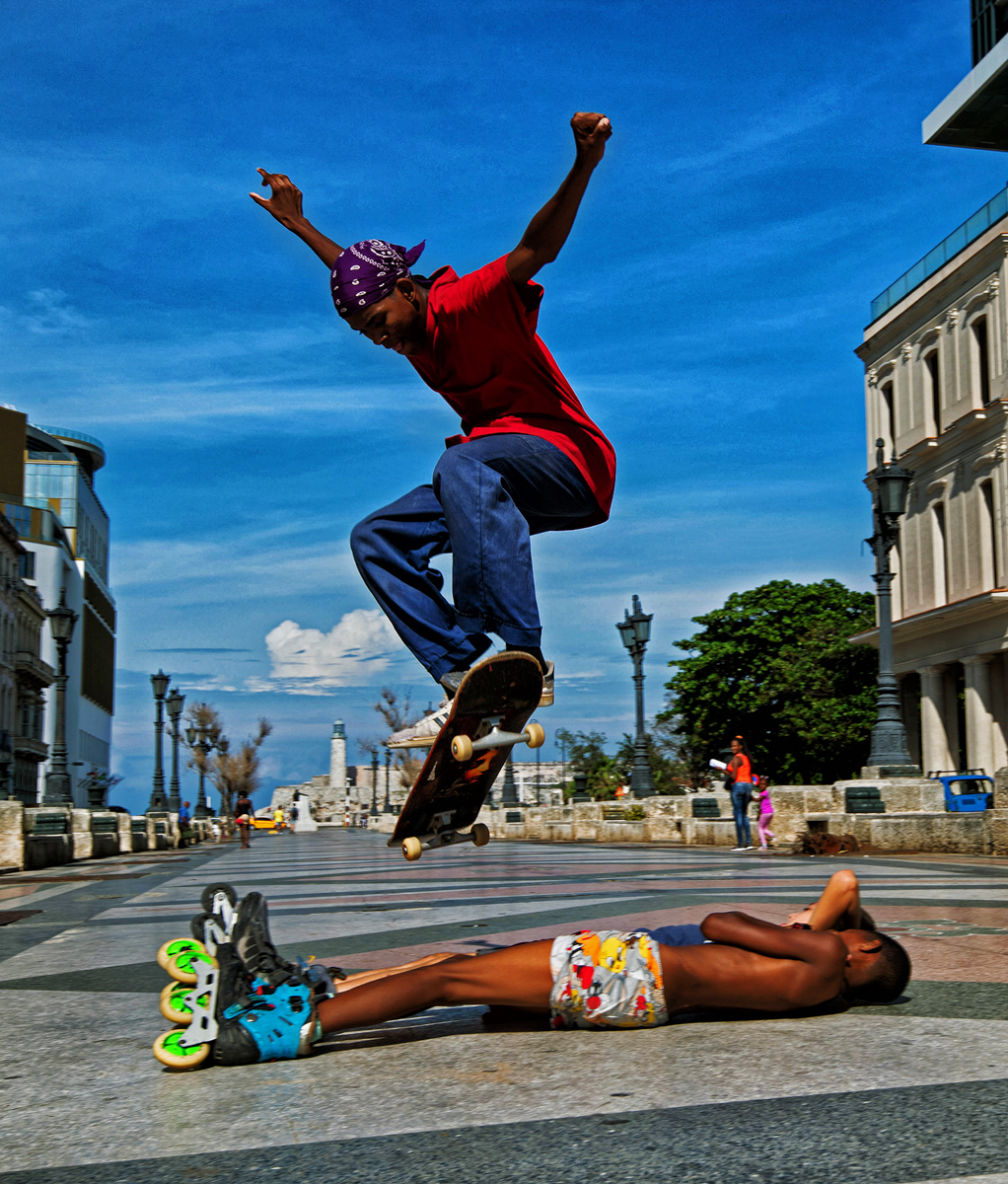
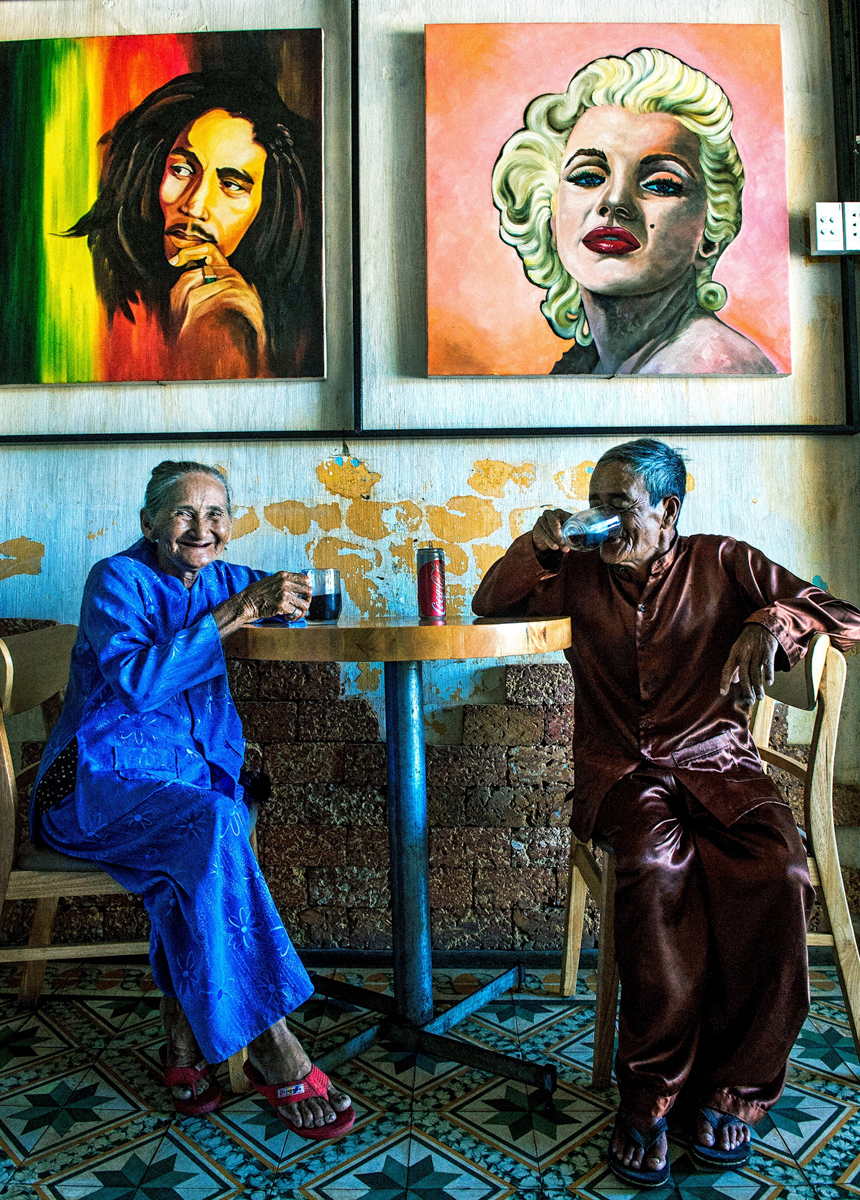
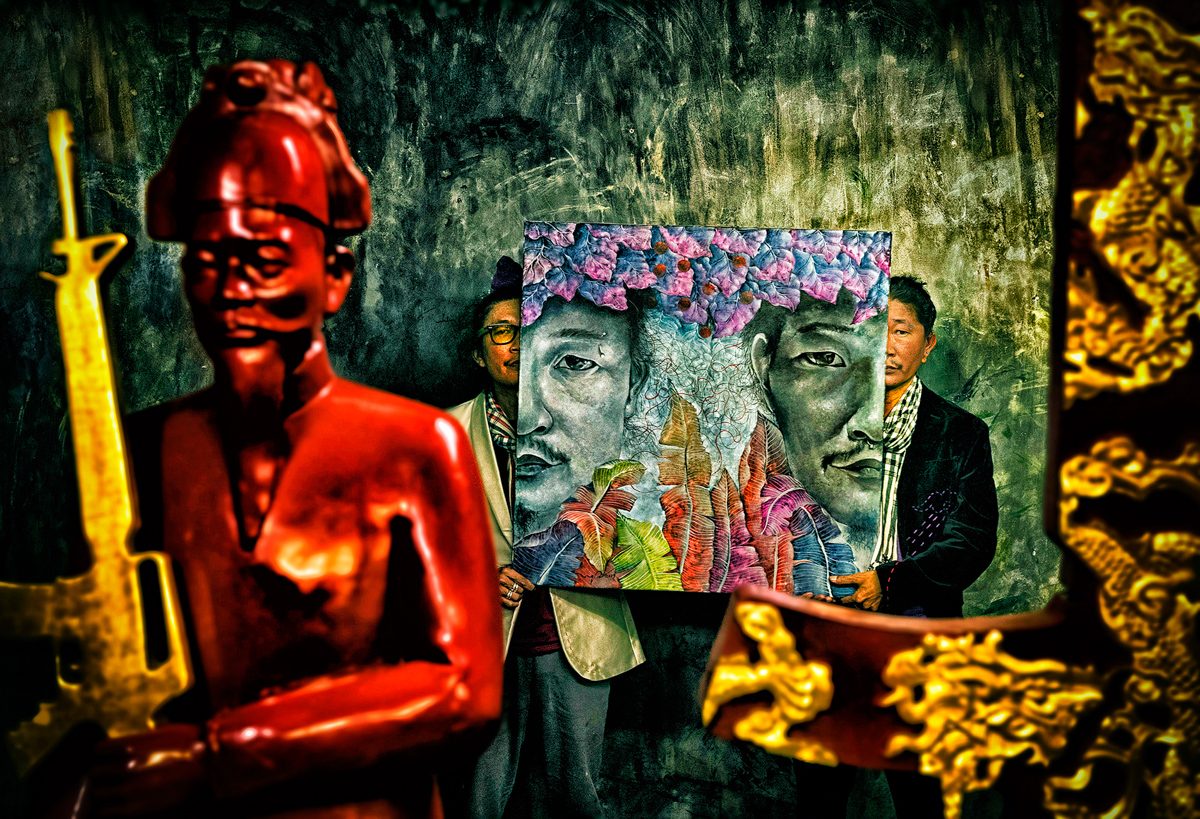
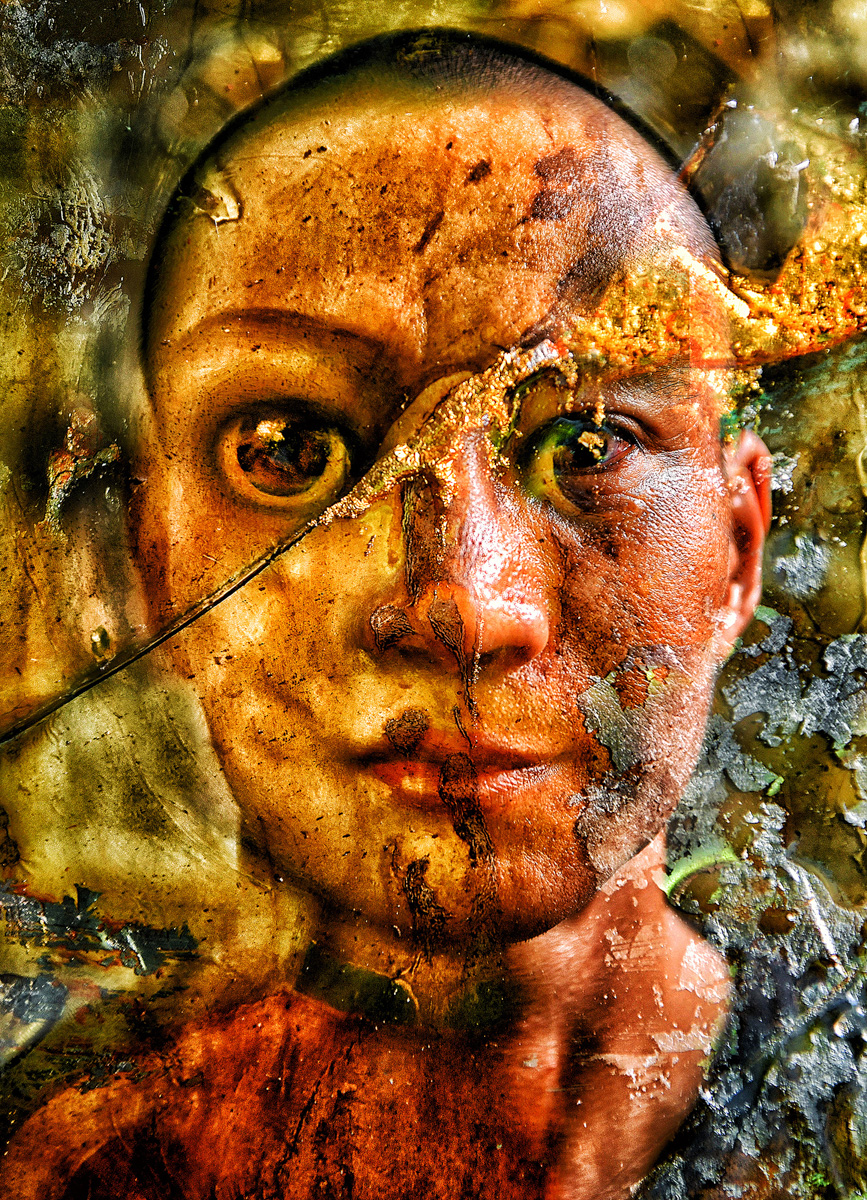
Images from the Photographer

Sorry, the comment form is closed at this time.