
31 May Interview: Ralf Dreier
NIPA 2026 Interview
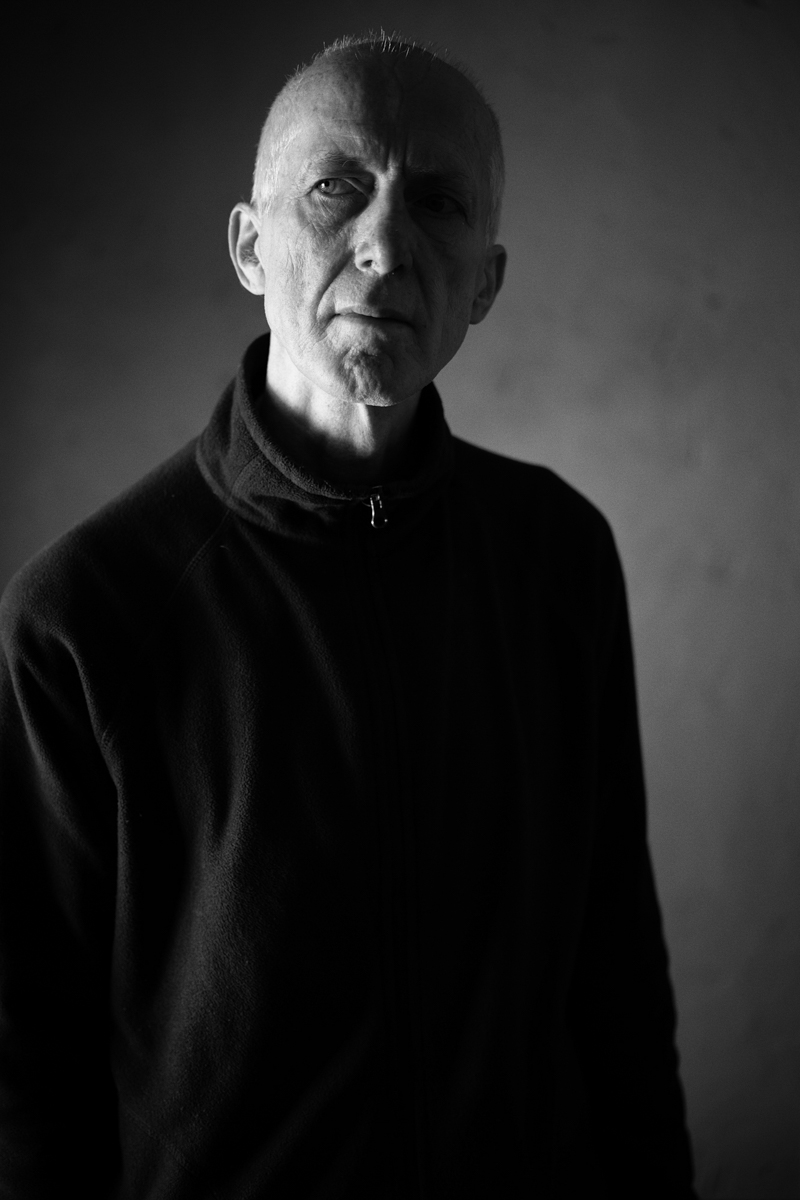
Ralf Dreier
Photographer
It all started in my childhood in the 1970s. I was allowed to use my father’s camera and he also taught me the basics of photography. But it was more of a gimmick than serious photography. My interest in photography came back from time to time, but there were…
NIPA Featured Artist
About the Artist
A conversation with Ralf Dreier.
It all started in my childhood in the 1970s. I was allowed to use my father’s camera and he also taught me the basics of photography. But it was more of a gimmick than serious photography. My interest in photography came back from time to time, but there were…
The Interview
This NIPA feature brings together the artist’s reflections, selected works, and visual material in a long-form interview format.
Can you tell us a little about yourself and how your journey into photography began?
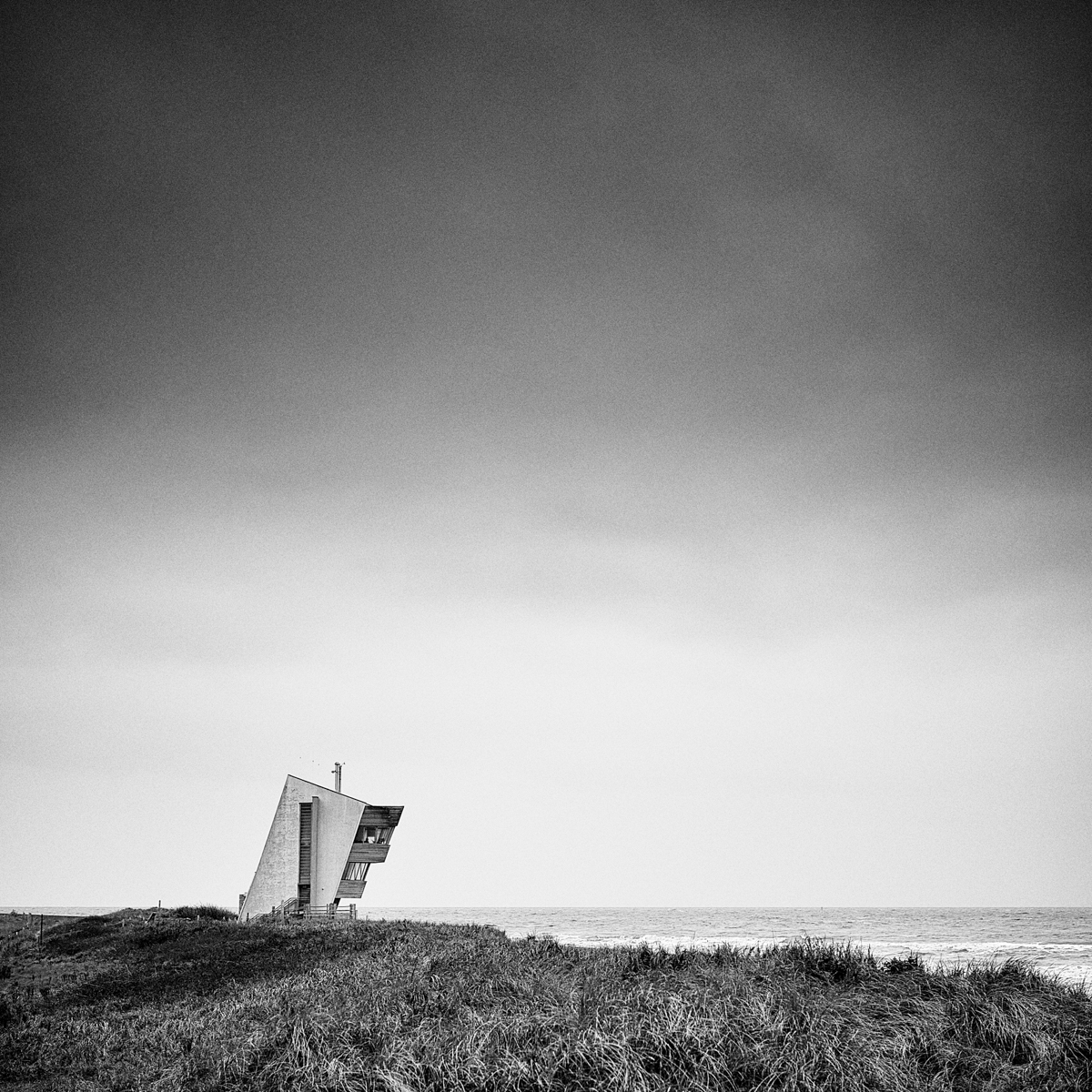
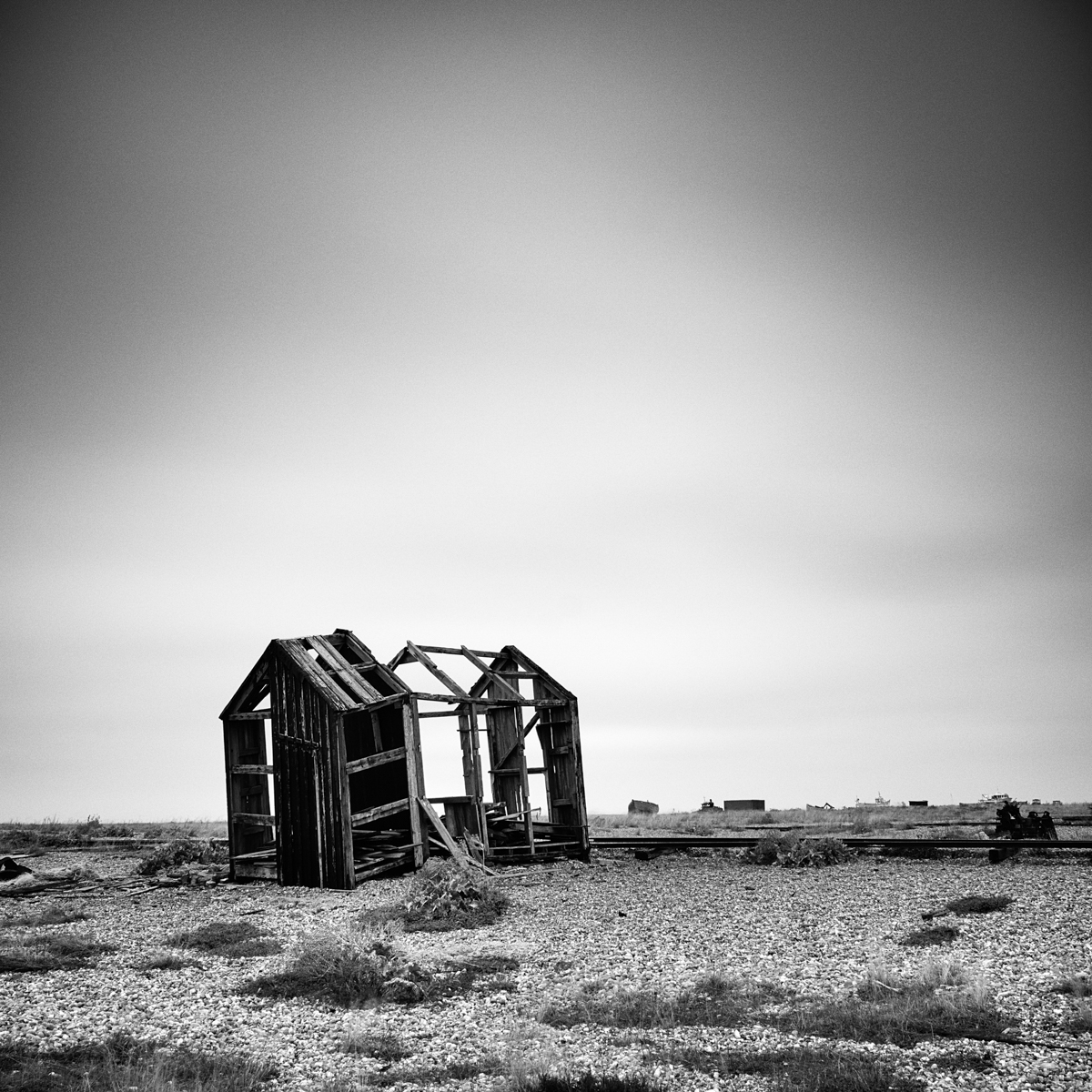
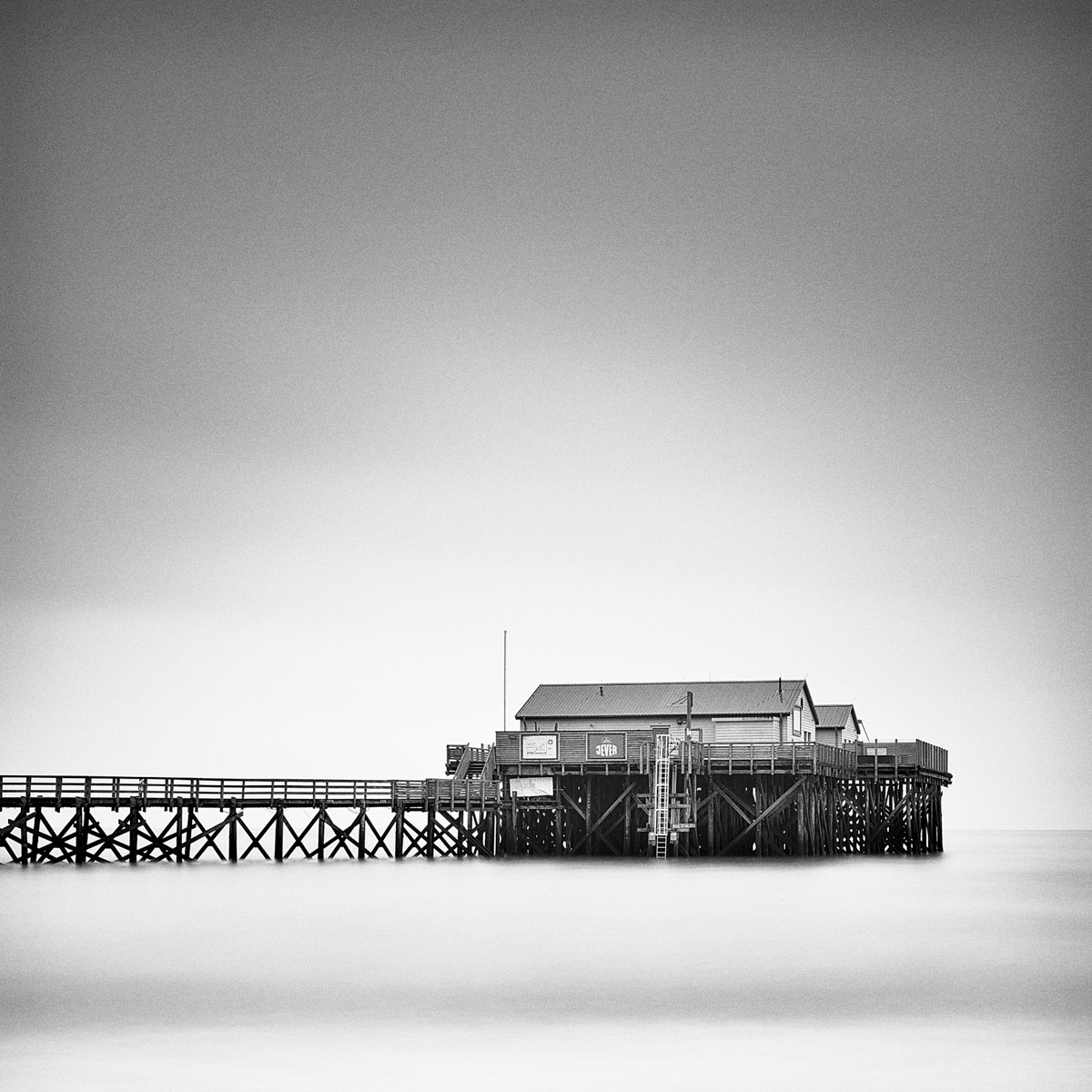
It all started in my childhood in the 1970s. I was allowed to use my father’s camera and he also taught me the basics of photography. But it was more of a gimmick than serious photography. My interest in photography came back from time to time, but there were also longer breaks. But it never really let go of me. Shortly before the turn of the millennium, the passion somehow broke through. But there wasn’t really any reason for it. I started with analogue photography, initially in colour. From the year 2000 onwards, however, I worked exclusively in black and white. That year I also got my own darkroom and shortly afterwards I started using analogue medium format. The next big change came at the end of 2006 when I started with digital photography. Still in black and white, of course. One year later, analogue photography was history for me. In the years that followed, I developed somewhat more slowly but steadily. For some years now, I have specialised in minimalist black and white photography and have finally found my own style.
What truly moves and inspires you as an artist?
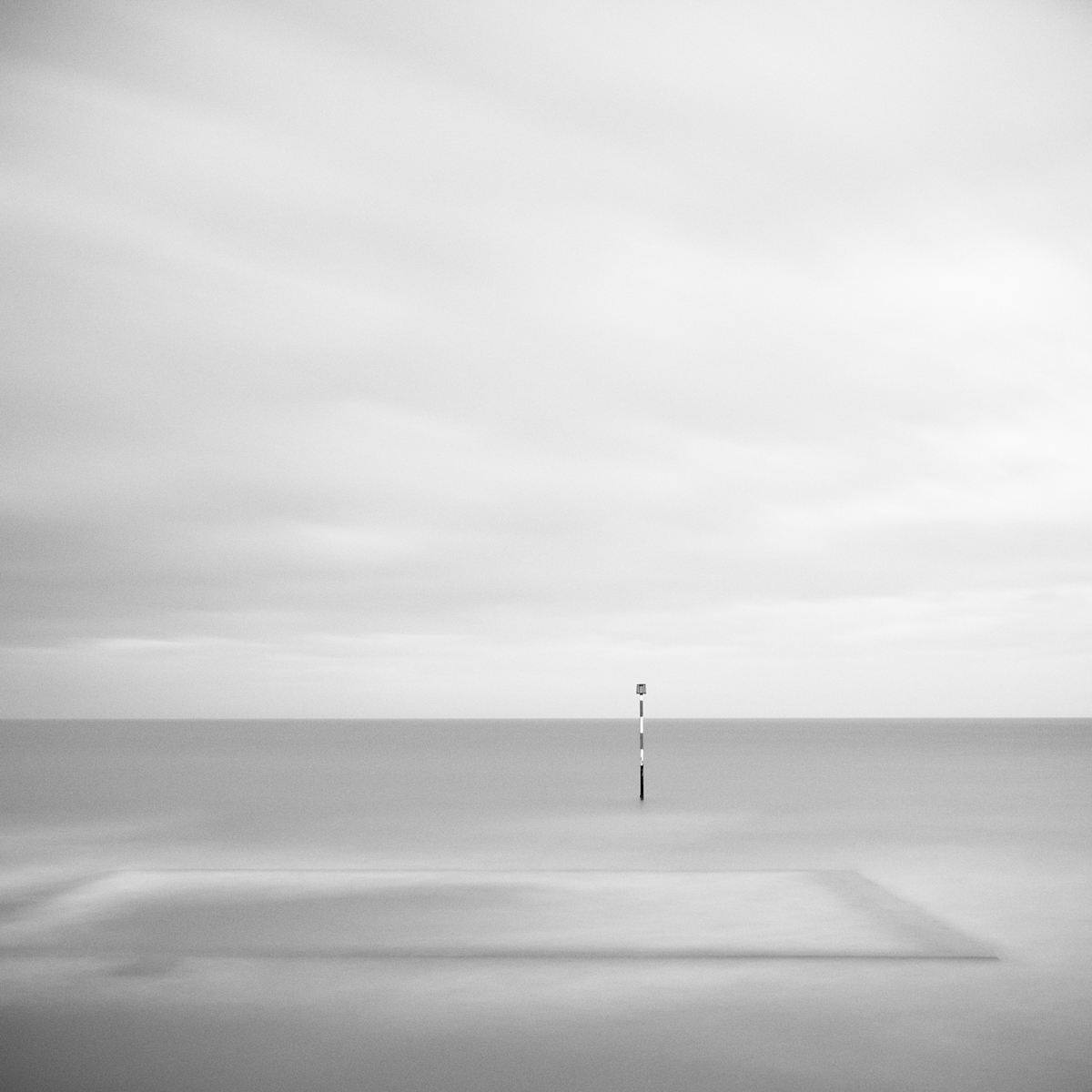
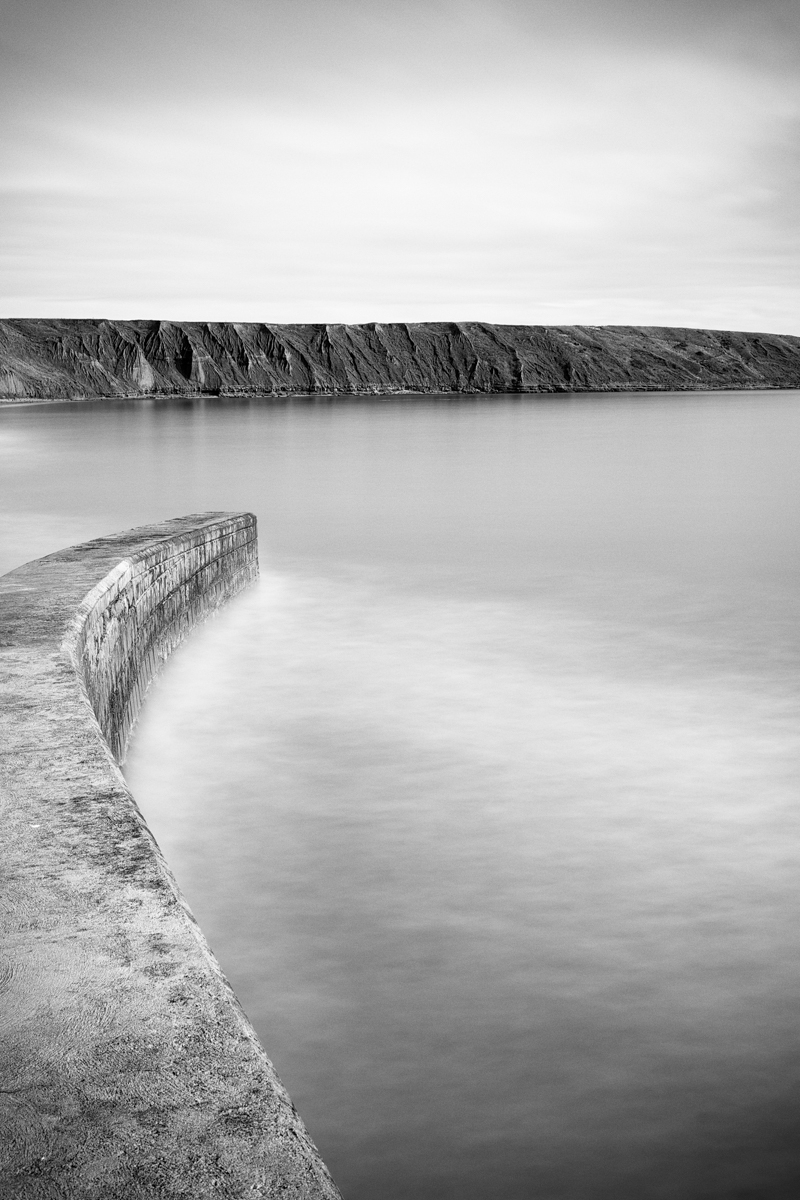
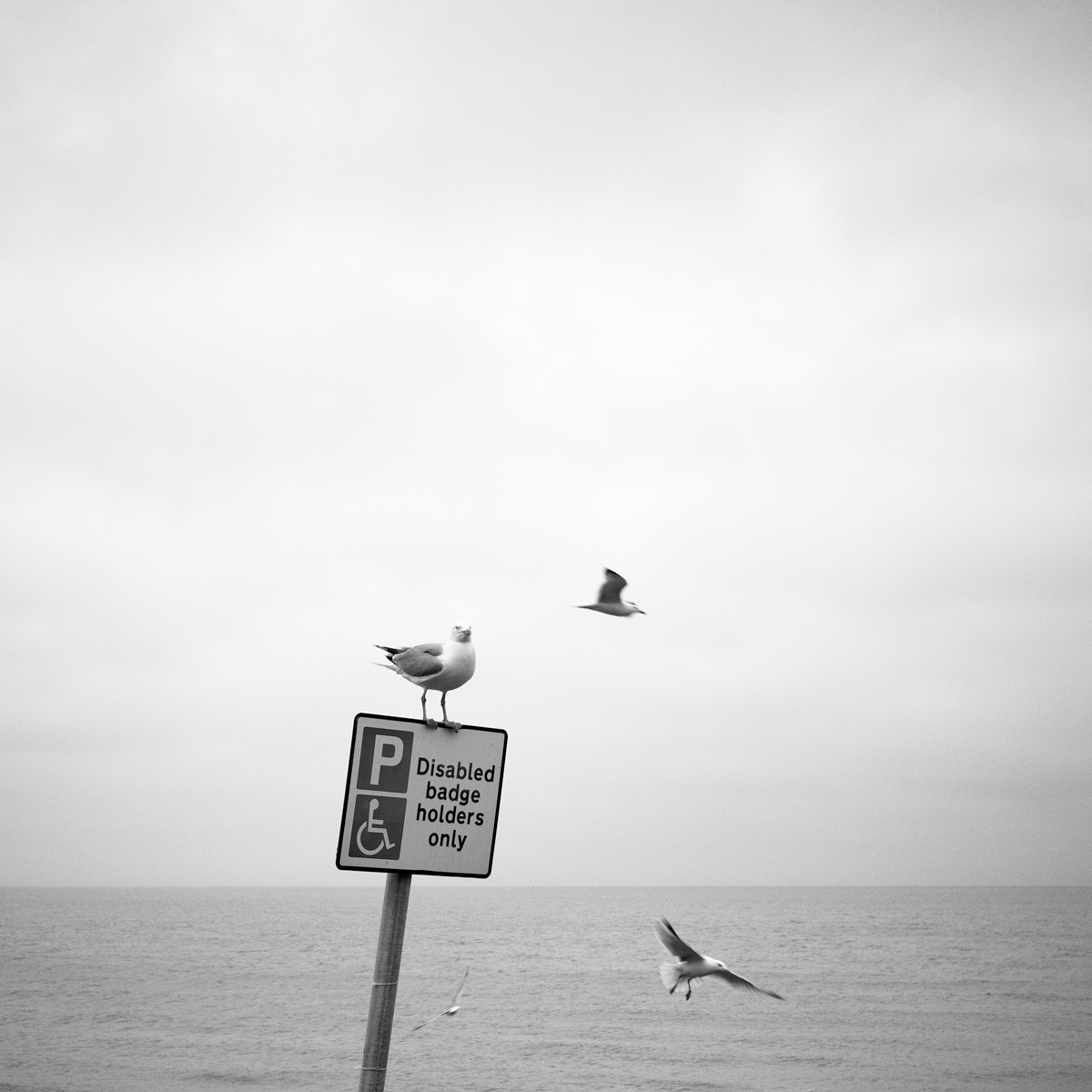
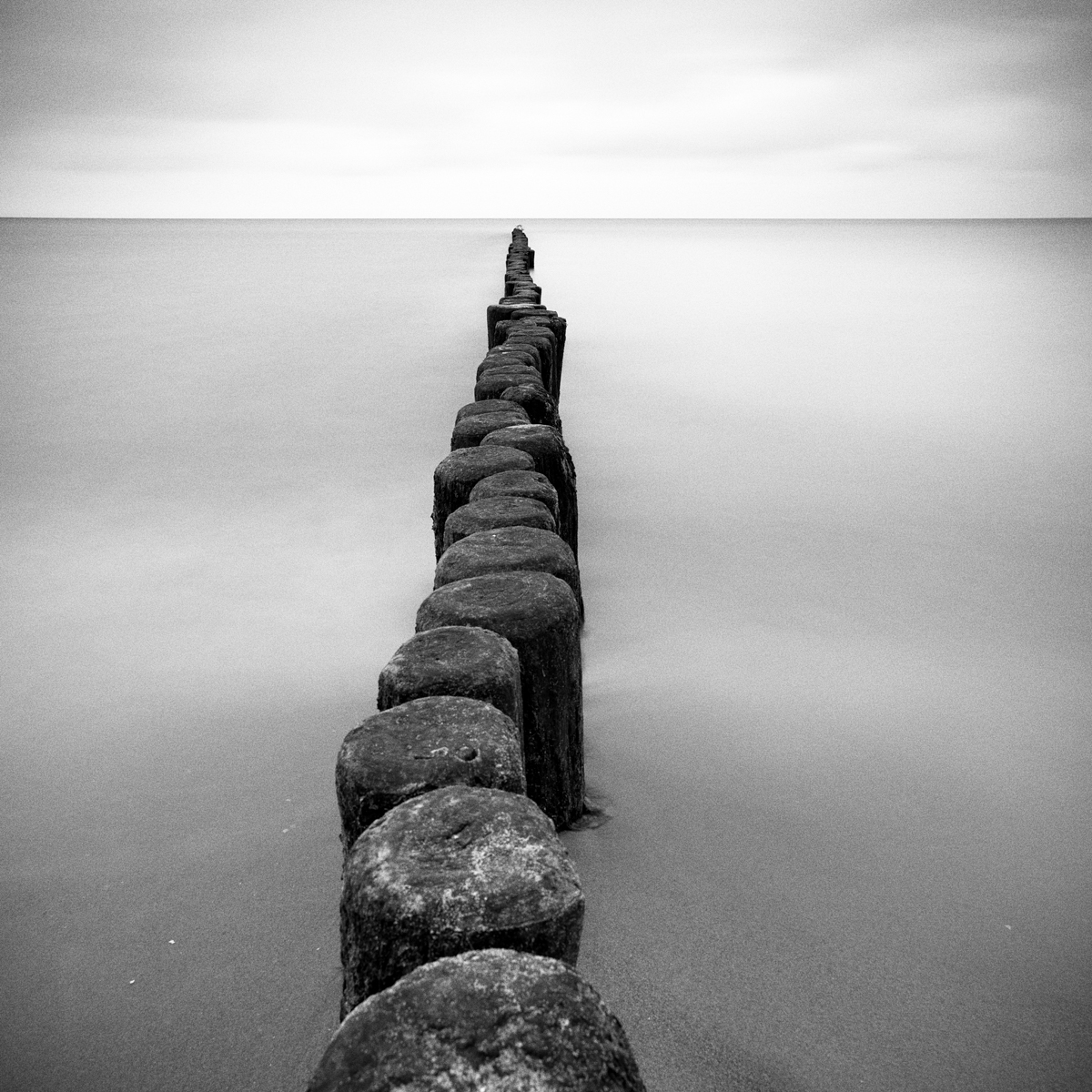
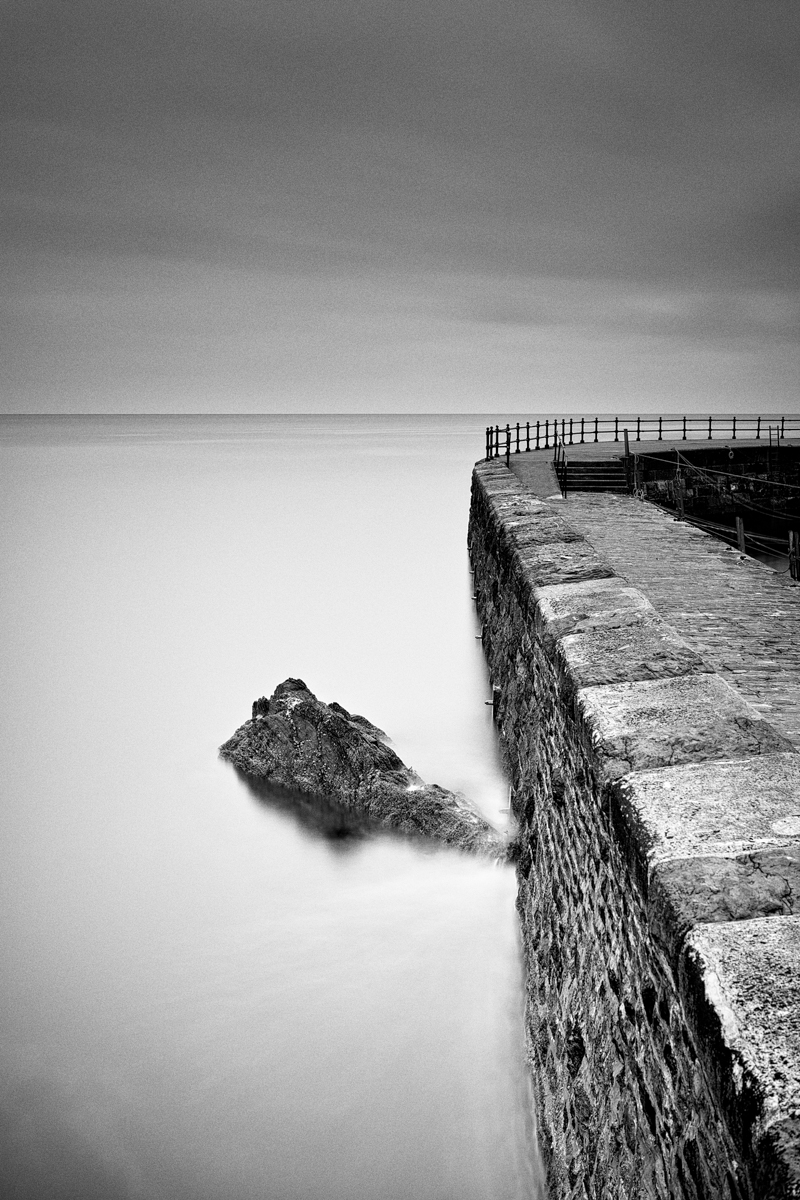
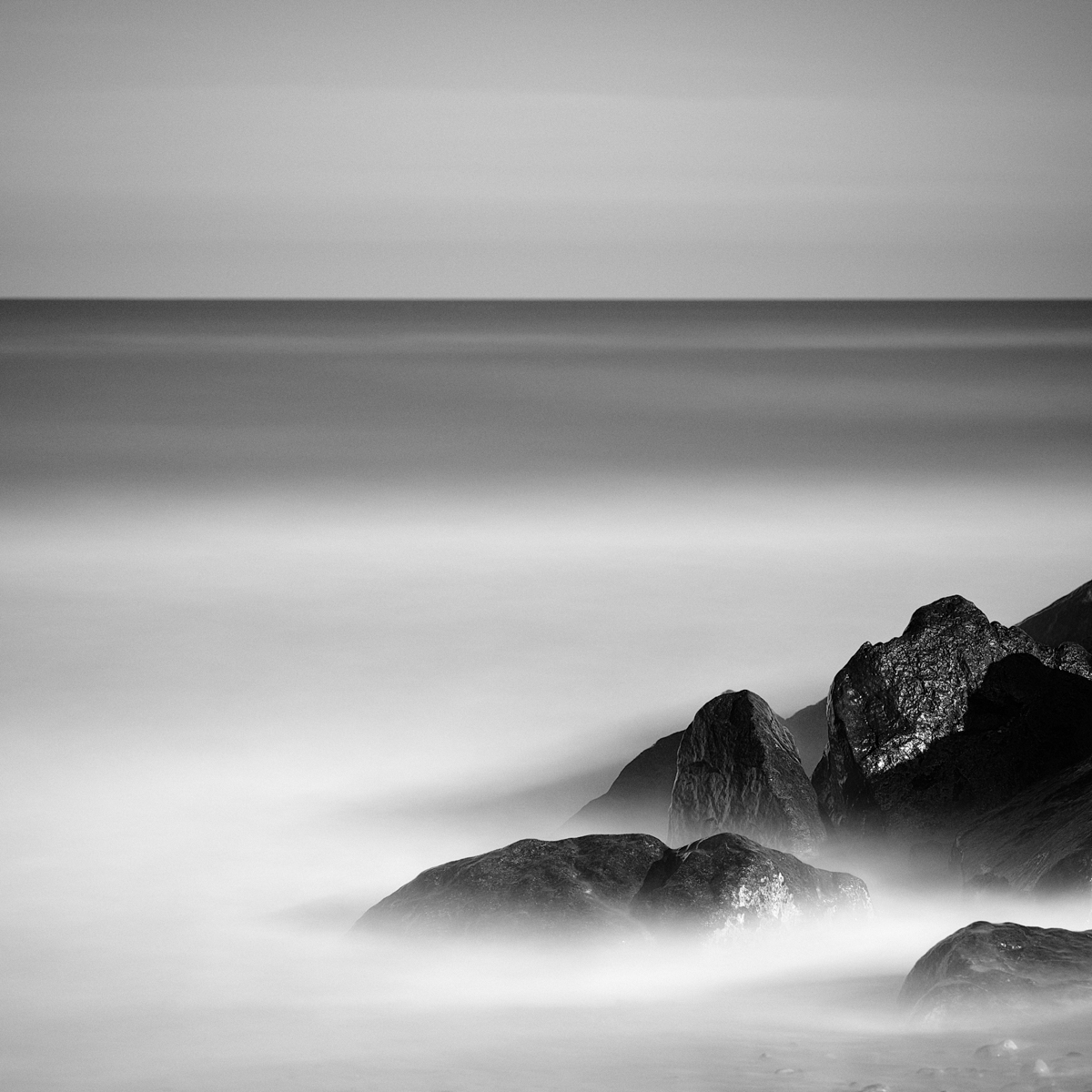
I’m particularly inspired by the sea. Maybe that’s because I live a long way from the sea. I can’t just go to the sea and take a few pictures. So I’m forced to plan every trip to the sea to a certain extent. I think that has a big influence on my pictures. And the sea always remains something very special for me. Of course, I also try to take pictures near where I live. But I try to use the same visual language that I use by the sea. That’s always a very special challenge for me.
How would you describe your photographic style, and how has it evolved over time?
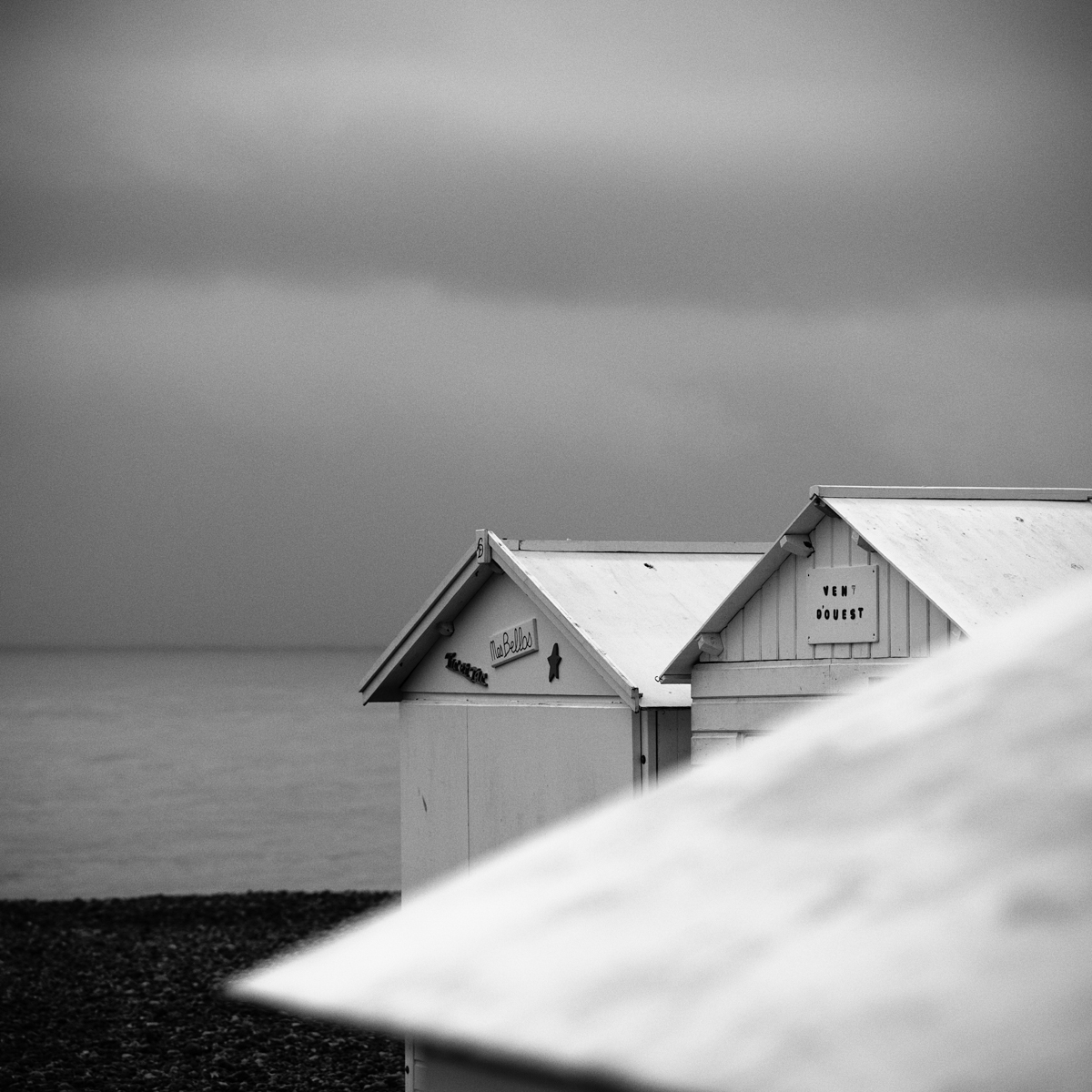
I would describe my style as minimalist black and white photography in the areas of landscape and architecture. However, this style has developed far too slowly. In my first 15 years as a photographer, I kept trying out new things, only to realise that it wasn’t really getting me anywhere. It’s only in the last 10 years or so that I’ve slowly realised where my path is taking me. And so it’s only now that I’m managing to drive my personal development forward in a more focussed way.
Who or what has had the biggest influence on your artistic vision?
Over the years, I have been influenced by many other photographers. Initially, I photographed portraits for a long time. My great role models were Herb Ritts and Richard Avedon, who also influenced me a lot. Then I turned more towards landscape photography and orientated myself towards Ansel Adams. Since I’ve moved towards minimalism, my main role models have tended to be Michael Kenna, Nina Papiorek and George Digalakis. However, I have several metres of shelves in my flat with photo books by many photographers, so I don’t want to limit the influences of other photographers on me to those mentioned.
What is your relationship with your camera and equipment?
On the one hand, I naturally see my equipment as a tool for my work. I imagine that the camera I mainly use is particularly well suited for this. But I also realise that I could take my pictures with almost any camera. On the other hand, I also have a rather emotional relationship with my equipment. There are brands that I like more and others that I like less. It’s also important to me that a camera feels and looks good. I’ve bought cameras just because they’re beautiful.
What’s the story behind your winning photograph?
Firstly, I wouldn’t describe the picture as a winner. However, I would like to emphasise that I was delighted to receive the ‘Honourable Mention’ award nonetheless. The picture, ‘Skiveren Bunker’, shows a Second World War bunker on the Danish North Sea coast in the small town of Skiveren. There are still many Second World War bunkers on the Danish North Sea coast. Most of them are located on land, however. As a lot of land has eroded away from the North Sea coast over the years, though, some bunkers have fallen into the sea along with the cliffs on which they stood. When planning this trip, I specifically looked for bunkers that still protruded slightly out of the sea at normal water levels. There were a few in Skiveren, so I travelled there.
What was the most important decision you made when creating this image?
In addition to the weather, the main factor was the tide. The bunker had to be surrounded by water, but of course still look out of the water to a certain extent. The sky also had to be right. I usually prefer cloudy skies as this supports the mood I want to convey with my pictures. It took many attempts during the two weeks on location until the picture finally met my requirements. Fortunately, my accommodation was only a few minutes’ walk from the bunker.
How did you use light, composition, or emotion to bring your vision to life?
I always try to take photos when the sky is cloudy. I can then work with very soft light and without harsh shadows. This greatly supports the mood I want to create. However, the trip to Denmark was characterised by predominantly blue skies, so this requirement was not easy to fulfil.
What do you hope people feel or think when they see this photo?
I am well aware that this picture might evoke dark memories of the Second World War in older people. However, there are probably very few people left who personally experienced the horrors of this war. In fact, my intention with this picture is not to commemorate the war or to erect a memorial. It’s more about the sea and the sky. The size and infinity of these elements. I always feel very calm and relaxed when I’m by the sea. And that’s exactly the feeling I want to convey with my pictures. But this picture in particular also shows how fleeting everything is. A bunker built for eternity has almost disappeared after 80 years.
What does photography mean to you on a personal level?
Photography is my passion. And that’s exactly why I never made photography my profession. If I had, the passion would have been destroyed by frustration and the pressure to succeed. So I hope and believe that the passion will remain.
What message or idea do you want your work to communicate to the world?
My pictures don’t actually tell stories. I want to convey much more feelings and moods with my pictures.
What was your first reaction when you found out you won a NIPA award?
When the date for announcing the winner of a competition is known in advance, I wait all day with anticipation for an email. As my expectations are generally not that high, I’m rarely disappointed if I don’t receive an award. If I do receive one, I am of course very happy. It was the same with the NIPA award.
What are your upcoming projects or dreams for the future?
I have a lot of dreams, but I don’t want to talk about them here. But I am also working on a few projects at the moment. For example, I’m currently looking for a publisher with whom I can publish an illustrated book of my pictures. I’m also trying to publish as many of my pictures as possible in magazines. I also take part in photo competitions with the aim of being one of the three best in a category. Only time will tell whether I will succeed. 14- What are your thoughts on NIPA, and is there any suggestion or idea you’d like to share to help us make it even better in the future I like competitions with clearly communicated rules and defined time frames. In addition, the entry fees should not be too high. However, I am less interested in cash prizes. NIPA fulfils my expectations very well and I will certainly take part again in the future.
“
Photography is my passion. And that’s exactly why I never made photography my profession. If I had, the passion would…
Images from the Photographer

Sorry, the comment form is closed at this time.