
31 May Interview: Mehmet Masum Suer
MehmetMasumSuer
Photographer
I was born in 1957 in the village of Surgucu (Avina), in Mardin, Turkey. In 1970, when I was only 13 years old, I don't remember how I came into possession of a camera. It was a mirrored camera that held 6x6cm roll film and was viewed from above. Of course,…
NIPA Featured Artist
I worked as a journalist and wrote news for 20 years of my life. However, I believe that photography has a much greater…
A conversation with Mehmet Masum Suer.
I was born in 1957 in the village of Surgucu (Avina), in Mardin, Turkey. In 1970, when I was only 13 years old, I don't remember how I came into possession of a camera. It was a mirrored camera that held 6x6cm roll film and was viewed from above. Of course,…
The Interview
This NIPA feature brings together the artist’s reflections, selected works, and visual material in a long-form interview format.
Can you tell us a little about yourself and how your journey into photography began?
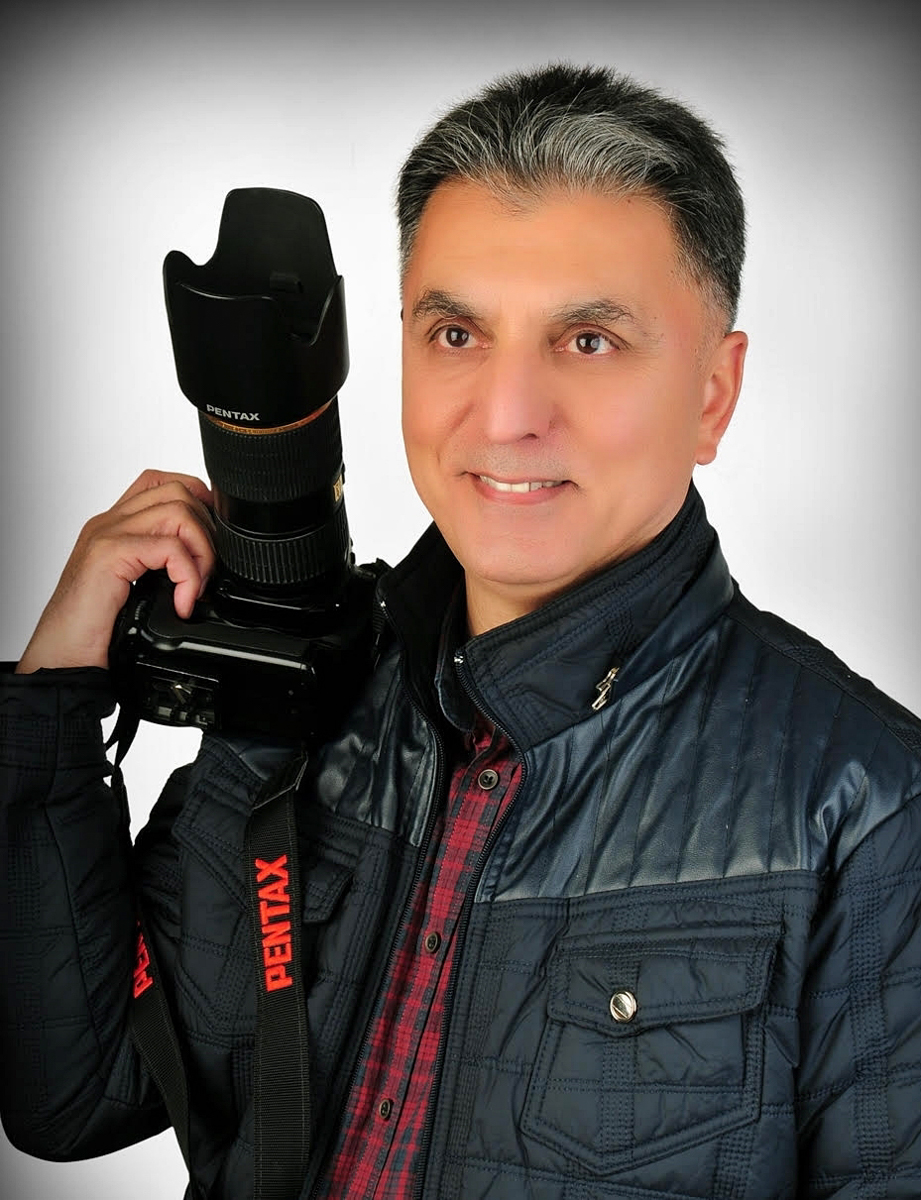
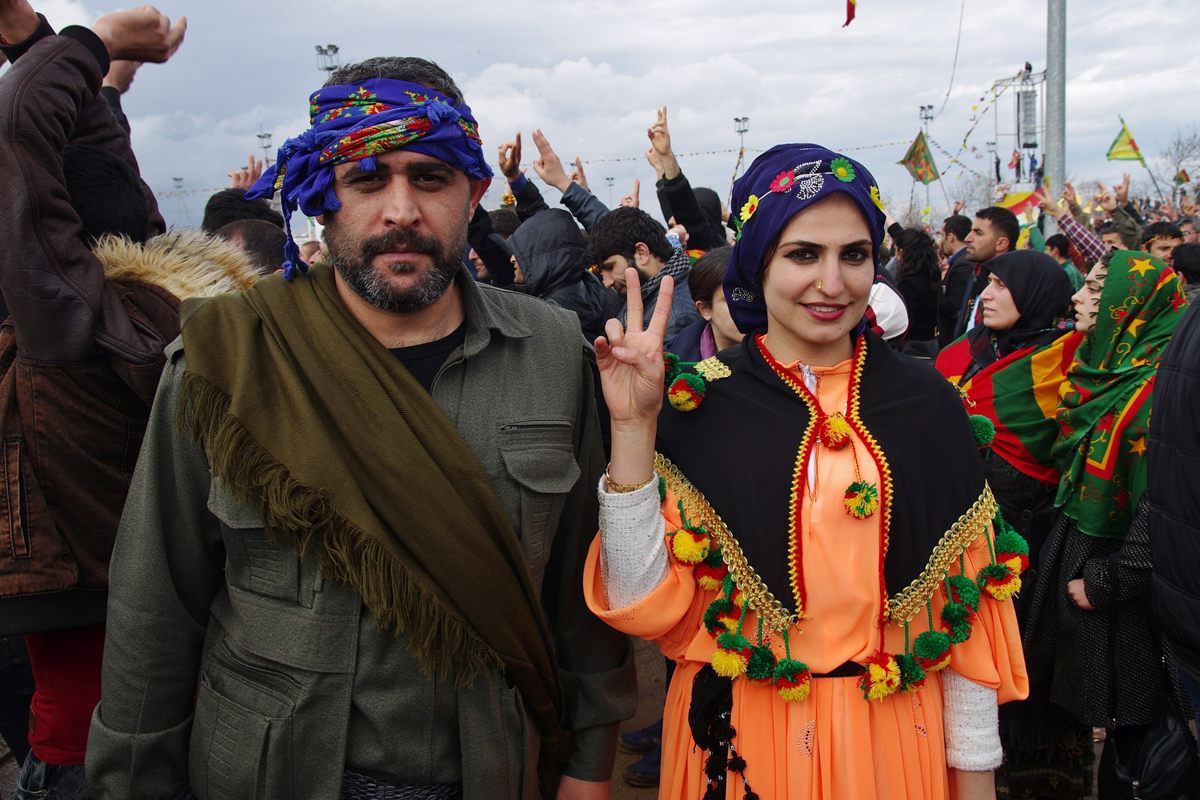
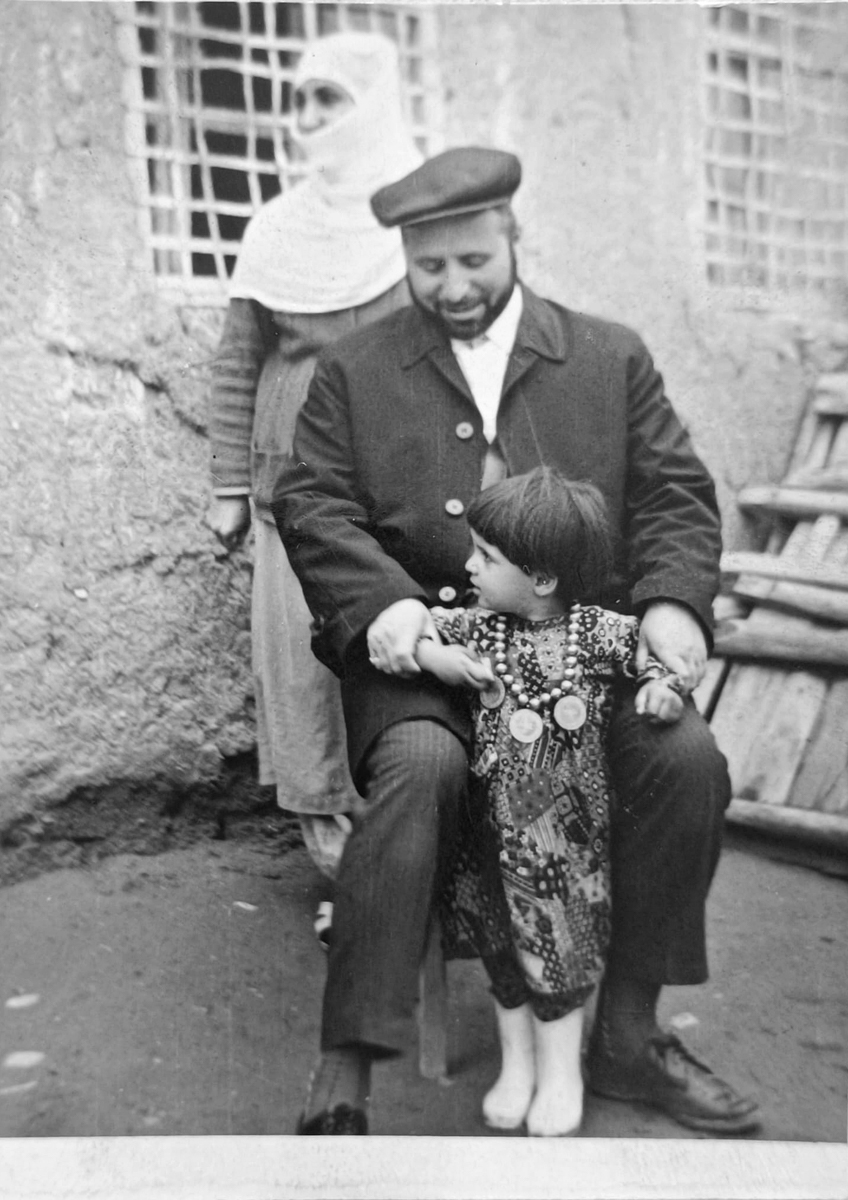
I was born in 1957 in the village of Surgucu (Avina), in Mardin, Turkey. In 1970, when I was only 13 years old, I don't remember how I came into possession of a camera. It was a mirrored camera that held 6x6cm roll film and was viewed from above. Of course, the first photos I took with this camera were of my family, and they remain the most valuable in my archive. That's how I was introduced to cameras and photography, and I've never been without one to this day. Between 1974 and 1993, I worked as a reporter and editor for several newspapers and news agencies. My connection to photography continued throughout these years as a reporter. In the early 2000s, I turned my attention to documentary and art photography. In 2017, I was awarded the AFIAP (Artist) title by the International Federation of Photographic Art (FIAP), and in 2018, the EFIAP (Excellent Artist) title. To date, I have earned 42 awards from international photography institutions and served as a jury member in 32 international competitions. I hold numerous awards from international competitions. I have held 12 solo exhibitions in the United States, Belgium, Iraq, and Turkey. I live in the city of Diyarbakir. For the past three years, I have also been a photojournalist for the Hong Kong-based SO-PA Images photography agency, documenting the activities of the Kurdish political and cultural movement in Turkey and sharing them with the international press through my agency.
What truly moves and inspires you as an artist?
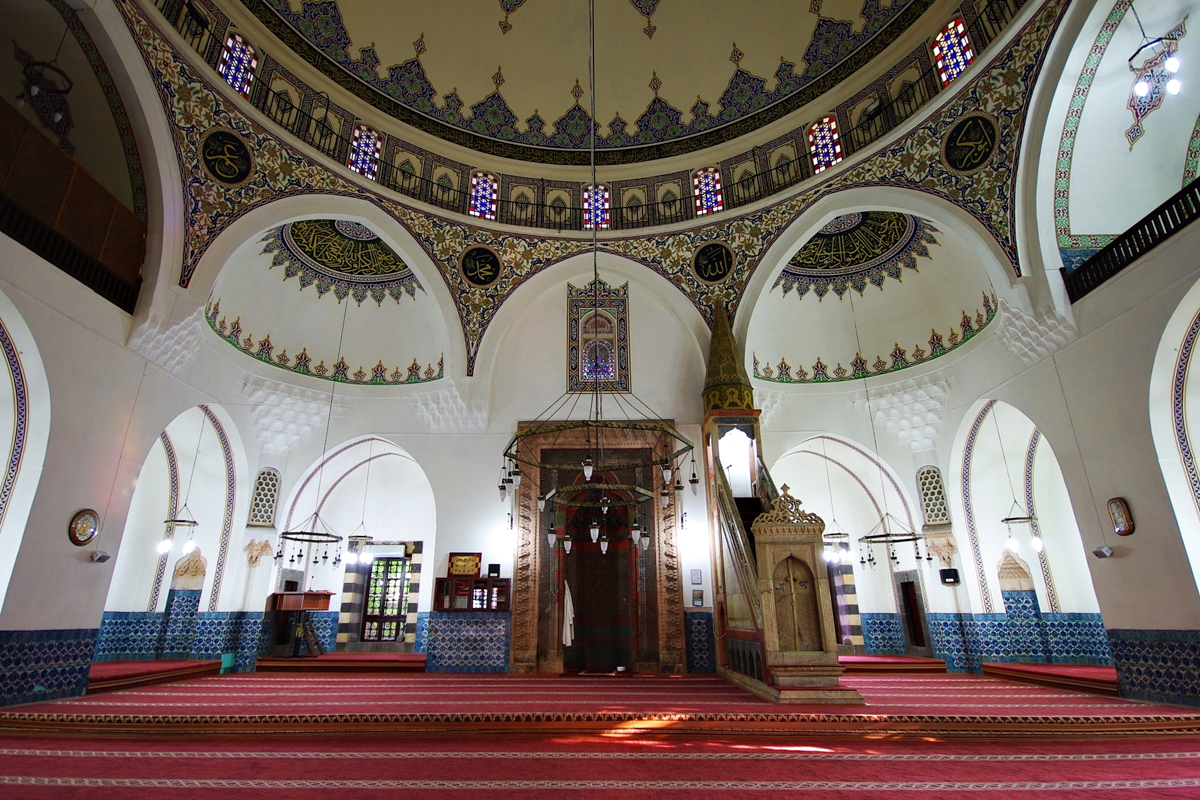
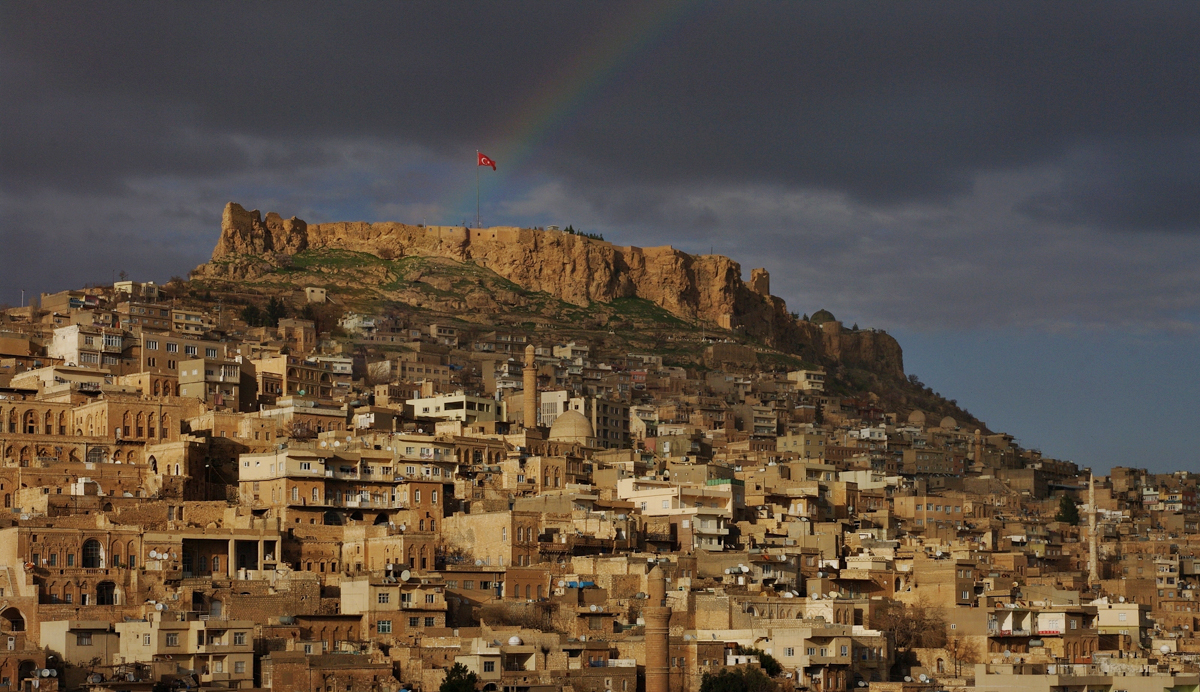
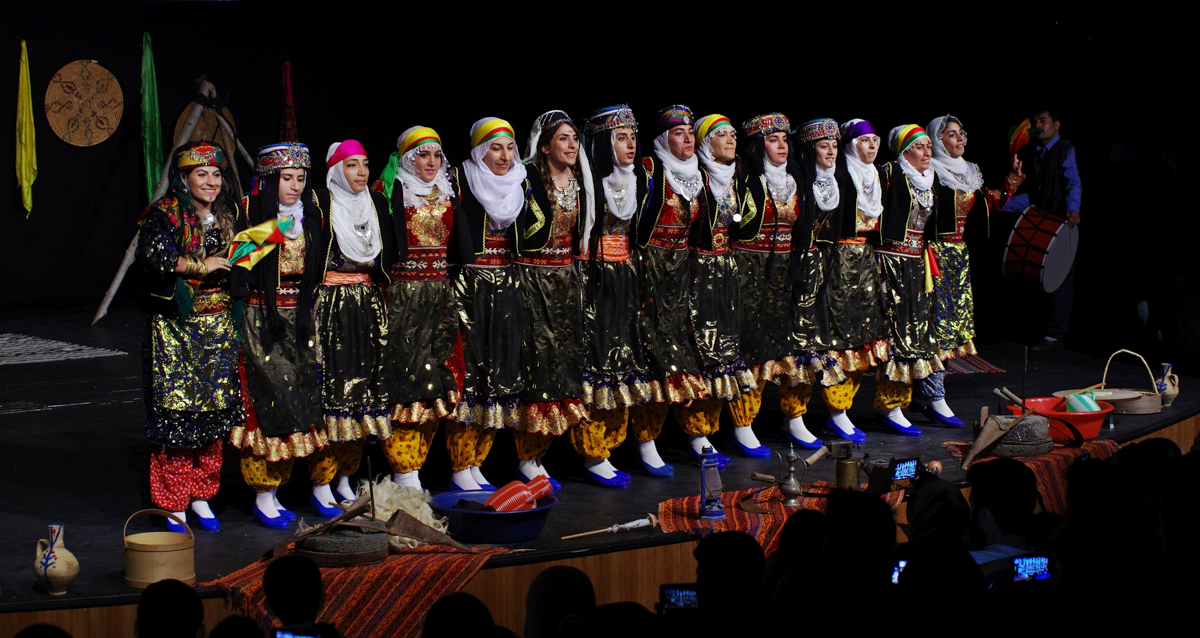
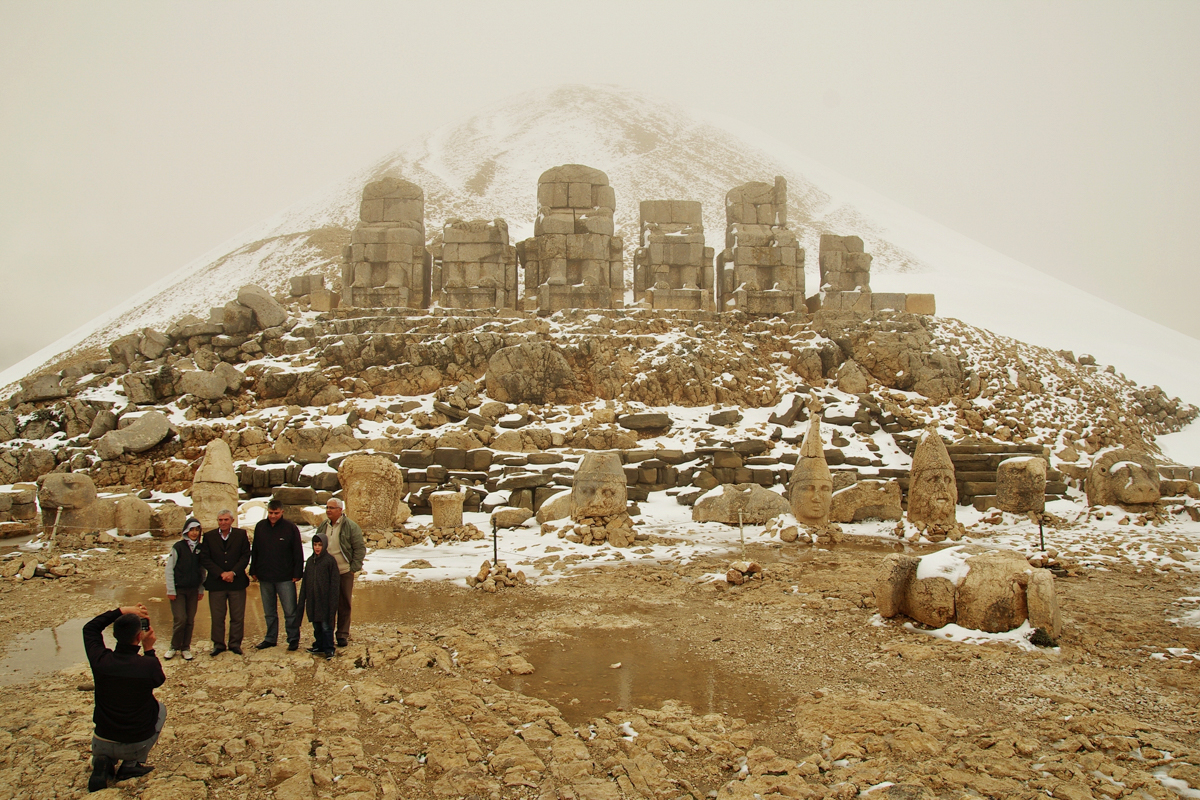
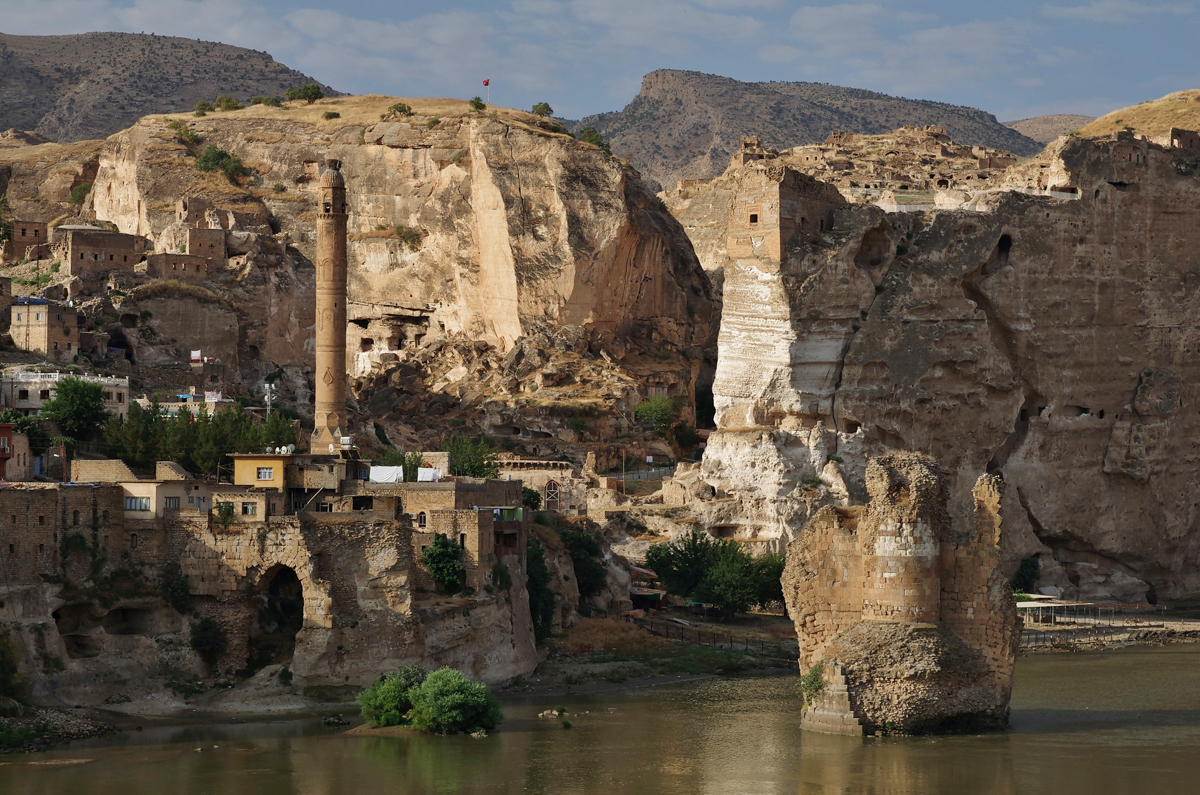
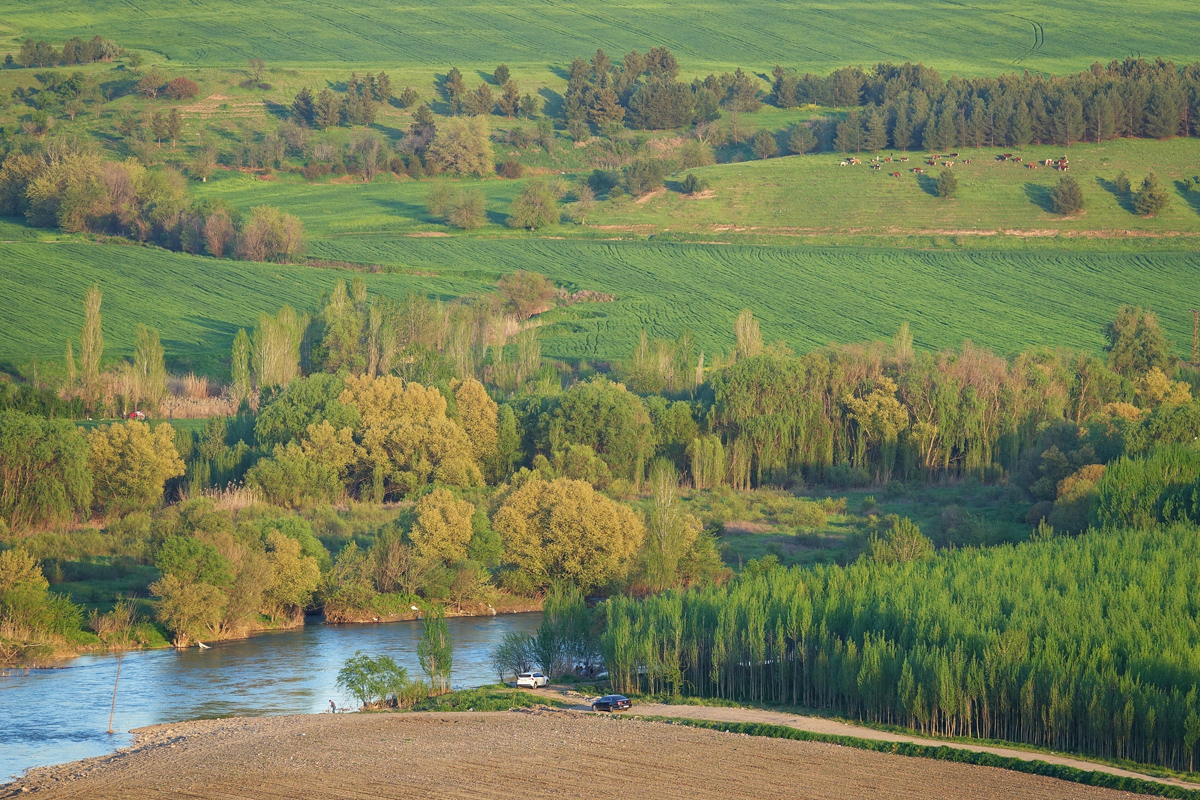
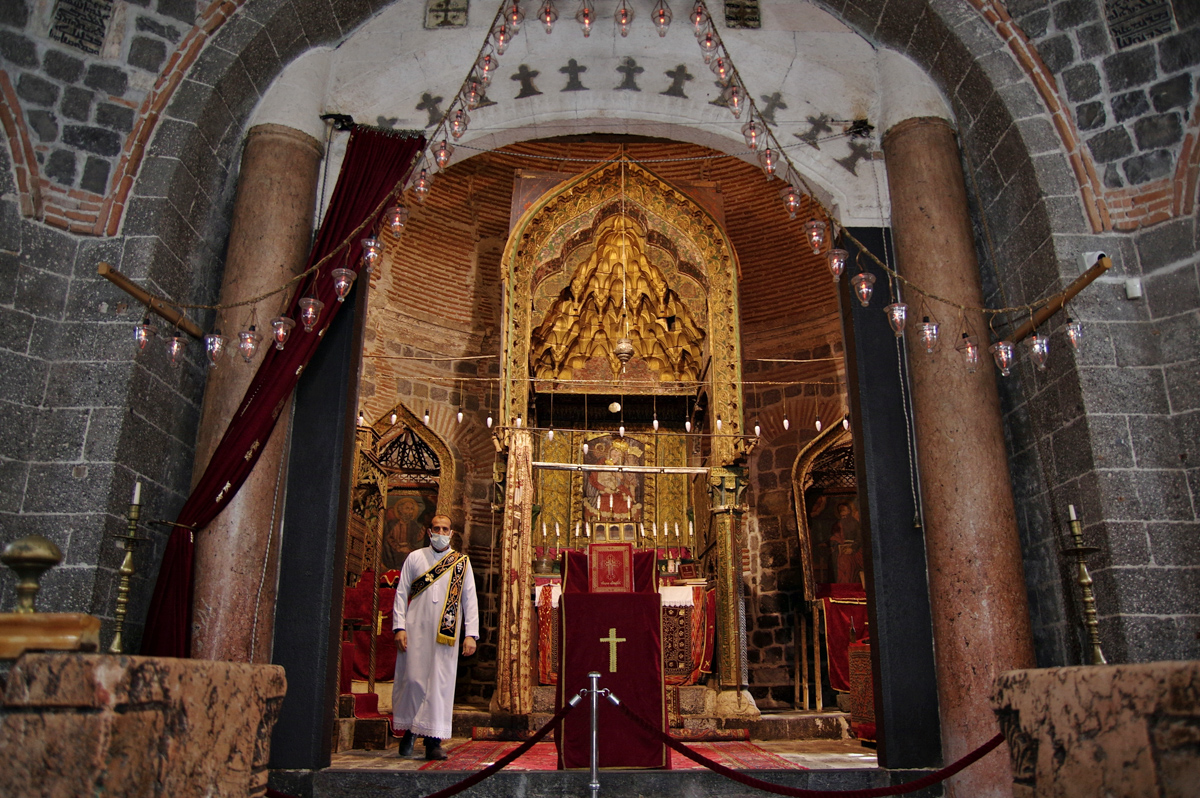
When I first began documentary photography, I was drawn to historical buildings like palaces, mosques, churches, and historical cities in our region. However, in the last 20 years, when I turned to art photography, Kurdish culture and art have influenced and motivated me. I draw much of my inspiration from the culture of my people. As a special project, I also take portraits of famous Kurds from all walks of life. I have portraits of over 200 famous Kurds in my collection. In 2015, when three old neighborhoods of Diyarbakir, the historic city where I lived, were completely destroyed in a clash between Turkish security forces and militants of the Kurdish armed organization, the Kurdistan Workers' Party (PKK), I experienced a profound disruption in my life, a shock, and I was deeply saddened. During these years, I began nature photography as a way of psychological relief. This inclination was spontaneous, not involuntary. I photograph the landscape and all the animals that inhabit the Hevsel Gardens, a UNESCO World Heritage Site located right next to our city. I frequently share the particularly interesting animal photographs I take from the Hevsel Gardens with the press and media, and I give interviews. I'm sharing these posts to draw attention to the gardens and the diverse animals that live there, and to ensure their protection. So, I have three sources of inspiration now: Kurdish culture and art, historical buildings and cities, and the Hevsel Gardens.
How would you describe your photographic style, and how has it evolved over time?
I'm one of those who transitioned to digital photography after experiencing the black-and-white and color eras of analog photography. Despite all the conveniences offered by digital cameras and equipment, I want to take photos as if they were analog. I've never used Photoshop; I make minor adjustments with small, simple editing programs. I prefer unaltered, natural photographs. My subjects have changed over time, but my perspective on photography hasn't. I dislike and dislike photographs that have been overly manipulated with programs like Photoshop, both technically and aesthetically. These photos lose their texture. However, even with digital photography, I want to see and feel the natural plastic texture of analog photography. Furthermore, such photographs create a false perception of space and objects in the viewer. This is especially detrimental for photographs designed for documentary purposes. I studied art history and painting in my youth. Later, when I started journalism, I had to abandon painting. When I take photographs, I'm influenced by my art training in light, composition, and other elements, and my photographs often resemble paintings.
Who or what has had the biggest influence on your artistic vision?
My painter teacher, Ali Sevimli, from whom I received private art history and painting training during my youth, laid the foundations for my artistic vision. The landscape photographs taken by Turkish photographers Sami Güner and Ersin Alok in the 1970s were the first to influence me in photography. Photography wasn't as widespread as it is today, but we could see it on wall calendars and in some publications. Over the last 20 years, as I've shifted from documentary photography to artistic photography, I've observed the work of numerous photographers. I've tried not to be overly influenced and to develop my own style. Because when you're overly influenced, you can't create original work, and your personality doesn't develop.
What is your relationship with your camera and equipment?
I choose my camera based on my needs. I've never been particular about brand. The most important thing is that the camera I use meets my needs. I prioritize a quality lens over a camera. Years of carrying heavy equipment and gear have caused me back pain. I can no longer carry heavy objects. So, about five years ago, I looked for a lightweight camera that would meet all my needs. I settled on a compact camera weighing 1 kg. It has a fixed 24-600mm f/4 lens and can meet all my needs, from macro to landscape and wildlife photography. I'm very happy with my camera. In my early years as a photographer, I used wide-angle lenses in the 10-20mm range, but for the past 10 years, I haven't used a lens wider than 24mm. Because, as I mentioned, wide-angle lenses, especially in documentary photography, distort the image's perception of reality and misinform the viewer. I don't use filters because they impair color accuracy. This is also why I don't use flash unless absolutely necessary.
What’s the story behind your winning photograph?
I took my photograph, which won the Bronze Medal in News Photography, during the earthquake that affected numerous cities in southeastern Turkey on February 6, 2023, causing tens of thousands of deaths. My hometown of Diyarbakir was also severely affected by the earthquake. My photograph shows the state and rescue efforts of the seven-story Hisham apartment building, which collapsed completely in the earthquake, killing 100 people and injuring 32. The photograph shows the floors stacked on top of each other, with only a small gap between them.
What was the most important decision you made when creating this image?
When taking this photo, I naturally made sure it would capture the collapsed building and the rescue effort in the most compelling and impactful way possible. The image of the floors piled up like dominoes was particularly poignant and striking. This was because these photos were to be distributed to the world's media through SO-PA Images, the international photo agency where I work as a photojournalist. Indeed, this award-winning photo was used in news reports by numerous media outlets worldwide.
How did you use light, composition, or emotion to bring your vision to life?
In these kinds of instant news photos, you have to use the lighting that's available at the time. The light doesn't change because you can't change your shooting location. The key is to stand at the spot that best conveys your subject and create the best composition. When creating the composition, I made sure to include the stacked floors, the rescue workers in the ruins, and the surrounding security measures.
What do you hope people feel or think when they see this photo?
When people see this photo, I wanted them to think about how devastating a natural disaster an earthquake is and take precautions accordingly.
What does photography mean to you on a personal level?
I worked as a journalist and wrote news for 20 years of my life. However, I believe that photography has a much greater power of expression and impact than writing. I believe photography is the most effective form of communication. I use my photographs as a tool to introduce my nation's culture, art, and lifestyle to the world. Therefore, for me, photography is a beekeeper for expressing my feelings, thoughts, and expectations—in other words, for expressing myself.
What message or idea do you want your work to communicate to the world?
I want my bronze medal-winning earthquake photo to convey the idea of being careful about earthquakes and taking the necessary precautions in advance.
What was your first reaction when you found out you won a NIPA award?
When I heard about the NIPA competition, I realized that it was a serious competition, with a strong organization and jury. Of course, I was delighted and honored to win an award at such an event.
What are your upcoming projects or dreams for the future?
The worsening economic situation and rising inflation in Turkey, especially in recent years, are unfortunately negatively impacting my work, as well as that of many of my friends. Due to these dire circumstances, I cannot develop new projects or hold exhibitions. I cannot afford equipment replacements or travel. If the conditions are right, I would like to travel to the Kurdistan regions of Iraq and Iran to document both the historical structures and cities, as well as the daily lives of the Kurdish people living there.
What are your thoughts on NIPA, and is there any suggestion or idea you’d like to share to help us make it even better in the future?
I think NIPA is an excellent organization. Its first competition was a huge success. I congratulate the organization and the jury members. I hope the following years will be similarly successful.
I worked as a journalist and wrote news for 20 years of my life. However, I believe that photography has a much greater…
Images from the Photographer

Sorry, the comment form is closed at this time.