

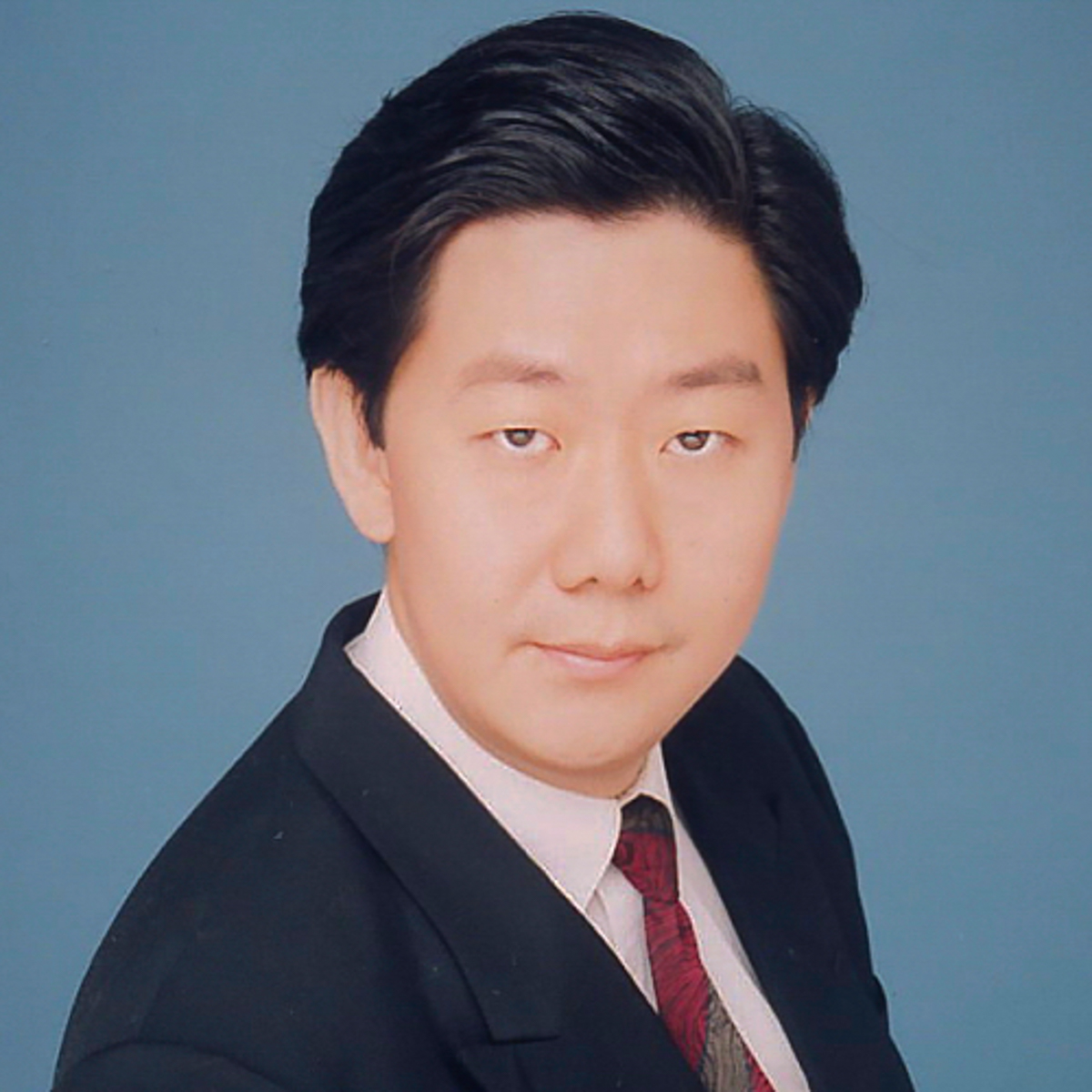
31 May Interview: Ken Ang
KenAng
Photographer
My journey into photography was born out of a natural progression from my years in the creative advertising industry. As a former Creative Director with agencies such as Grey, J. Walter Thompson, Bates, Dentsu, and AKQA, I spent decades crafting visual…
NIPA Featured Artist
Photography is my language of truth. It gives me the freedom to express thoughts, philosophies, and emotions that…
A conversation with Ken Ang.
My journey into photography was born out of a natural progression from my years in the creative advertising industry. As a former Creative Director with agencies such as Grey, J. Walter Thompson, Bates, Dentsu, and AKQA, I spent decades crafting visual…
The Interview
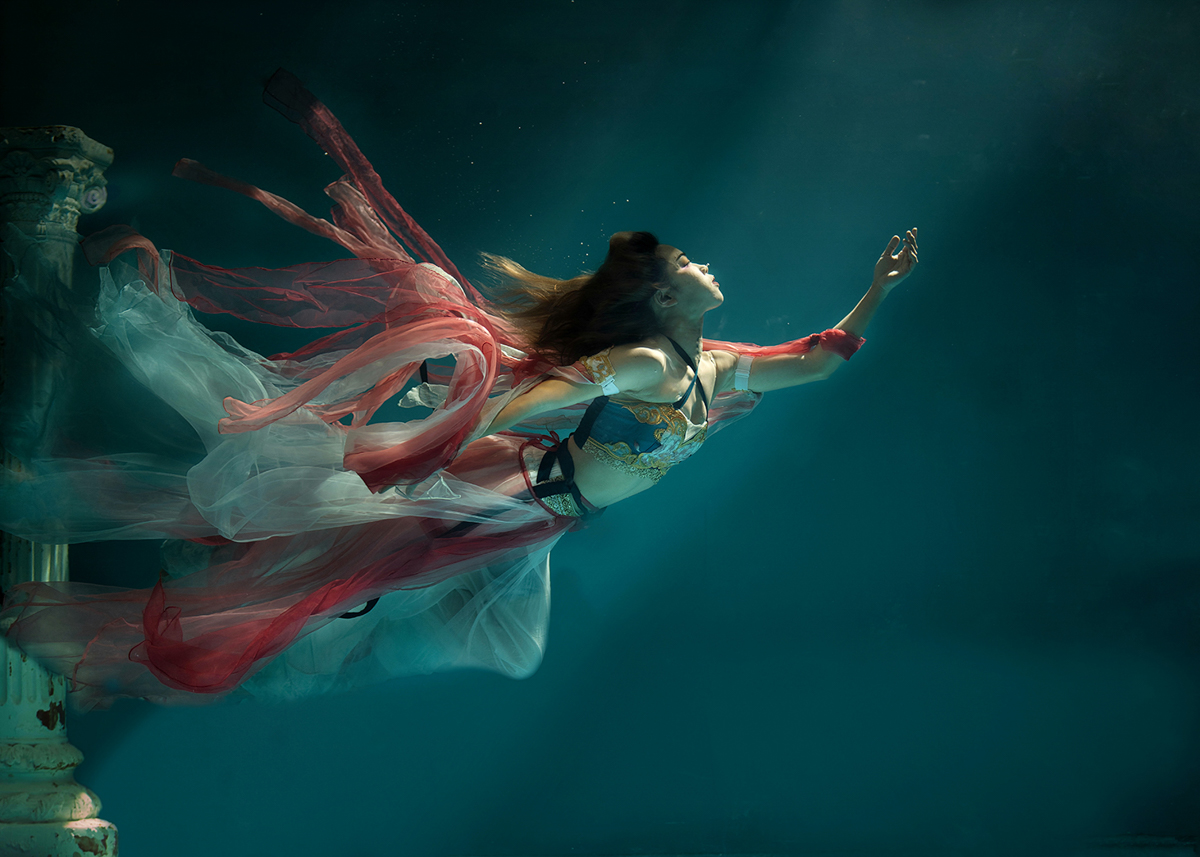
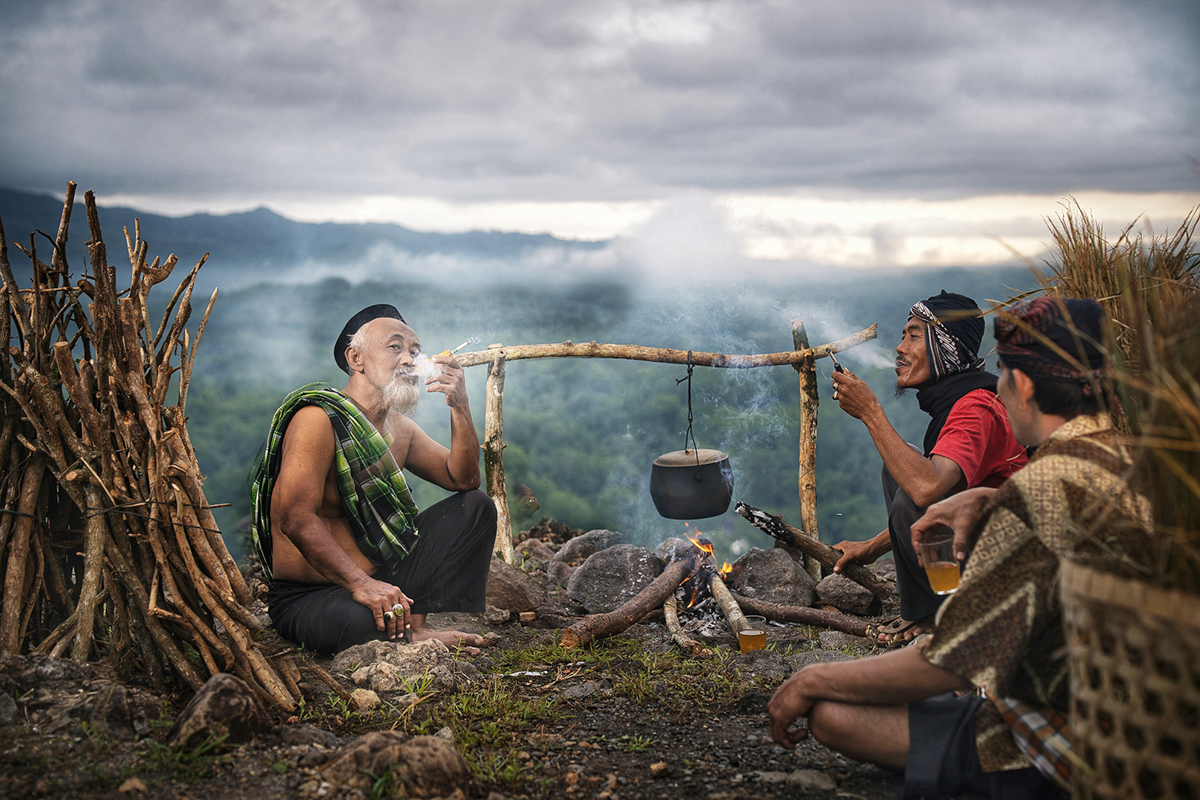
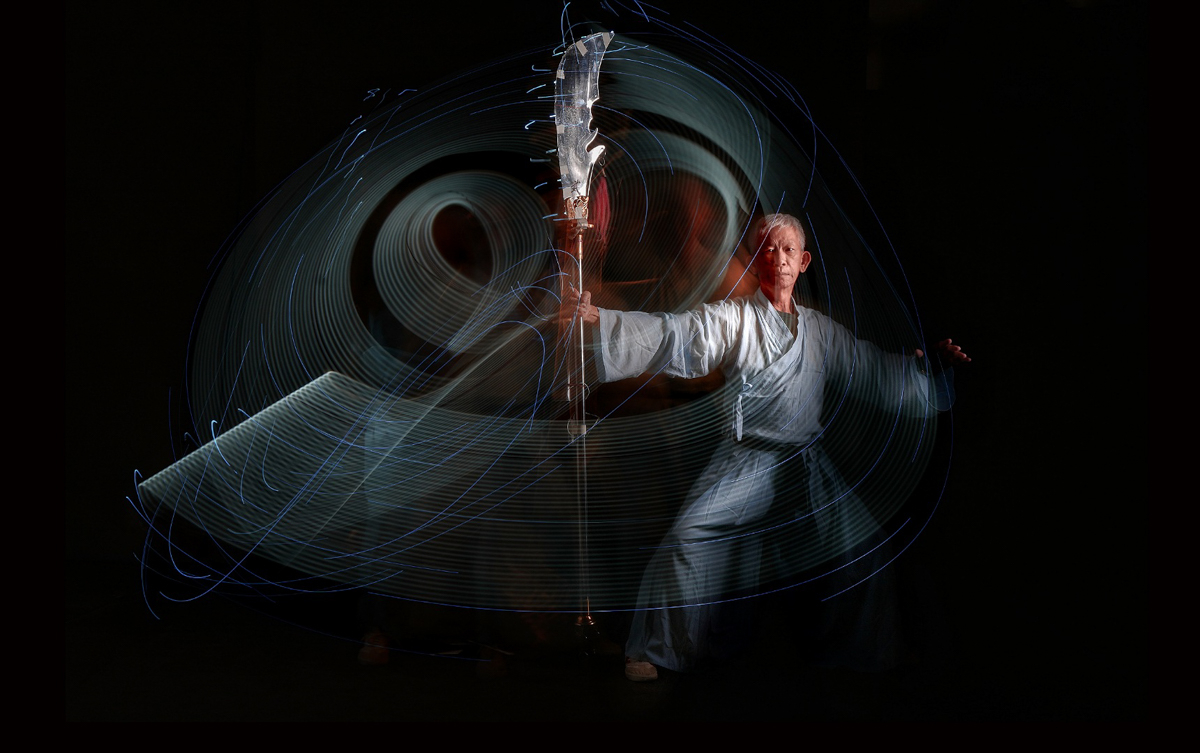
This NIPA feature brings together the artist’s reflections, selected works, and visual material in a long-form interview format.
Can you tell us how your journey into photography began?
My journey into photography was born out of a natural progression from my years in the creative advertising industry. As a former Creative Director with agencies such as Grey, J. Walter Thompson, Bates, Dentsu, and AKQA, I spent decades crafting visual narratives and emotional stories for brands. Photography became an extension of that storytelling — a more personal and expressive medium where I could finally translate ideas without words or client briefs. What started as a passion evolved into an obsession with light, emotion, and the art of freezing time itself.
What truly moves and inspires you as an artist?
I’m deeply moved by the interplay between light and emotion — the way a fleeting gesture, shadow, or glance can communicate what words never could. My inspiration comes from life itself — human resilience, dreams, and the quiet poetry found in imperfection. I’m also drawn to cinematic moods, surreal concepts, and the fine balance between reality and imagination.
How would you describe your photographic style, and how has it evolved over time?
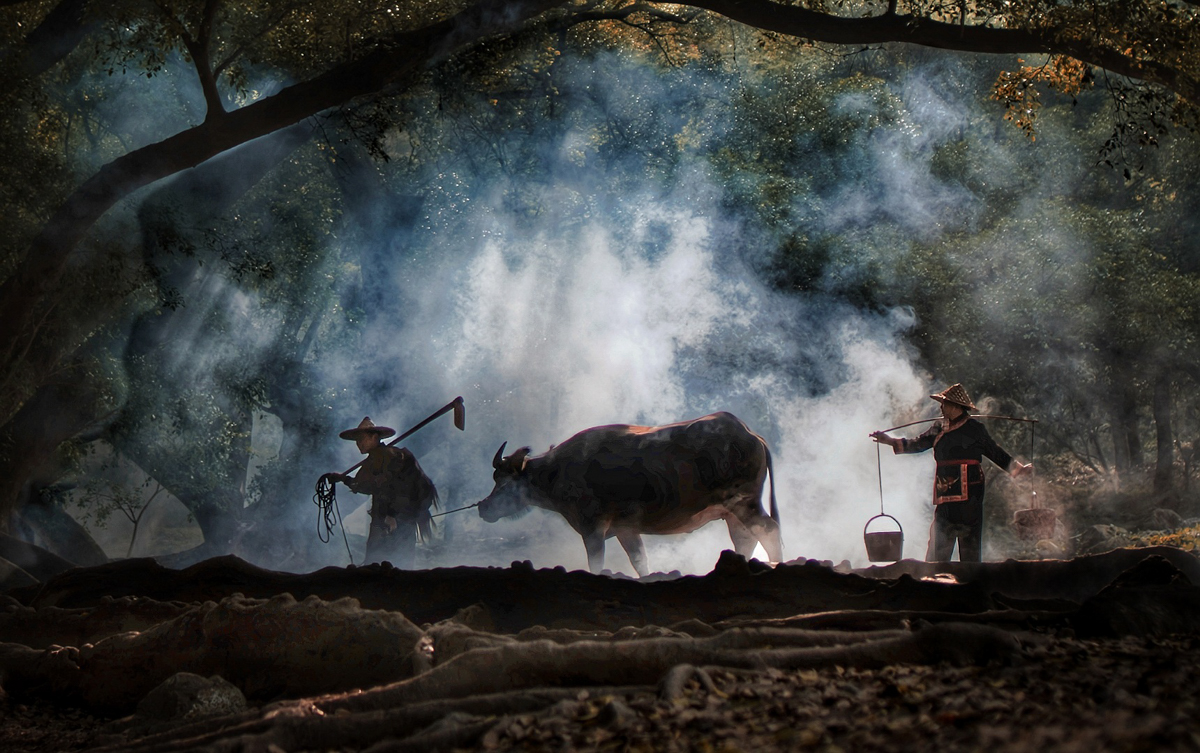
My style is bold, conceptual yet emotive — I call it Narrative Art. Every image I create is not just about what is seen, but what is felt. Over time, I’ve evolved from documenting moments to designing them — using light, composition, and symbolism to express an idea or provoke thought. I started with traditional portraiture and landscapes, but my style has matured into more experimental, often surrealistic compositions that blur the line between photography and visual art.
Who or what has had the biggest influence on your artistic vision?
The biggest influence has been my years in advertising — learning how visual storytelling can evoke emotion, desire, or reflection. Masters like Annie Leibovitz, Helmut Newton, and Steve McCurry have also shaped how I see human stories and atmosphere. But more than anything, I’m influenced by people — their stories, emotions, and unspoken dreams.
What is your relationship with your camera and equipment?
My camera is more than just a tool — it’s an extension of how I think and feel. I shoot primarily with Sony cameras for their precision and dynamic range, but what truly matters is how the equipment translates emotion into pixels. Every lens, every light source becomes a brush in a larger painting. The camera helps me articulate what words can’t.
What’s the story behind your winning photograph?
“In the Belly of the Fish” was captured in Xiapu, China, a region celebrated for its tidal mudflats and ancient fishing traditions. At low tide, the sea retreats to reveal breathtaking natural patterns — vast, organic curves sculpted by both water and human hands. From above, these fish traps resembled the ribcage or belly of a giant fish, with a lone fisherman quietly navigating through its form. The image became a visual metaphor for human existence within nature’s vast body -how we live, work, and breathe within a larger organism that sustains us. It’s not merely a documentation of a landscape, but a reflection on our interdependence with the environment, where man and nature move in silent rhythm and mutual respect.
What was the most important decision you made when creating this image?
The most important decision was to shoot from an elevated, almost contemplative perspective that revealed the grand organic design of the mudflats. From ground level, the scene appeared ordinary — but from above, the intricate structure unfolded like the anatomy of a living creature. Timing was equally critical. I chose to photograph during the early morning blue hour, when the soft, diffused light painted the scene in delicate hues of silver and blue. This subdued atmosphere allowed the patterns to emerge gracefully, transforming the landscape into an abstract artwork rather than a literal depiction. Including the small fisherman was deliberate — he anchors the image with scale, solitude, and humanity.
How did you use light, composition, or emotion to bring your vision to life?
I relied on minimalism, symmetry, and tonal harmony to express calm and balance. The composition flows diagonally, echoing the rhythm of waves and the natural grace of a fish’s internal structure — hence the title. The soft pre-dawn light provided a gentle emotional tone, avoiding harsh contrasts and instead embracing a painterly subtlety that evokes contemplation. Emotionally, I wanted the viewer to feel suspended between reality and abstraction — to sense both the serenity of the scene and the underlying pulse of life beneath the surface. Every line and curve in the composition leads inward, drawing the viewer “into the belly” — into nature’s quiet heartbeat.
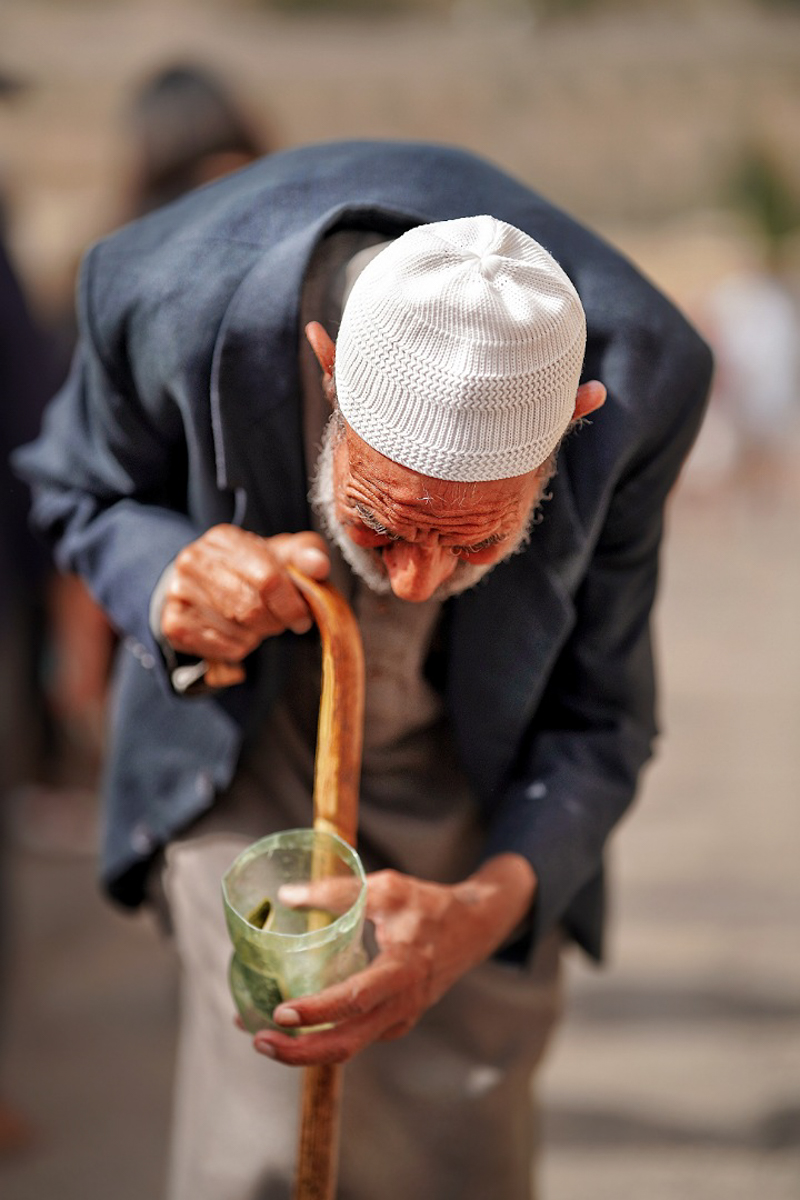
What do you hope people feel or think when they see this photo?
I hope this image evokes a sense of wonder and humility — a reminder that humanity is part of nature’s grand design, not separate from it. The fisherman’s presence within the vast, vein-like forms is symbolic of our place in the natural order — small, yet deeply connected. When people see “In the Belly of the Fish,” I want them to pause and reflect on the beauty of coexistence — how the simplest acts of daily life, like fishing or farming, are part of an eternal rhythm between man and the Earth. Ultimately, I hope the image inspires viewers to see nature not as a resource to be used, but as a living canvas we inhabit together.
What does photography mean to you on a personal level?
Photography is my language of truth. It gives me the freedom to express thoughts, philosophies, and emotions that transcend words. It’s both my meditation and my rebellion — a way to document not just what I see, but what I believe.
What message or idea do you want your work to communicate to the world?
That beauty lies not in perfection, but in the honest expression of humanity. Every scar, shadow, and imperfection tells a story worth hearing. Through my work, I want to remind people that emotion is timeless and that art can still move the soul in a digital world.
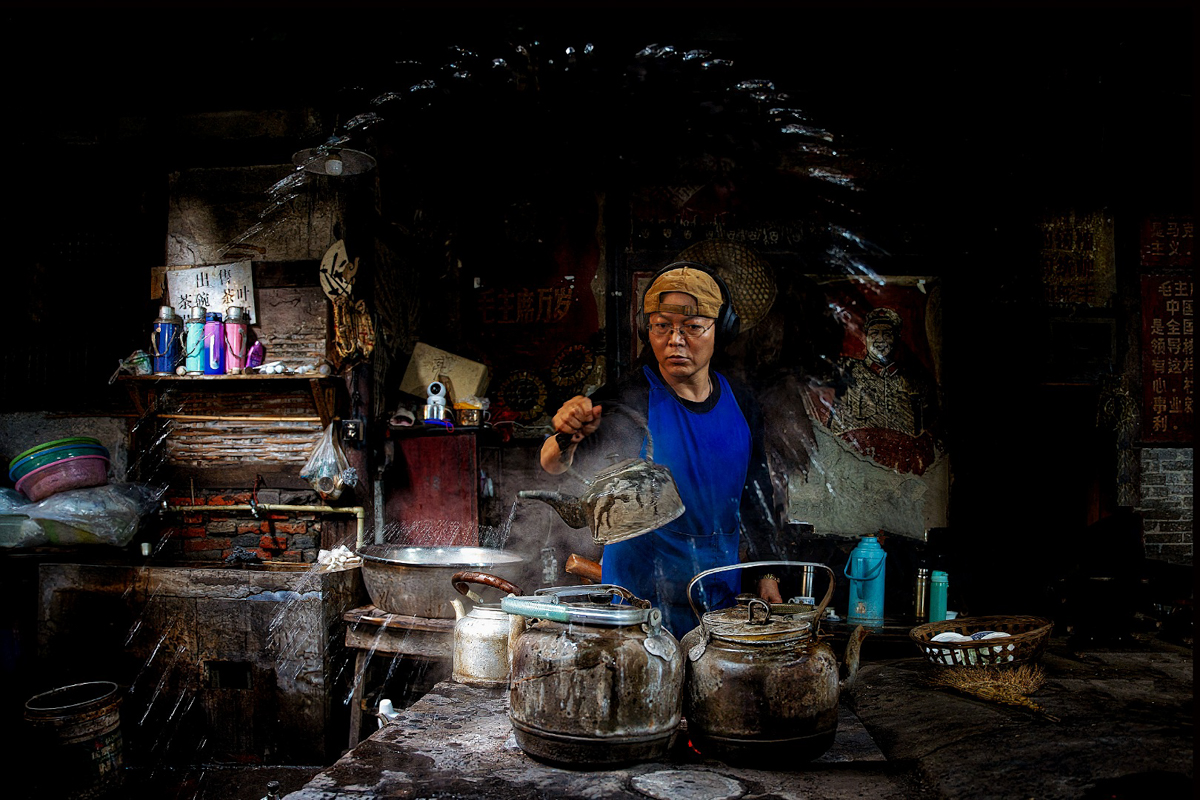
What was your first reaction when you found out you won a NIPA award?
I was humbled and grateful. It’s indeed humbling to know that something so personal resonated with others. Every award reminds me that emotion — when sincerely expressed — can transcend borders. It also reaffirms that creativity still has the power to unite and inspire across cultures. I am honored to be part of a community that celebrates visual storytelling
What are your upcoming projects or dreams for the future?
I’m currently exploring a conceptual series that merges fine art with environmental storytelling — highlighting disappearing cultures as well as humanity’s fragile relationship with nature. I also hope to mentor emerging photographers and eventually curate exhibitions that celebrate Asian photographic artistry on the world stage.
What are your thoughts on NIPA, and is there any suggestion or idea you’d like to share to help us make it even better in the future?
NIPA stands out for celebrating diversity in creativity — honoring not just technique but emotional resonance. I deeply appreciate the platform it provides for artists worldwide. My suggestion would be to include more mentorship and cross-cultural collaboration initiatives — connecting emerging photographers with established masters to inspire growth and creative exchange.
Photography is my language of truth. It gives me the freedom to express thoughts, philosophies, and emotions that…
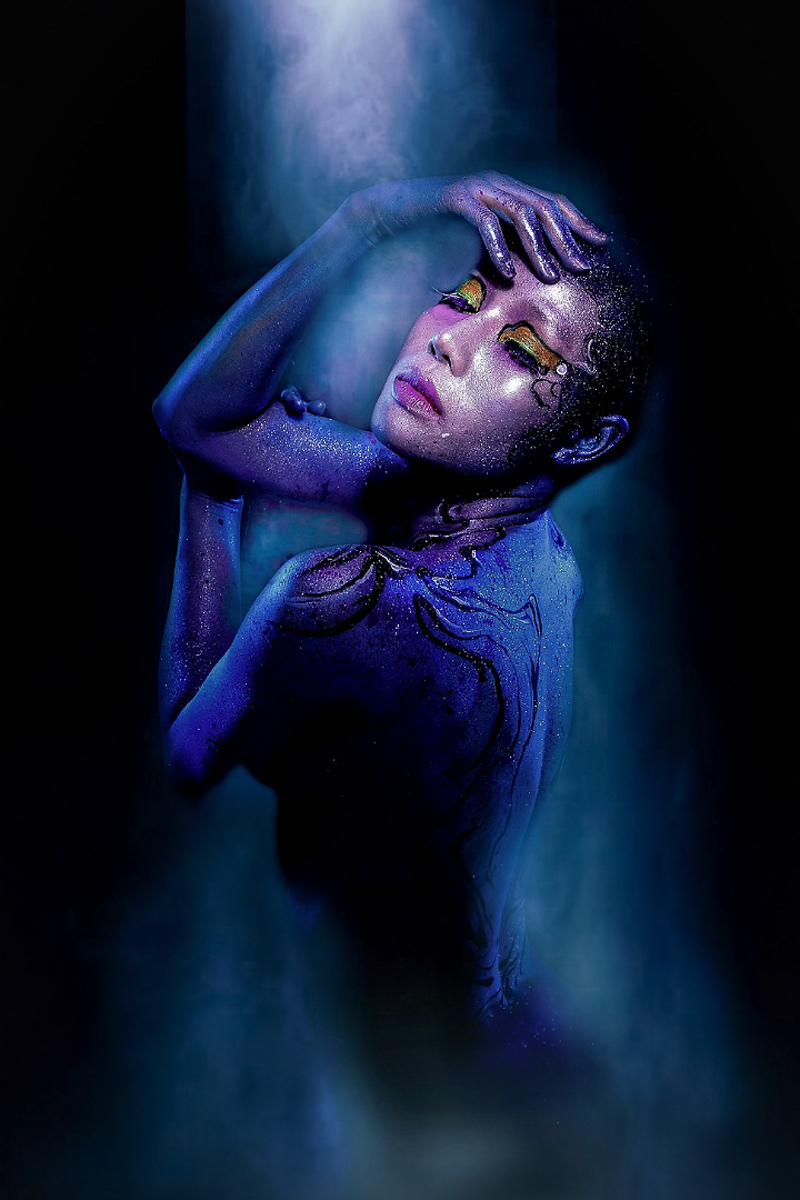
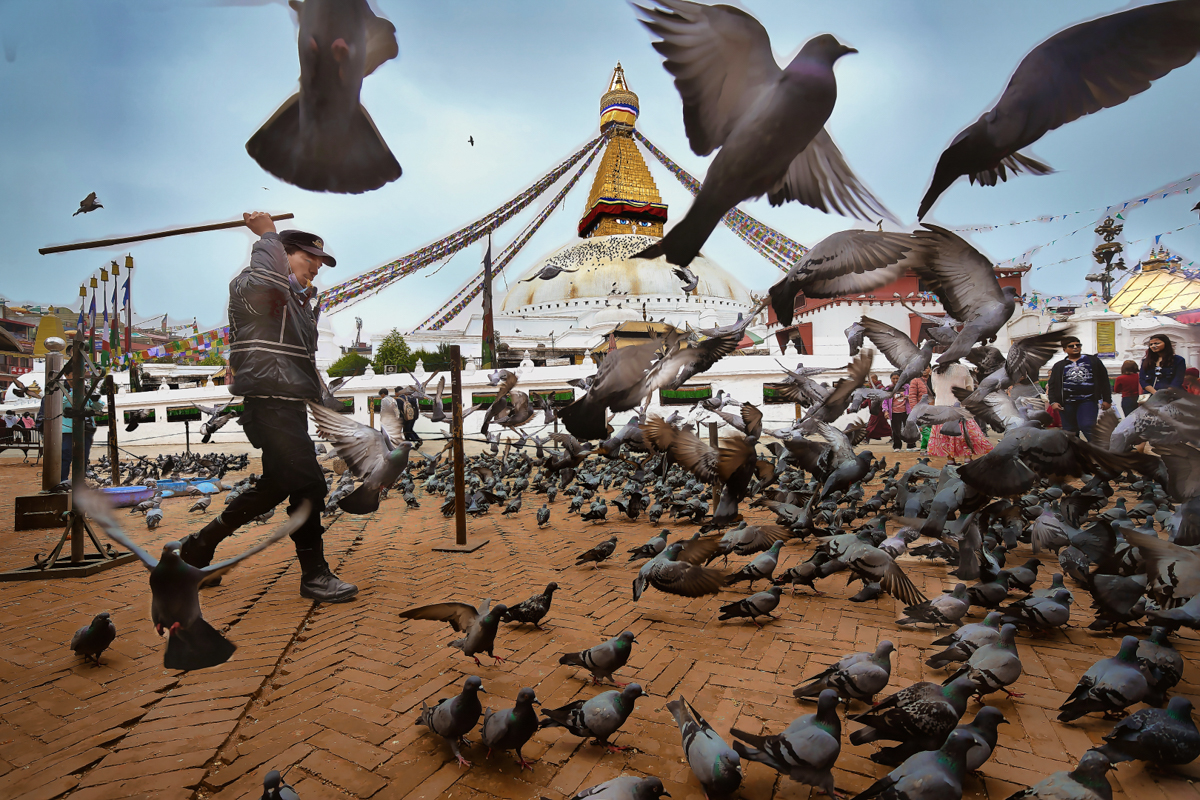
Images from the Photographer

Sorry, the comment form is closed at this time.