
31 May Interview: Ali Nejatbakhsh
AliNejatbakhsh
Photographer
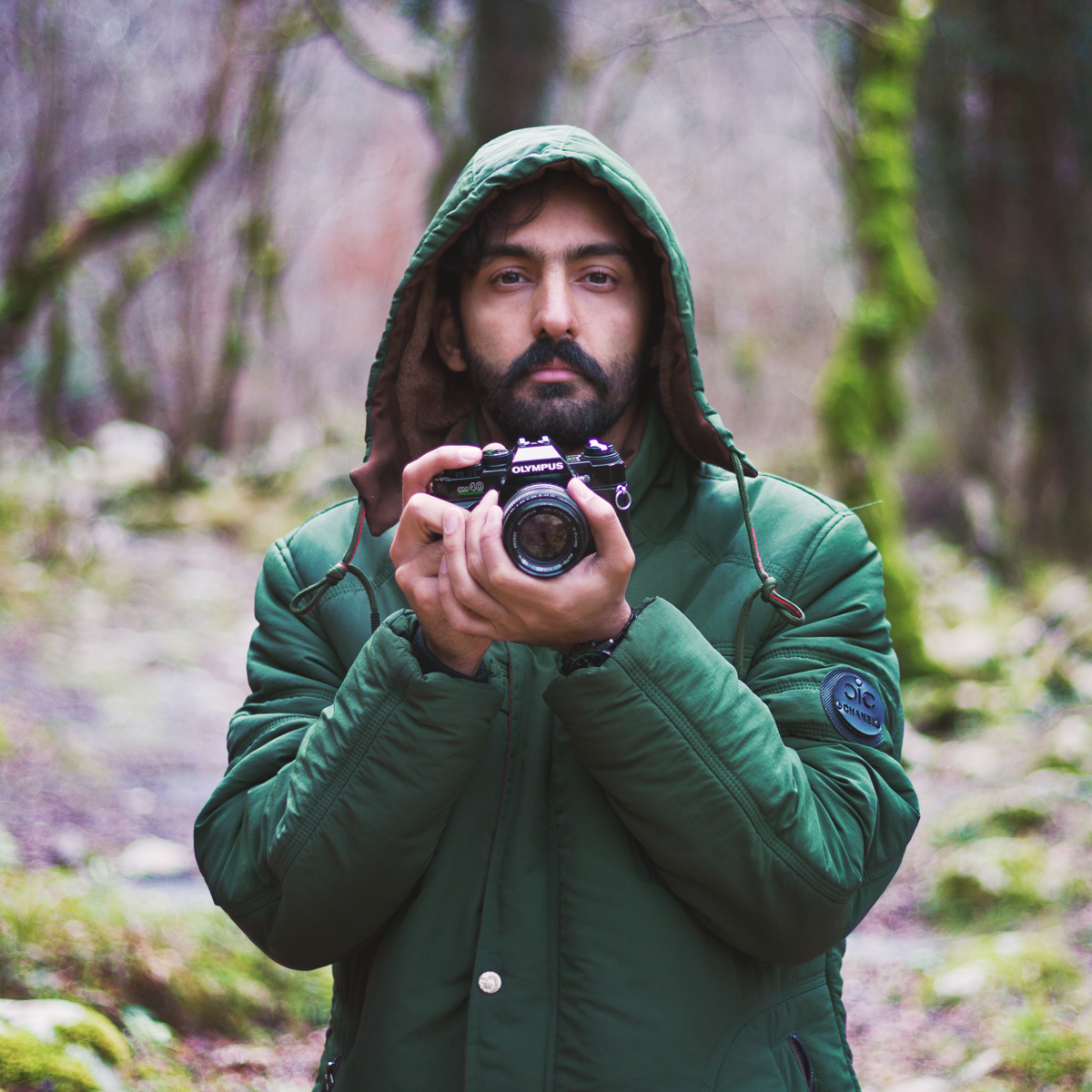
I’m Ali Nejatbakhsh. a photographer and photography instructor with an MFA from the University of Tehran. I actually stumbled into photography back in my undergrad years, when I got my hands on a small compact camera. And honestly, that was it I was hooked….
NIPA Featured Artist
For me, photography is a truly amazing medium. What else but photography can shift the way we see the world, even the…
A conversation with Ali Nejatbakhsh.
I’m Ali Nejatbakhsh. a photographer and photography instructor with an MFA from the University of Tehran. I actually stumbled into photography back in my undergrad years, when I got my hands on a small compact camera. And honestly, that was it I was hooked….
The Interview
This NIPA feature brings together the artist’s reflections, selected works, and visual material in a long-form interview format.
Can you tell us a little about yourself and how your journey into photography began?
I’m Ali Nejatbakhsh. a photographer and photography instructor with an MFA from the University of Tehran. I actually stumbled into photography back in my undergrad years, when I got my hands on a small compact camera. And honestly, that was it I was hooked. The whole idea of capturing a moment and freezing it in time just spoke to me on a different level. So I signed up for a photography course at the University of Isfahan about twelve years ago, and that pretty much set me on this path. I’ve been at it ever since and I haven’t looked back once.
What truly moves and inspires you as an artist?
I’m really into cinema. I pretty much try to catch the good films on their opening day. Seeing movies in cinemas all over different countries has left its mark on me. Some of the films I really love are The Lives of Others by Florian Henckel von Donnersmarck from Germany, It’s a Wonderful Life by Frank Capra from the US, and Tarkovsky’s Mirror from Russia. These films have stuck with me and shaped the way I look at images and storytelling.”
How would you describe your photographic style, and how has it evolved over time?
Of course, everyone has their own style, and I’m no exception. What I try to do is follow my personal concerns, while also experimenting a bit. I basically try to strike a balance between form and content. It’s definitely not easy, but I do my best within my limits.
Who or what has had the biggest influence on your artistic vision?
Honestly, I’d say a number of people have influenced me at different points in my career. At the start, it was my photography teacher. Then there was Yaser Arab, a friend and instructor at the University of Art in Isfahan. Later on, I found myself drawn to the styles of Abbas Attar and Robert Frank. For a while, Abbas Kiarostami also left his mark on me partly because of personal interest, his films, and his photography. And these days, I’d say Mehrafarin Mohajer’s perspective and way of thinking have had a subtle influence on me as well.
What is your relationship with your camera and equipment?
I’ve honestly fallen in love with my camera and all my gear! Most of my income goes straight back into photography, and a big chunk of that is usually on equipment. I have a bunch of cameras in different formats small, medium, and recently large and I’ve been diving into both analog and digital photography. It’s an experience I find incredibly enjoyable and fulfilling.
What’s the story behind your winning photograph?
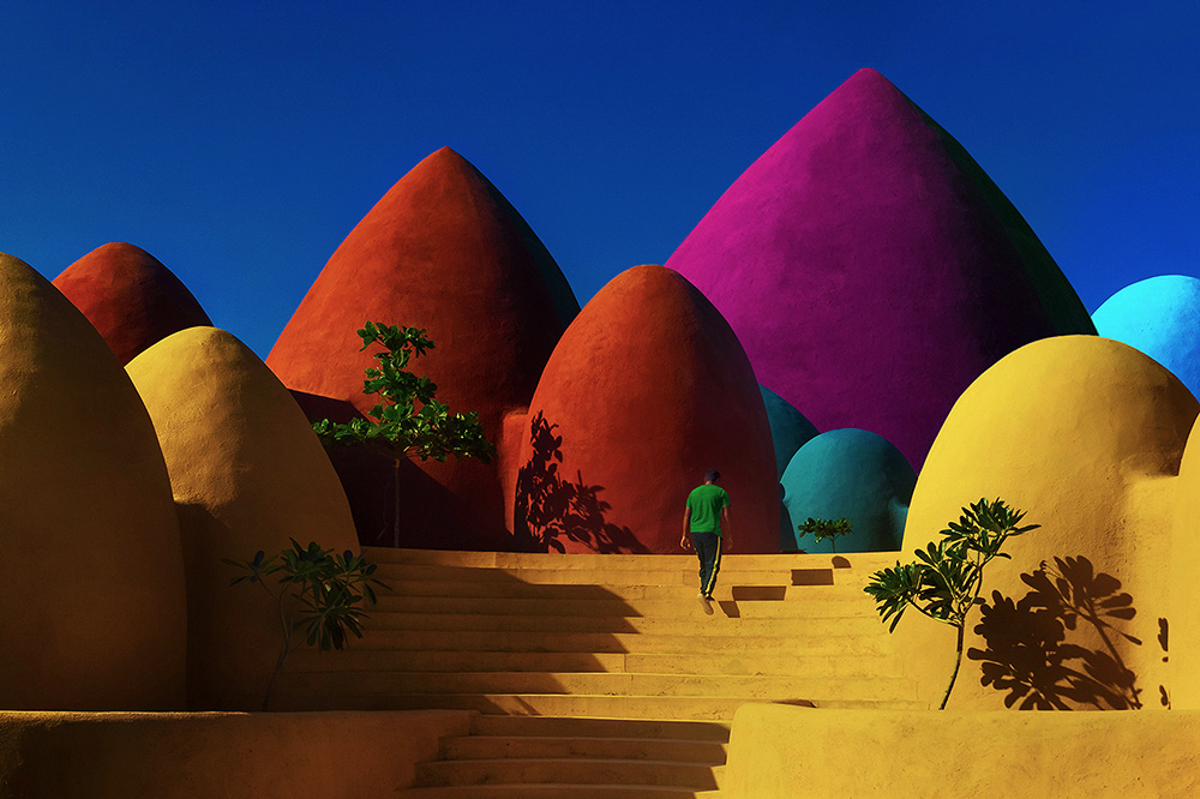
The story behind my selected photo is a bit long, but here’s the gist: we had a ball with us and went to a neighborhood in Isfahan, where we came across a bunch of kids. We immediately connected with them, handed them the ball, and they started playing football with real enthusiasm. Meanwhile, we began photographing. The shot I ended up choosing was taken right at the moment of a penalty kick. I think it came out the way it did thanks to the connection we had built with the kids beforehand, and a bit of my own playful experimentation with different and unique angles.
What was the most important decision you made when creating this image?
Choosing a good angle and avoiding clichés is definitely key for me. People usually say that shooting at noon isn’t ideal, but one of the strengths of this photo is its strong contrast which comes from the angle I picked, the timing of the light, and the way the subjects were backlit.
How did you use light, composition, or emotion to bring your vision to life?
Well, these choices really depend on the subject, my goal, the timing, and the feeling I have while shooting, so they can change from one shoot to another. That’s why there isn’t a fixed rule, but I generally consider all of these factors both before and during the shoot.
What do you hope people feel or think when they see this photo?
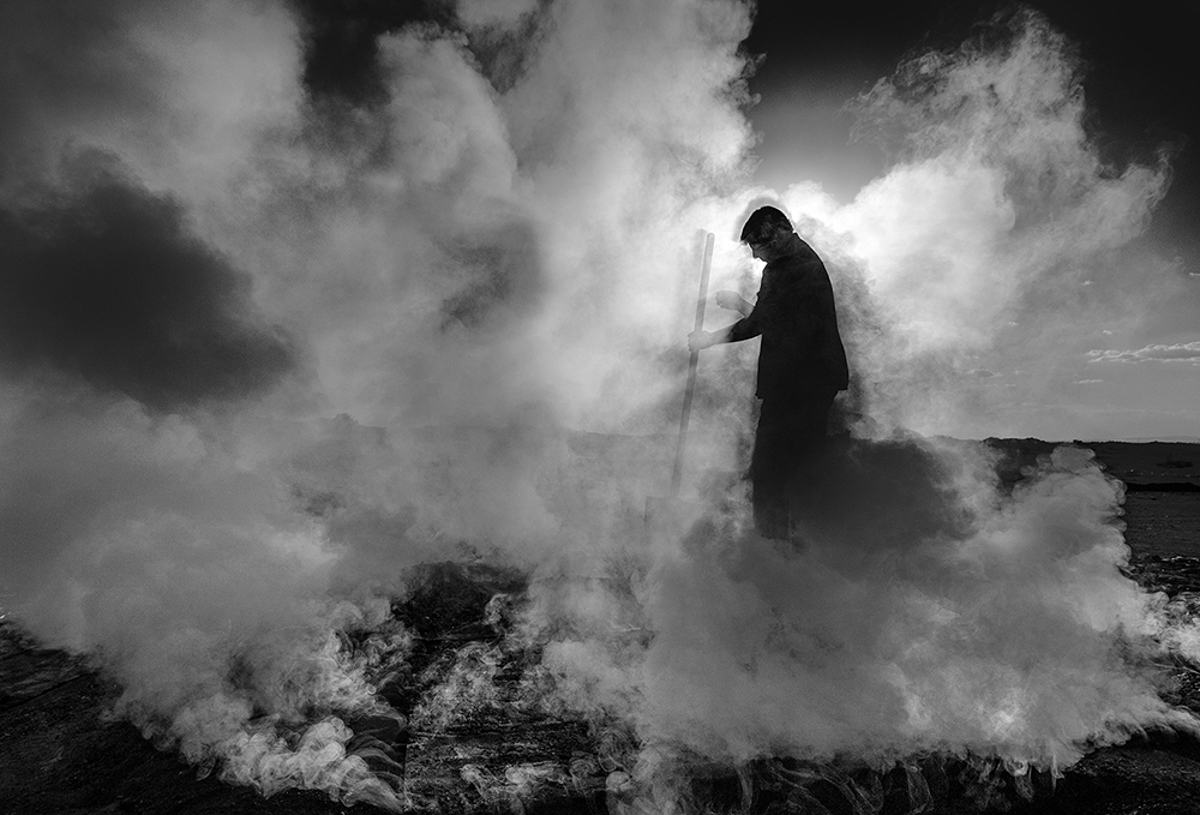
What I really care about is whether I’ve been able to translate emotions and words into an image, whether I can capture the feeling that’s there. Conveying and expressing emotions through photography is definitely a challenge for me, but it’s one that keeps me going.
What does photography mean to you on a personal level?
For me, photography is a truly amazing medium. What else but photography can shift the way we see the world, even the most ordinary things? What else can stop the passage of time, capturing everything and holding it on emulsion or a memory card in the digital world? It’s this power that keeps me fascinated and constantly coming back to the camera.
What message or idea do you want your work to communicate to the world?
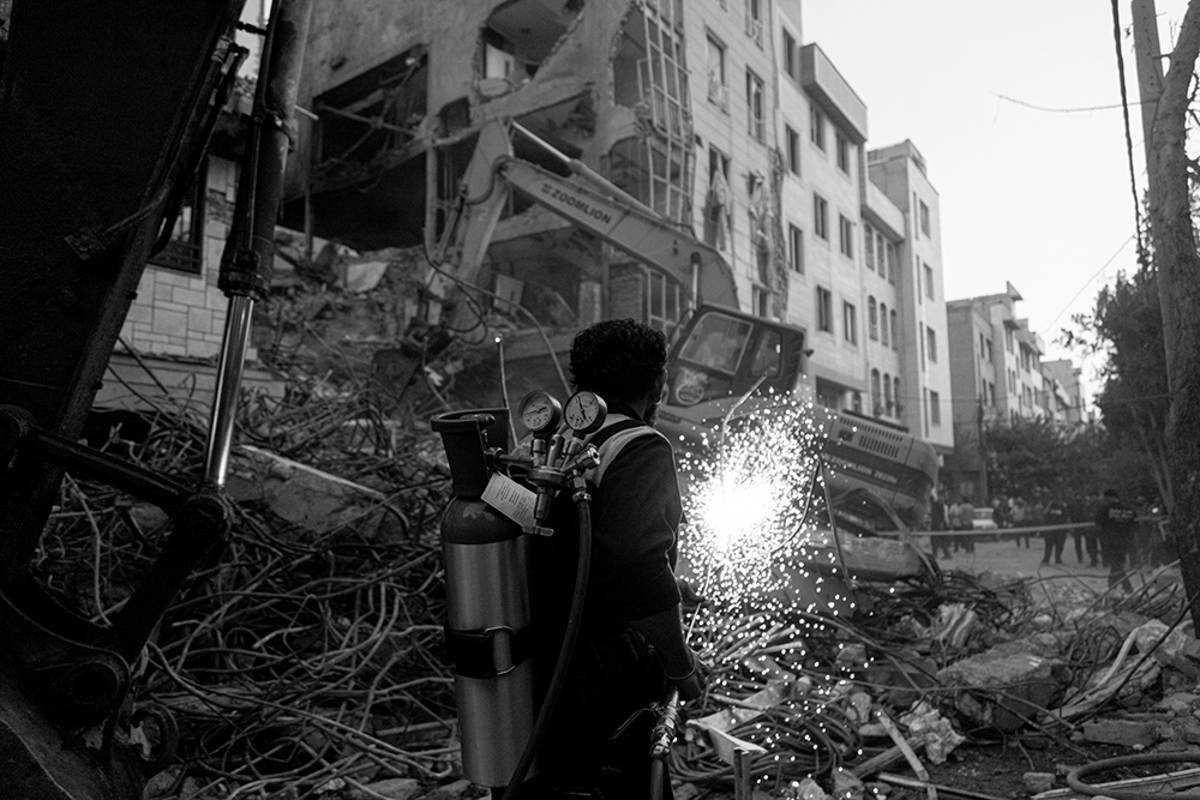
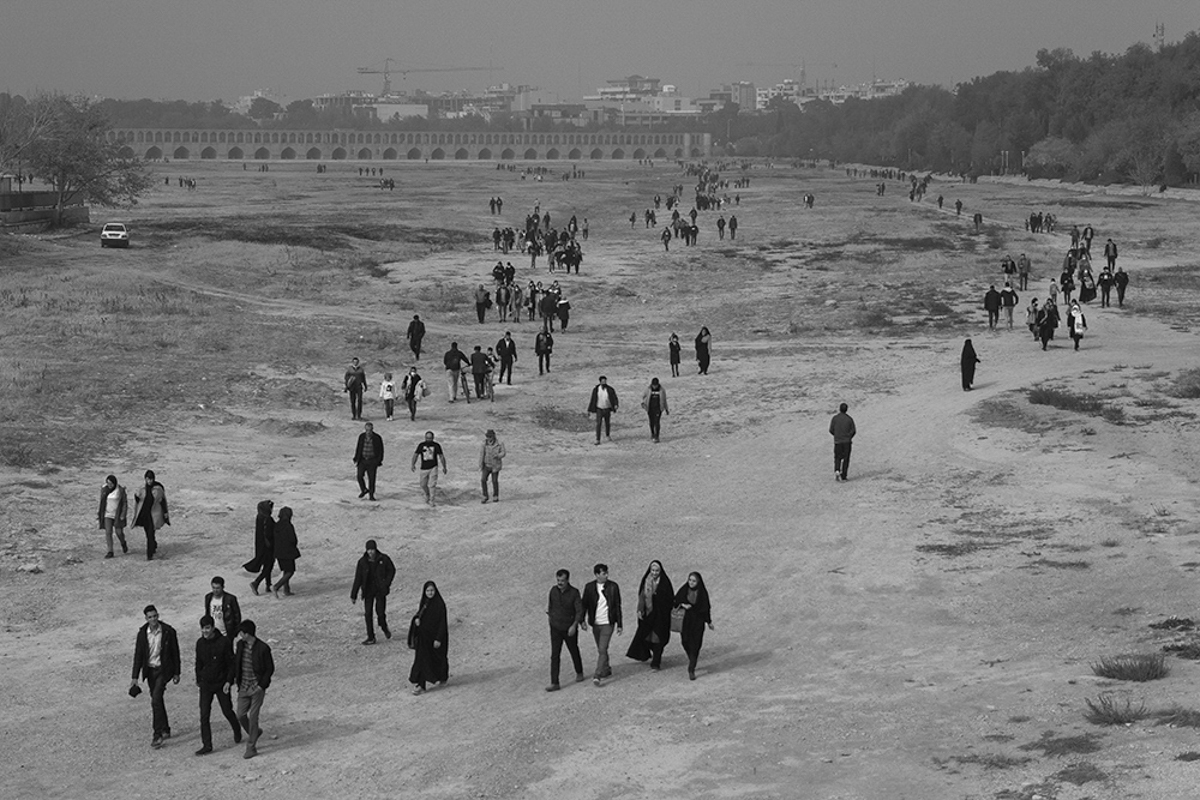
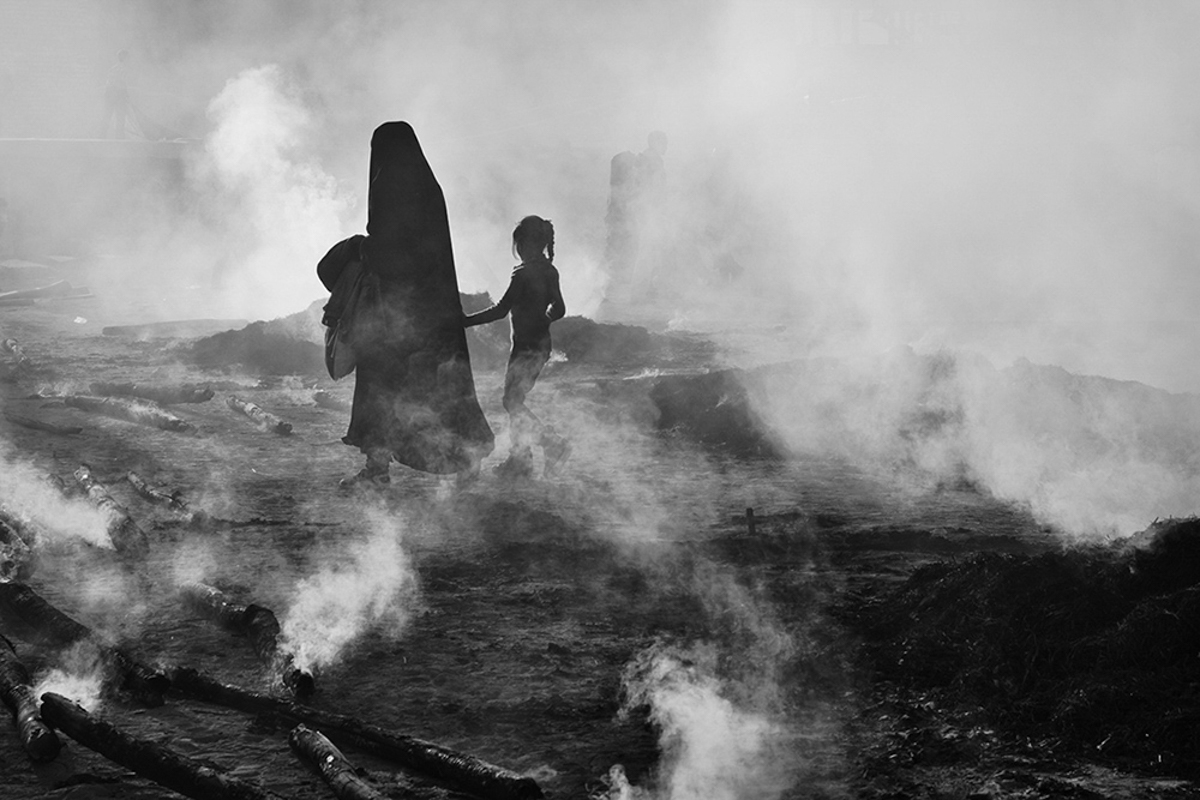
Peace, injustice, violence. These themes have always mattered to me. Recently, I worked on one of the most important and dangerous projects of my life: documenting the days and nights of Israel’s missile attacks on Iran. These moments needed to be recorded, seen, and shared. I did everything I could to make sure they were captured, so that at the very least, future generations can witness what happened.
What was your first reaction when you found out you won a NIPA award?
When I saw the news, I was really happy and naturally expected even more success. But it felt great just to see my photo featured on the festival’s page, it gave me such a good feeling and definitely helped my work get more visibility.
What are your upcoming projects or dreams for the future?
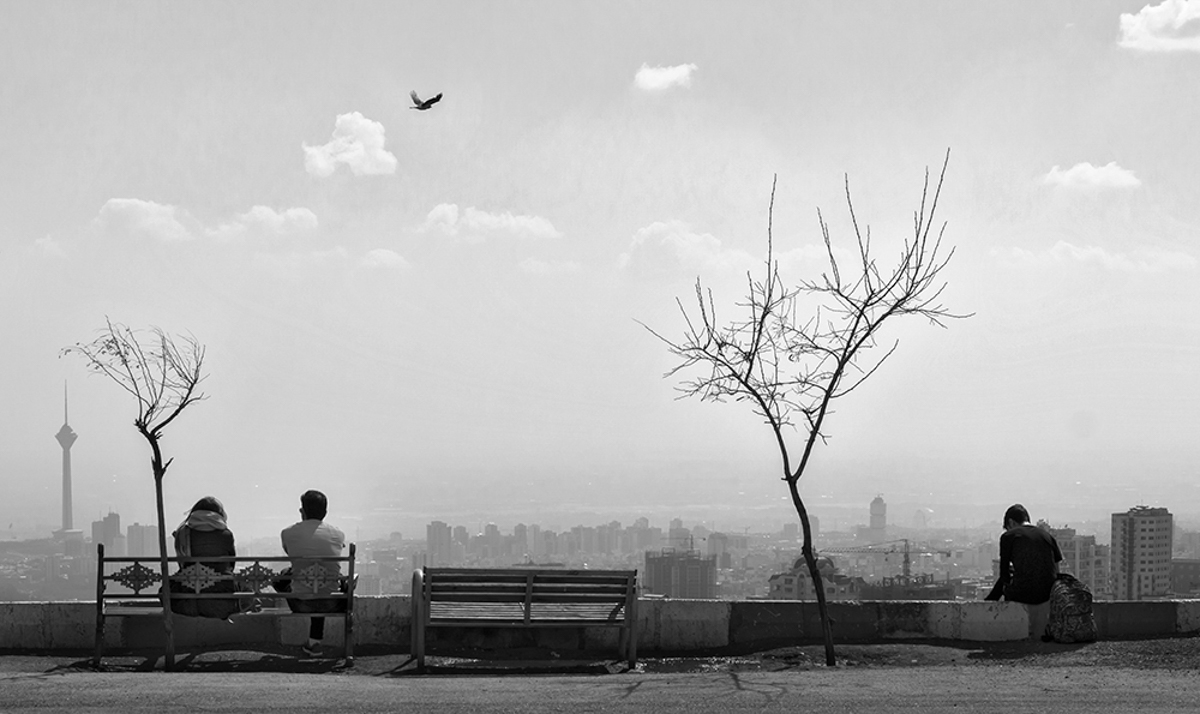
Generally, I don’t talk much about my projects beforehand, but if I had to mention, it’s definitely about my country, Iran and maybe the city I’ve been living in for the past two years, Tehran.
What are your thoughts on NIPA, and is there any suggestion or idea you’d like to share to help us make it even better in the future?
I know the founder of this festival really well, and I can see how determined they are to reach their goals and how much effort they put in. So I’m sure a bright future awaits NIPA. My only suggestion would be to involve more recognized judges from Iran and Dubai, it could help attract a larger audience from both countries.
For me, photography is a truly amazing medium. What else but photography can shift the way we see the world, even the…
Images from the Photographer

Sorry, the comment form is closed at this time.