
31 May Interview: Ahmad Kousa
NIPA 2026 Interview
Ahmad Kousa
Photographer
Ahmad Kousa – Personal Statement
I am Ahmad Kousa from Amuda, a small town in northern Syria. I am 26 years old. I studied civil engineering in Syria but did not graduate, as I was studying in Al-Hasakah when the war changed everything.
My journey with…
NIPA Featured Artist
About the Artist
A conversation with Ahmad Kousa.
Ahmad Kousa – Personal Statement
I am Ahmad Kousa from Amuda, a small town in northern Syria. I am 26 years old. I studied civil engineering in Syria but did not graduate, as I was studying in Al-Hasakah when the war changed everything.
My journey with…
The Interview
This NIPA feature brings together the artist’s reflections, selected works, and visual material in a long-form interview format.
Can you tell us about your journey into photography?
Ahmad Kousa – Personal Statement
I am Ahmad Kousa from Amuda, a small town in northern Syria. I am 26 years old. I studied civil engineering in Syria but did not graduate, as I was studying in Al-Hasakah when the war changed everything.
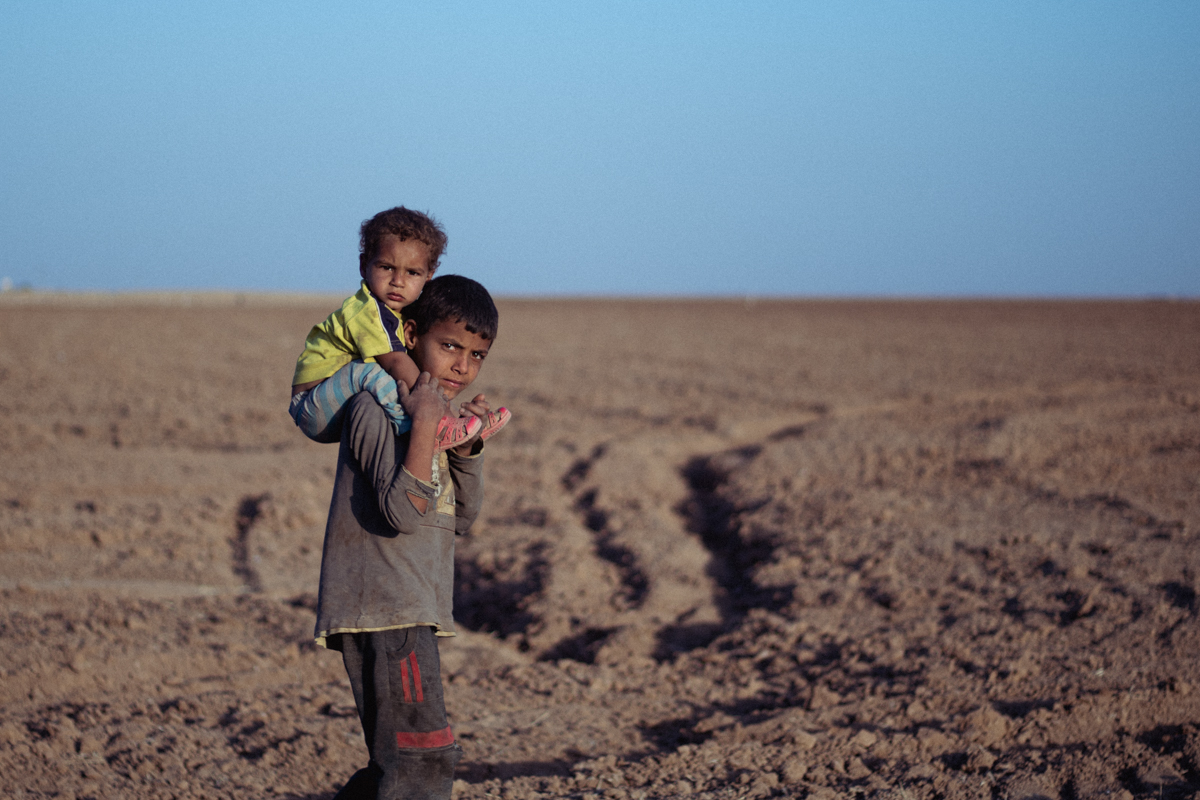
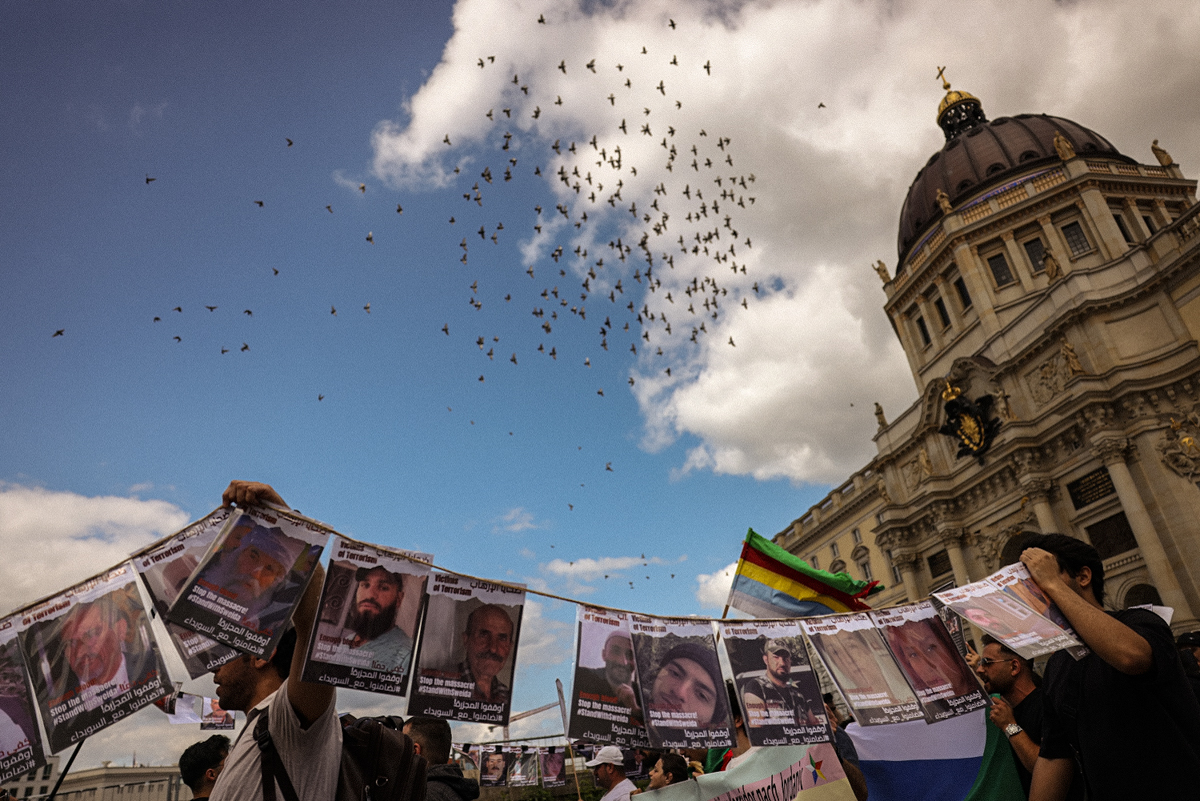
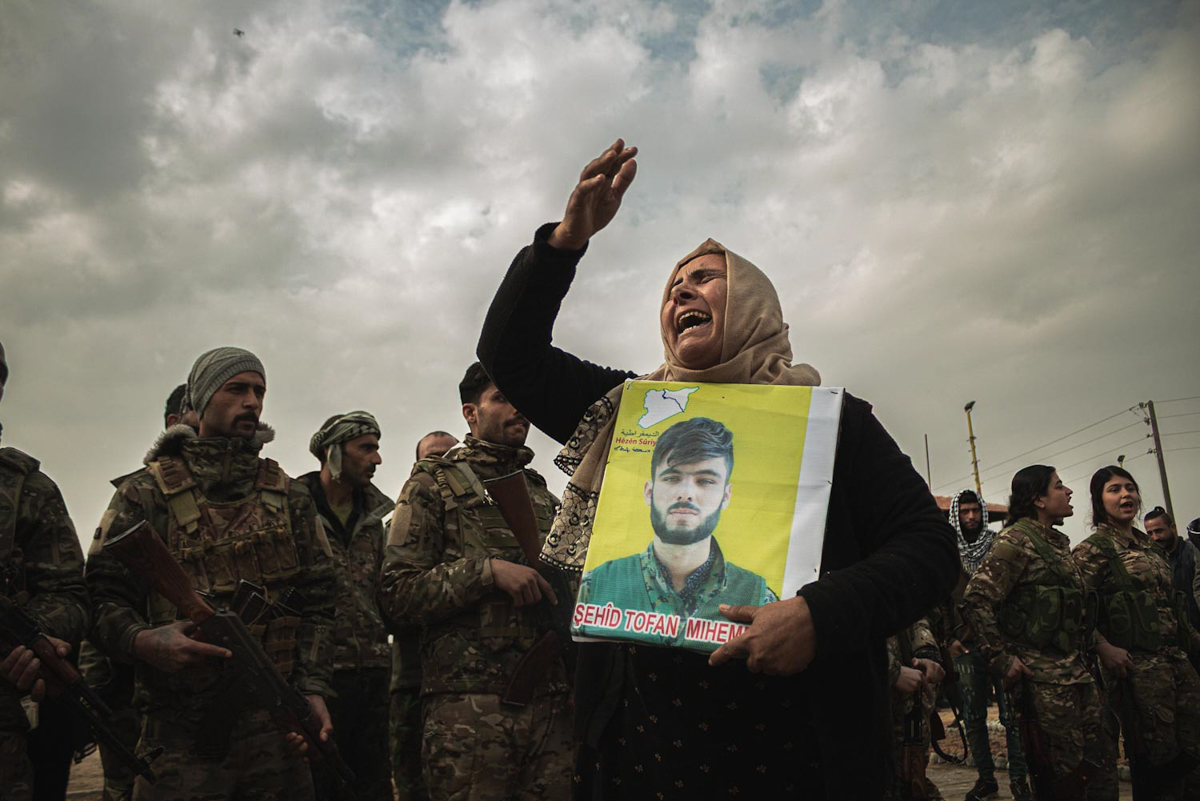
My journey with photography began during the years of war in Syria, when I saw Syrian children being treated as adults—working all day for 200 Syrian pounds, less than one dollar, just to survive. Those scenes weighed heavily on my heart and sparked in me a deep desire to express what I saw and felt.
I didn’t know why I chose photography specifically, but now I realize that the camera has always been part of my life. It was never absent from our home when I was a child; my parents and sisters photographed me passionately at every moment. Perhaps that’s where it all began—from that small lens that captured my earliest memories, my journey started to capture the pain and dreams of others as well.
What inspires me in photography is life itself—in all its beauty and pain, its beginnings and endings. Maybe my own life is my first source of inspiration; every experience I go through, every hardship I face, gives me a reason to pick up my camera again and see the world from a new angle. I find in pain a force that pushes me toward beauty, and in struggle a reason to document truth with passion.
Before leaving Syria, I said something to the children in the informal refugee camps—words that still live inside me. They believed I could change something in this world through my photography, and I told them:“I’m going somewhere else, because there are others who need me too.”That moment became a turning point in my journey. Their faith in me and in my photographs gave me a new meaning to my art—it reminded me that I am not only an artist, but also a human being carrying a message. Those children taught me that a photograph can be a voice, and that a lens can create an impact that lasts longer than life itself.
As for my photographic style, honestly, no one—not even me—can fully describe it. It’s not a defined style, but rather an emotional and intellectual state that changes with every story and every person I photograph. If I had to describe it in one word, it would be Contrast—because in every image, I search for the tension between light and shadow, between pain and hope, between what we see and what we try to hide.
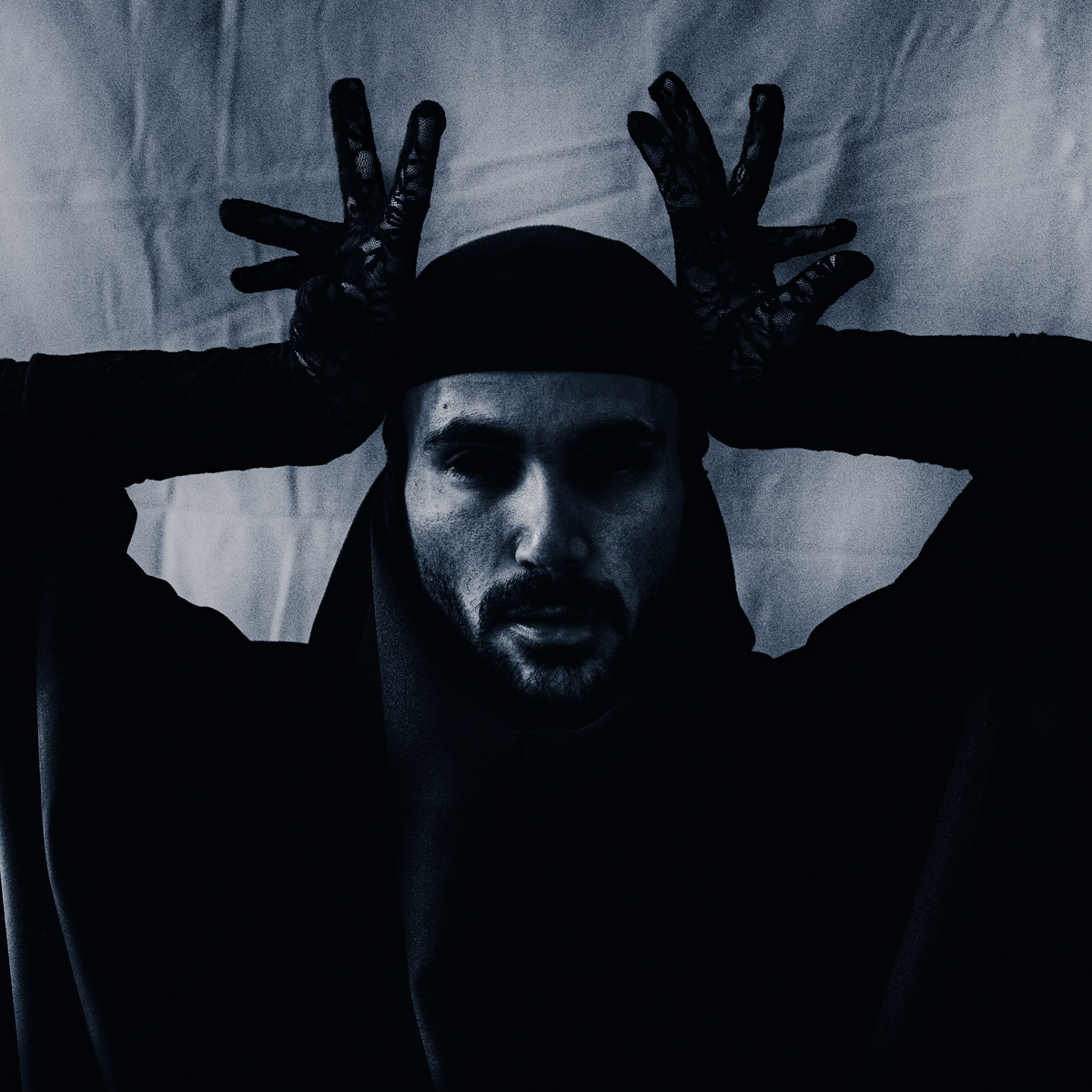
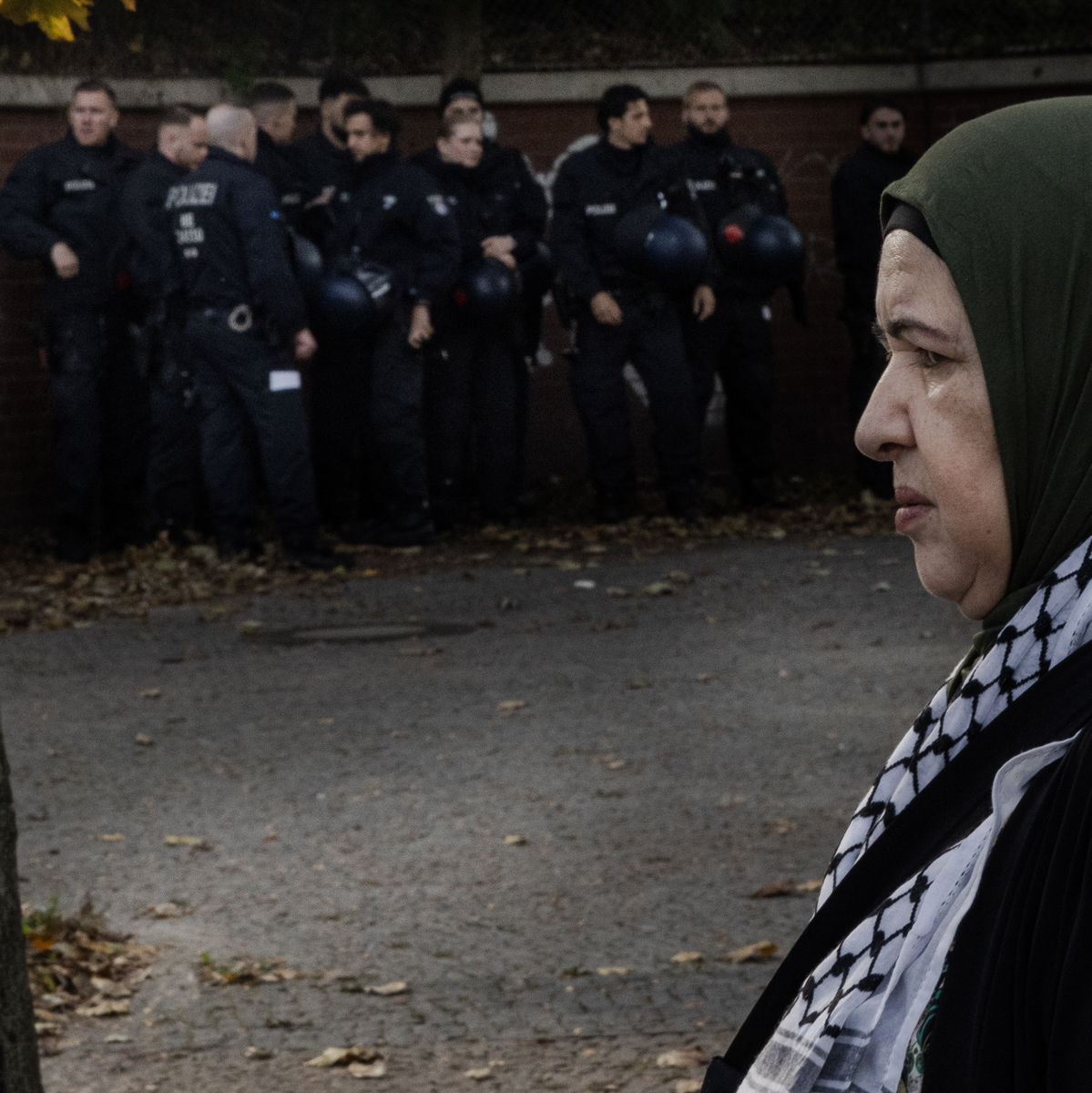
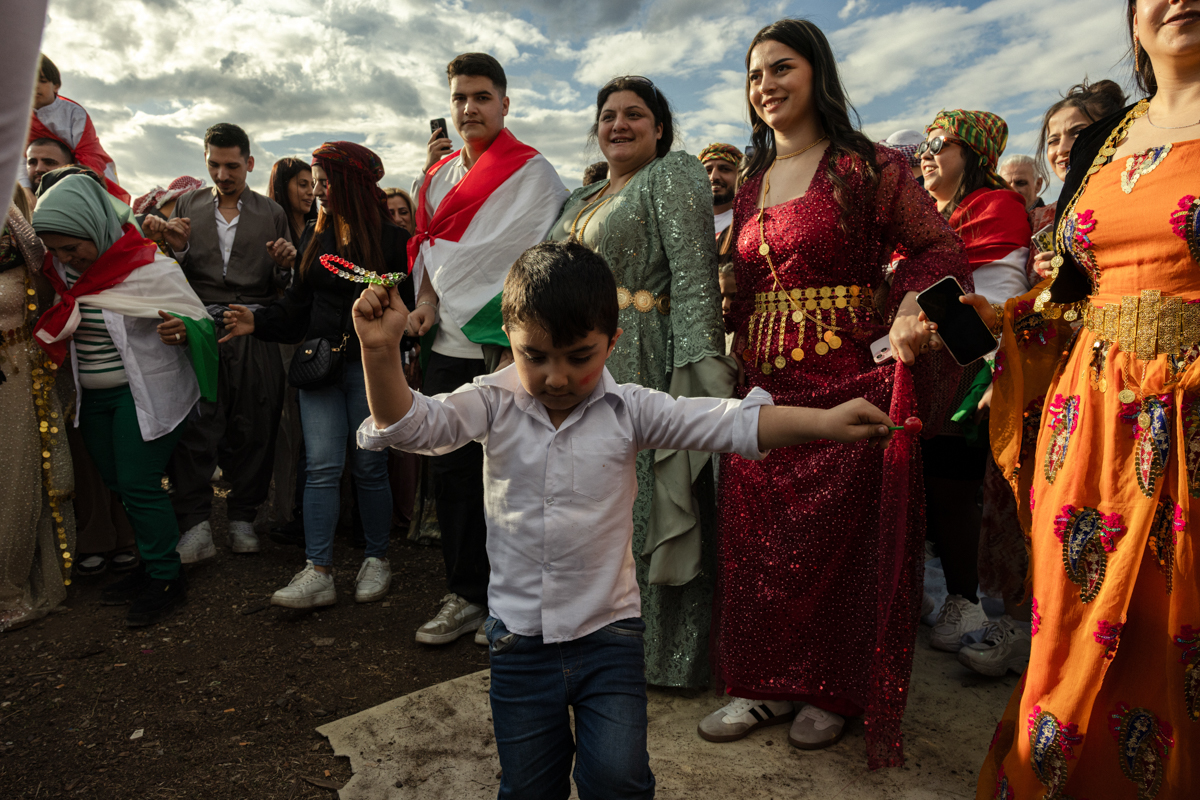
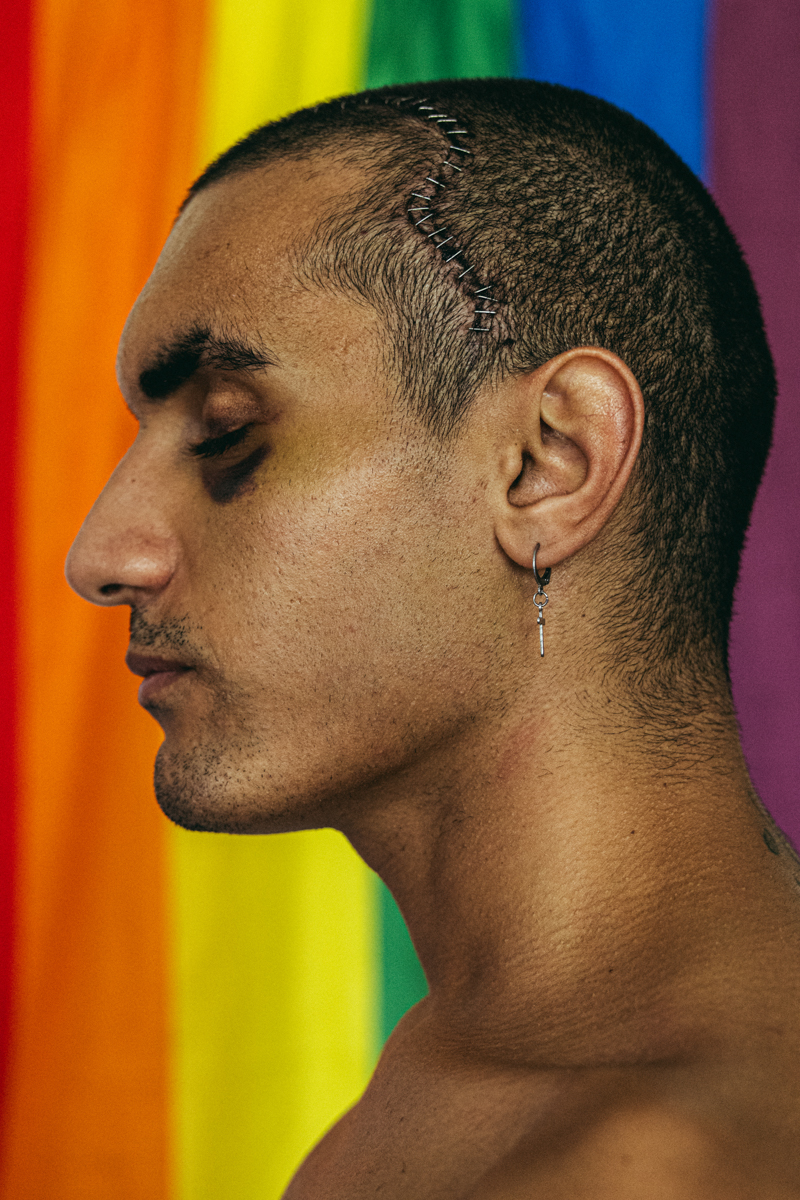
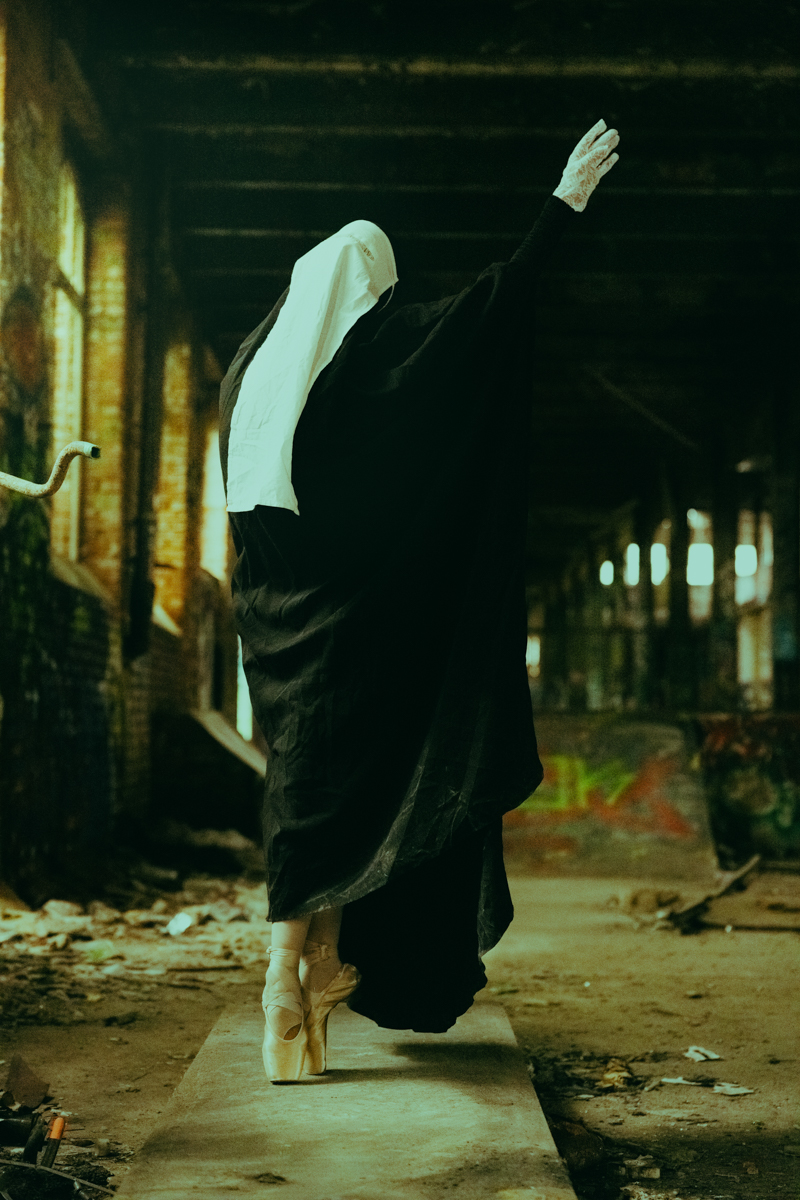
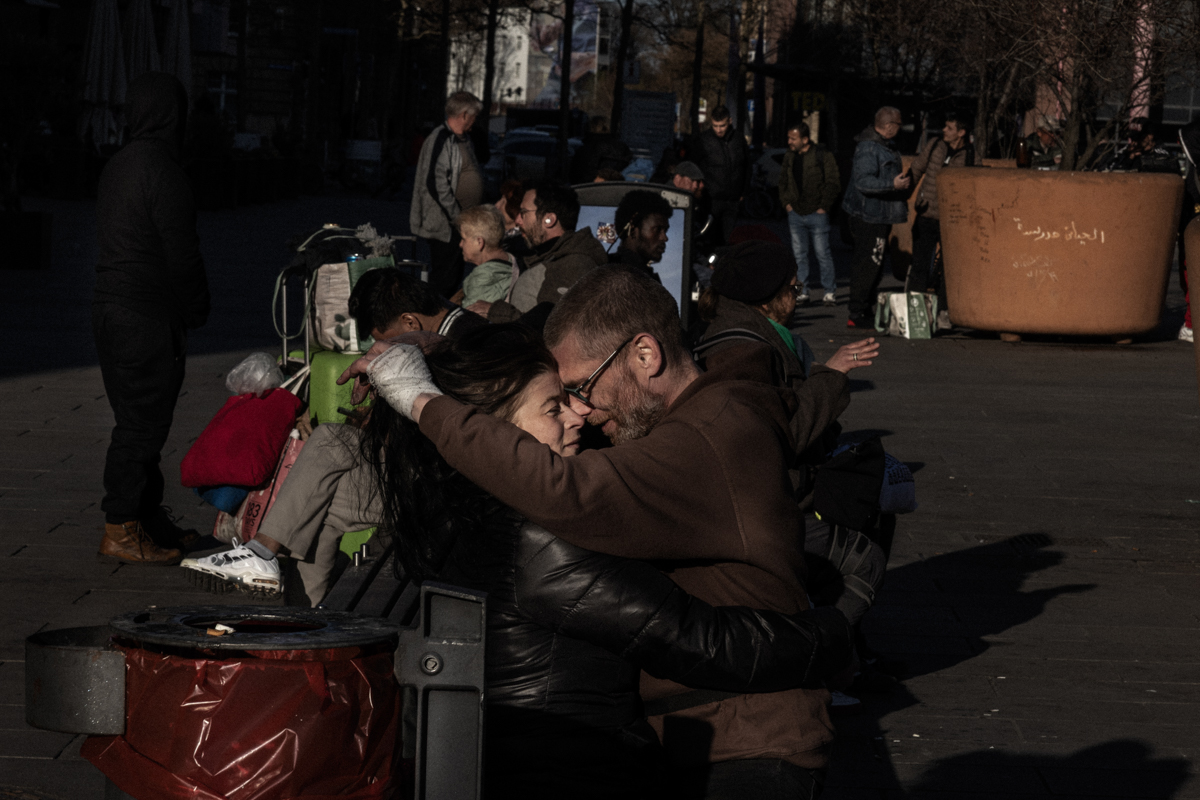
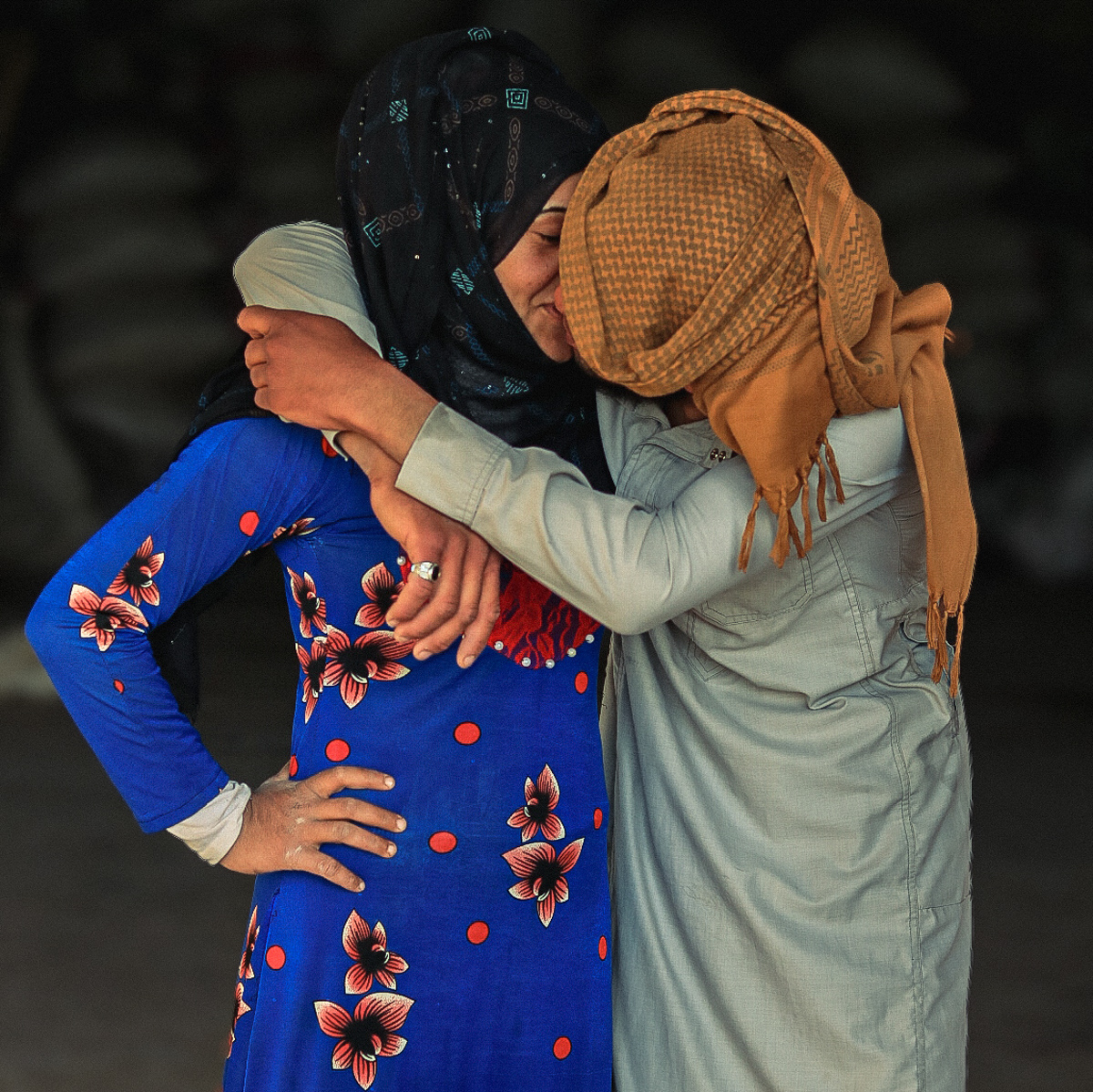
In my work, I defend human rights, regardless of identity or background. My photography has explored diverse and sensitive topics—from the human body, to trans and queer identity, to women behind the veil, and to people trapped within society’s judgment. Each subject carries its own soul, but they all belong to one message: human dignity.
The evolution of my style in Germany was not just an artistic shift—it was a step toward universality, toward a broader space where I could tell more stories and reach more hearts, without losing the essence of my message: defending the human being and their right to simply exist as they are.
I know that some—even my father—have said: “You’re not the one who should defend them.”But I believe that silence is complicity, and that photography can be a voice for those who have none. Because if we don’t stand up for others, we lose something essential about our own humanity.
My artistic vision was shaped between the pain of war in Syria and the freedom of expression I found in Germany. From Syria, I learned that an image can be an act of resistance; from Germany, I learned that it can also be a space of freedom. That balance—between pain and hope, between past and future—is what defines how I see the world through my lens today.
It’s not easy to describe my relationship with my camera. I struggled a lot to own it, and maybe that’s why it became a part of me—it never leaves my side. I love it deeply and care for it the way my mother worries about me. Even the first camera I ever used is still with me today—I brought it all the way from Syria to Germany. It’s like a piece of home, a memory from the beginning that started it all.
It’s not just a tool; it’s a living memory that accompanies me, witnessing every moment I’ve lived and every photograph that has changed me.
The story behind the winning photograph began with a photography competition about Alzheimer’s disease. I searched for months for a couple who could embody the story I wanted to tell. I asked friends, read a lot about the illness, and even made sketches—small drawings to practice capturing something invisible. I asked my sister, who is a doctor, how I could visually express the disease, and how a camera could capture what the eyes can’t see. I connected with people who had family members living with Alzheimer’s and drew inspiration from their stories. One of the winning photos was inspired by a young man’s story about his aunt, who used to sit on the stairs for hours when she was sad—just like she did when she was a child.
Before the shoot, I visited the couple and brought my sketches with me to show them my concept. They were amazed by my approach and how I tried to express the illness emotionally. I photographed them and entered the competition. I didn’t win at that time, but the experience was profound and meaningful.
During the photoshoot, I focused on the smallest details—facial expressions, slow movements, and the contrast between the present and memory. I tried to capture the inner stories lived by those affected and by the people around them. I used light, composition, and emotion to portray vulnerability, nostalgia, and hope all at once. I hope that whoever looks at these photos feels empathy and deep understanding—to realize that behind every face, there is a story worth telling.
What photography means to me
For me, photography is the mirror of humanity. Through it, we can understand a part of the artist’s soul—and others can understand mine through my photographs. Photography is not just an art form; it is a message, a way to communicate truth as I see and feel it. It is my way of telling what lives inside me and revealing what deserves to be seen in the world around us.
My message through my work
After nine years of photography, and through my experience as a Kurdish person who lived in Syria and now lives in Germany, my message to the world is simple and clear:
The earth is vast enough to hold us all. My message is a call for acceptance, for tolerance, and for seeing the human being before anything else.
My reaction to winning the NIPA Award
I felt immense happiness and pride—it was a beautiful surprise that made me believe even more in what I do.
My upcoming projects and future dreams
I am currently working on a project called “Light of Freedom,” which explores the concept of the veil in all its forms. I’ve been developing it for about a year now—drawing every image, planning every frame with care—yet the biggest challenge is finding people willing to participate, as many are afraid of the project’s bold and political nature.
And my biggest dreams? Everyone already knows them!To one day become a photographer for a global agency like TIME or Reuters.My dreams always whisper to me:“Take your camera, go, and don’t be afraid… even if people are a little afraid of you!”
“
Photography is the mirror of humanity.”.
Images from the Photographer

Sorry, the comment form is closed at this time.